1-3 High Blood Glucose Levels: A Step-by-Step Quick Guide
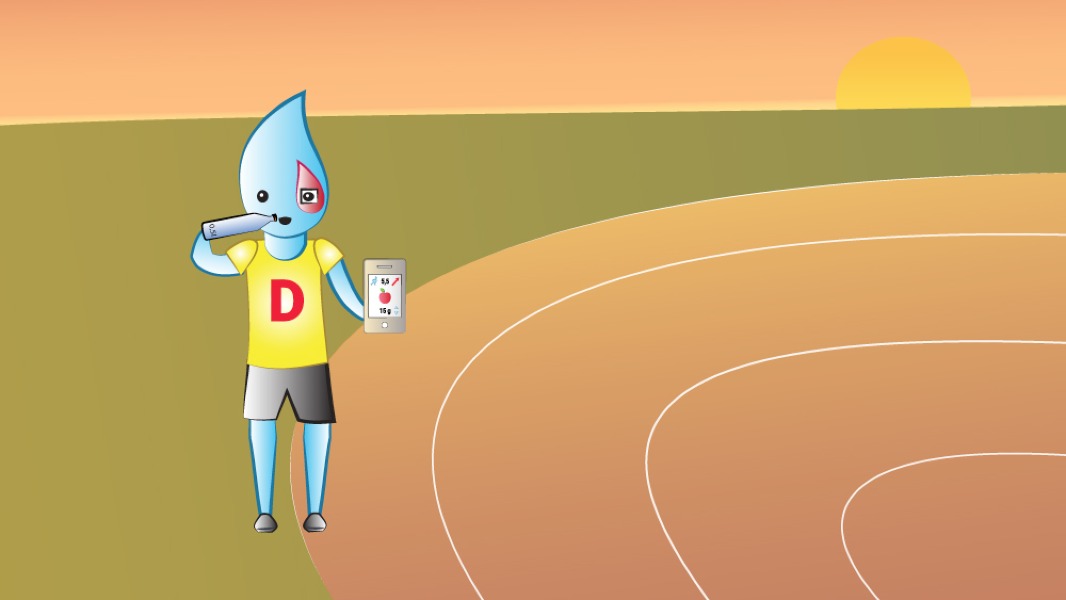
Safe actions to control high blood sugar during sport and daily activity
Hyperglycaemia, or high blood sugar, can occur before, during, or after physical activity due to missed insulin doses, stress hormones, dehydration, or equipment problems. Knowing how to respond quickly and correctly helps prevent complications and supports safe participation in sports and everyday life. This guide explains how to recognise high blood glucose and manage it effectively.
Understanding High Blood Glucose
High blood glucose occurs when blood sugar levels rise above the recommended target range. Levels above 10 mmol/L (180 mg/dL) require attention, while values above 14 mmol/L (250 mg/dL) may impair performance and increase health risks.
Common causes include insufficient insulin, intense physical or emotional stress, dehydration, illness, and technical problems with insulin delivery devices.
If ketones are present, the risk of serious complications increases. Having a clear and structured management routine supports better glucose control.
Five Steps to Manage High Blood Glucose
1. Test and Pause
If symptoms such as thirst, blurred vision, fatigue, or muscle cramps occur, stop activity and check blood glucose using a meter or CGM.
2. Hydrate
Drink 300–500 ml of water slowly. Adequate hydration helps reduce glucose concentration and supports kidney function.
3. Check Ketones
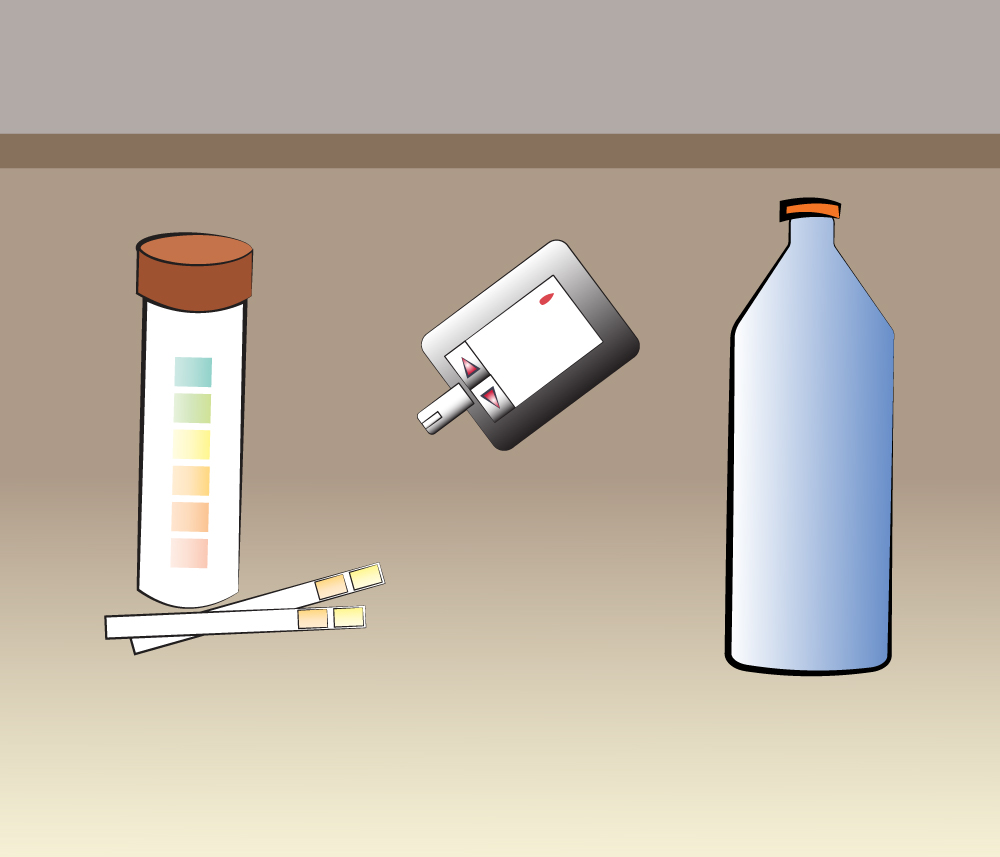
If blood glucose is above 14 mmol/L, measure ketones using blood or urine tests.
- Negative or trace ketones: Continue to Step 4.
- Moderate or high ketones: Stop exercise, hydrate, follow sick-day rules, and contact a healthcare provider if symptoms persist.
4. Correct With Insulin
Use your usual correction factor. If physical activity is planned, consider a slightly reduced dose to avoid hypoglycaemia. Pump users may benefit from a manual bolus rather than increasing basal rates.
5. Recheck Regularly
Monitor blood glucose every 30–60 minutes until levels return to 7–10 mmol/L (126–180 mg/dL). Continue hydration and resume moderate activity only when values are stable and ketones are negative.
Red Flag Symptoms
Symptoms such as severe thirst, abdominal pain, nausea, fruity-smelling breath, deep breathing, or persistent fatigue may indicate ketone buildup. In such cases:
- Stop activity immediately
- Check glucose and ketones
- Take correction insulin
- Seek medical help if symptoms do not improve
Sport Bag Checklist for Highs
- Glucose meter and ketone strips
- Large water bottle
- Spare insulin pen or pump supplies
- Syringe for emergency use if pump fails
- Electrolyte tablets (for use once glucose levels stabilise)
Pro-Tips:
- Check glucose before exercise and correct high levels in advance.
- Monitor more frequently during illness, stress, or altitude exposure.
- Increase fluid intake in hot environments.
- Allow at least two hours between correction doses to prevent insulin stacking.
With consistent monitoring and appropriate treatment, hyperglycaemia can be managed effectively without interrupting training or daily activities.
