
Low blood sugar can sneak up fast—especially if you no longer feel the early warning signs. Hypoglycaemia unawareness increases the risk of severe episodes, particularly during daily activities and physical exercise. Understanding why it happens and how to prevent it can help people with type 1 diabetes stay safe and confident.
What Is Hypoglycaemia Unawareness?
Hypoglycaemia unawareness occurs when a person with type 1 diabetes does not recognise the usual early symptoms of low blood sugar. Around one in four people with type 1 diabetes experience some degree of impaired awareness.
Normally, early symptoms of hypoglycaemia include shakiness, sweating, hunger, and anxiety. However, when awareness decreases, these signs appear later and at lower glucose levels. This increases the risk of severe hypoglycaemia.
Risk factors may include:
- Long duration of diabetes
- Very tight glucose targets (low HbA1c)
- Frequent hypoglycaemic episodes
- High glucose variability
- Intense physical activity
- Alcohol consumption, especially on an empty stomach
Why It Matters
Studies show that up to half of individuals who experience severe lows also have impaired awareness. When you can’t feel the drop, treating it in time becomes harder—turning a quick fix into a medical emergency.
How the Body Responds to Low Blood Sugar
Hypoglycaemia is defined as blood glucose below 3.9 mmol/L (70 mg/dL). The body naturally responds by releasing counterregulatory hormones such as glucagon and adrenaline. These hormones signal the liver to release stored glucose into the bloodstream.
Adrenaline also triggers typical warning symptoms like trembling and rapid heartbeat.
When Awareness Fades
After repeated episodes of low blood sugar, the brain adapts to functioning at lower glucose levels. As a result, symptoms start later—sometimes at 3.0 mmol/L instead of 3.5 mmol/L. The point at which you could pass out doesn’t shift, so the margin for error shrinks.
RedFlag Symptoms & Immediate Actions
- Mild to moderate symptoms (treat immediately):
- Shaking
- Sweating
- Blurred vision
- Rapid heartbeat
- Severe symptoms (seek urgent help):
- Confusion
- Slurred speech
- Seizures
- Loss of consciousness
Five Proactive Strategies
Managing hypoglycaemia unawareness requires proactive diabetes care:
- Frequent glucose monitoring – Use a continuous glucose monitor (CGM) with alerts or check levels more often, especially before and after exercise or overnight.
- Identify patterns – Review glucose trends to understand triggers such as missed meals, extra activity, stress, or alcohol.
- Adjust insulin and targets – Work with a healthcare provider to modify insulin doses or temporarily relax very tight glucose targets.
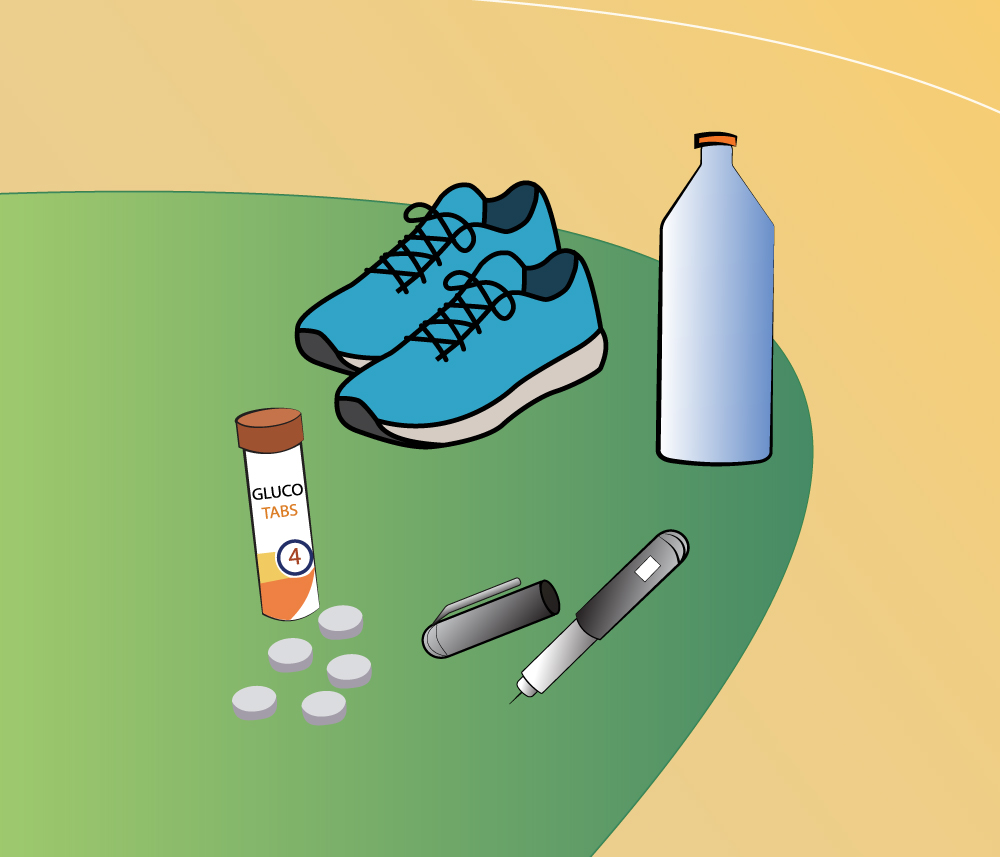
- Carry fast-acting carbohydrates and glucagon – Always have glucose tablets, juice, or gel available. Ensure family, friends, or teammates know how to use glucagon if needed.
- Use diabetes technology – Insulin pumps with predictive low-glucose suspend and smart insulin pens can help reduce hypoglycaemia risk.
Tip: Avoiding low blood sugar episodes for several weeks can often improve awareness and restore early warning symptoms.
Exercise & Alcohol Extras
Intense physical activity increases insulin sensitivity for up to 24 hours. This may raise the risk of delayed hypoglycaemia, especially overnight. Extra monitoring and a balanced bedtime snack containing carbohydrates and protein may help.
Alcohol can block the liver’s ability to release glucose. If alcohol is consumed, it should be combined with carbohydrates and followed by careful overnight glucose monitoring.
With proper education and planning, hypoglycaemia unawareness can be managed effectively, supporting safe physical activity and everyday life with diabetes.
