3-5-2 Exercise in High Heat and Humidity With Type 1 Diabetes
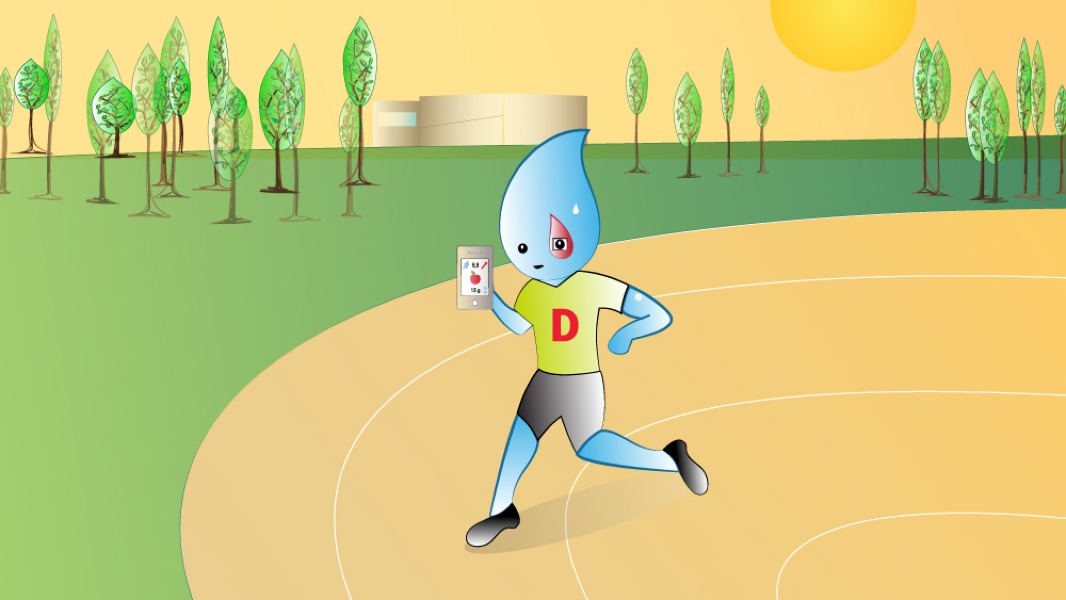
How to manage hydration, insulin, and blood glucose in hot weather
Hot and humid conditions can significantly affect blood glucose levels and insulin action in people with type 1 diabetes. Increased sweating, dehydration, and faster insulin absorption may raise the risk of hypoglycaemia and hyperglycaemia. This guide explains how heat and humidity influence diabetes management and provides practical strategies to support safe physical activity in warm environments.
How Heat Affects the Body and Blood Glucose
Exercising in hot weather increases body temperature and activates cooling mechanisms such as sweating and skin blood vessel dilation. These responses lead to higher fluid loss and changes in insulin absorption.
People with diabetes and adults over 40 may have reduced heat tolerance, increasing dehydration risk. When blood glucose is elevated, fluid loss through urination further worsens dehydration.
Blood glucose levels above 10 mmol/L are associated with higher dehydration risk and reduced exercise tolerance.
Hydration needs depend on:
- Exercise intensity
- Duration
- Pre-exercise glucose levels
- Environmental temperature and humidity
To prevent dehydration, regular fluid intake is essential. During moderate activity, approximately 300 ml every 15 minutes may replace most sweat losses.
For prolonged exercise, drinks containing carbohydrates and electrolytes may help maintain energy levels and reduce hypoglycaemia risk.
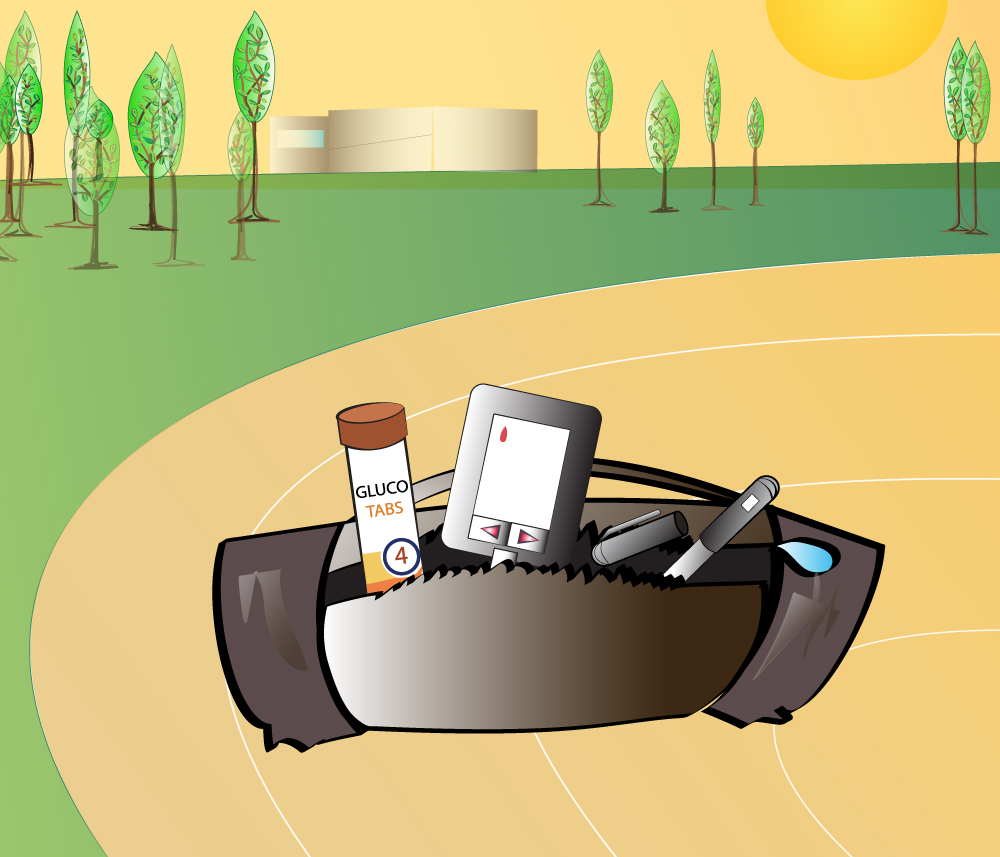
Hydration and Electrolyte Balance
Excessive water intake without sodium replacement can lead to exercise-induced hyponatraemia, characterised by weakness, dizziness, headache, and nausea.
Maintaining balanced hydration includes:
- Drinking fluids regularly
- Consuming carbohydrates when appropriate
- Replacing electrolytes during long sessions
Dehydration concentrates blood glucose and reduces kidney glucose excretion. This may require careful insulin adjustment under medical guidance.
Insulin should always be protected from heat, as high temperatures can reduce its effectiveness.
Urine colour can be used as a simple indicator of hydration status.
Choosing Appropriate Fluids
The best hydration choices include:
- Water
- Unsweetened, caffeine-free herbal or fruit teas
Isotonic drinks may be useful during prolonged training but should be used carefully due to sugar and salt content.
Avoid for routine hydration:
- Caffeinated drinks
- Soft drinks
- Fruit juices
- Energy drinks
- Alcohol
Heat, Insulin, and Glucose Regulation
Heat and physical activity both increase blood flow, which accelerates insulin absorption, especially when injections are given near active muscles. This may increase hypoglycaemia risk.
Heat-related symptoms may resemble low blood sugar and include:
- Dizziness
- Tremor
- Blurred vision
- Excessive sweating
- Weakness
- Anxiety
Frequent glucose monitoring is therefore essential in hot environments.
Humidity and Heat Stress
High humidity reduces sweat evaporation and limits the body’s ability to cool itself. This increases heat strain and dehydration risk.
For example:
- 33°C with low humidity may be tolerable
- 29°C with high humidity may be dangerous
Checking heat index values before outdoor activity is recommended.
With careful hydration, temperature-protected insulin, frequent monitoring, and appropriate activity adjustments, people with type 1 diabetes can exercise safely in hot and humid conditions.
