4-5 Recovering After Sport With Type 1 Diabetes
How to stabilise blood glucose, refuel, and prevent delayed hypoglycaemia
Recovery after physical activity is an essential part of diabetes management. Exercise affects insulin sensitivity and glucose use for several hours, increasing the risk of delayed hypoglycaemia and fatigue. This guide explains how to monitor blood glucose, support recovery with proper nutrition and hydration, and adjust insulin safely after sport.
Why Post-Exercise Recovery Matters
Physical activity offers many health benefits for people with type 1 diabetes, but glucose levels may fluctuate after training or competition. These changes depend on exercise intensity, duration, time of day, and individual metabolism.
Additional factors such as illness, stress, and sleep quality can further influence recovery. Learning how your body responds helps improve long-term glucose stability and performance.
Monitoring Blood Glucose After Exercise
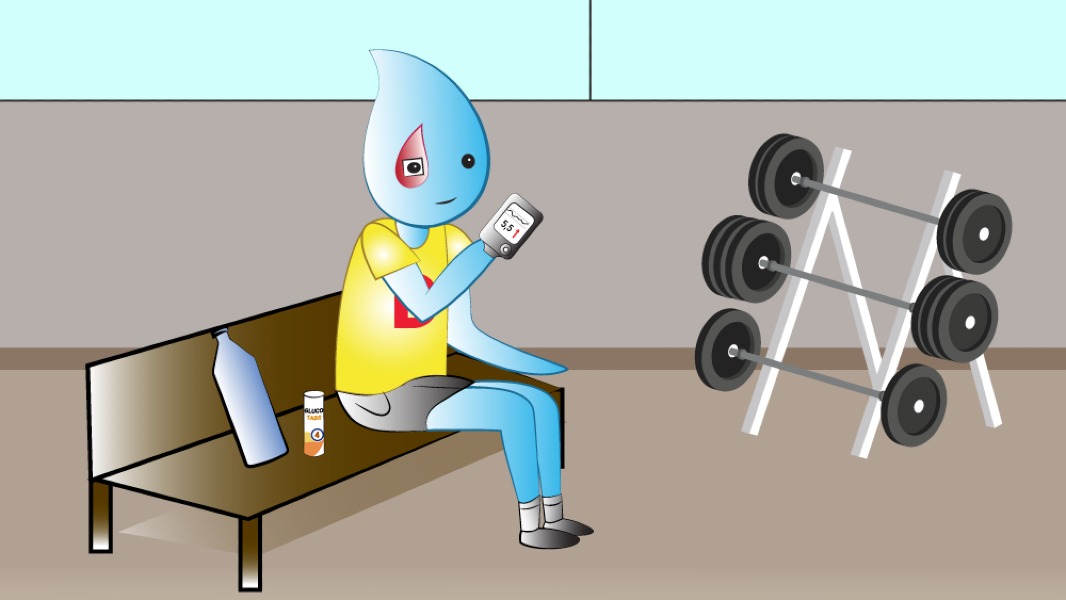
- Check glucose levels immediately after finishing activity using a CGM or glucose meter.
- If below 4 mmol/L (70 mg/dL), treat with 15 g of fast-acting carbohydrates and recheck after 15 minutes.
- If above 14 mmol/L (250 mg/dL), hydrate and check ketones. Follow medical guidance if needed.
- If levels are stable, continue with recovery routines and recheck later.
Understanding Delayed Hypoglycaemia
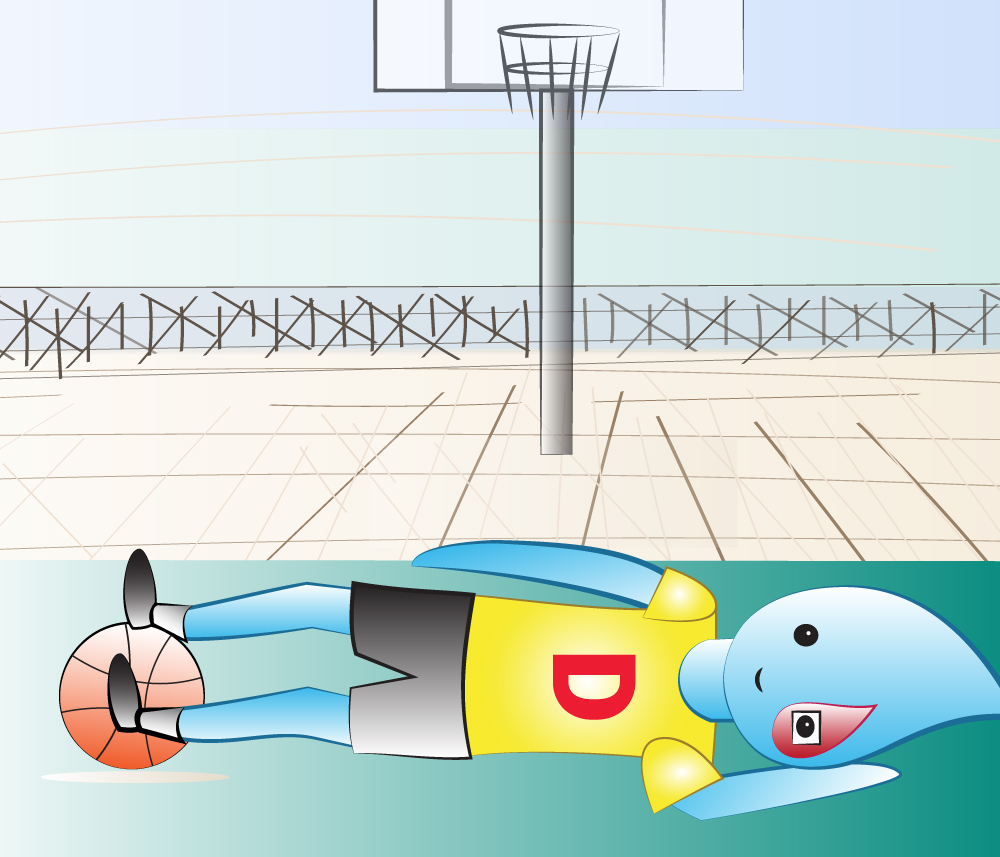
Blood glucose may decrease several hours after exercise, particularly following intense or evening sessions. Increased insulin sensitivity and ongoing muscle glucose use contribute to this effect.
Symptoms such as dizziness, sweating, or weakness may appear later, making continued monitoring important.
Refuelling for Recovery
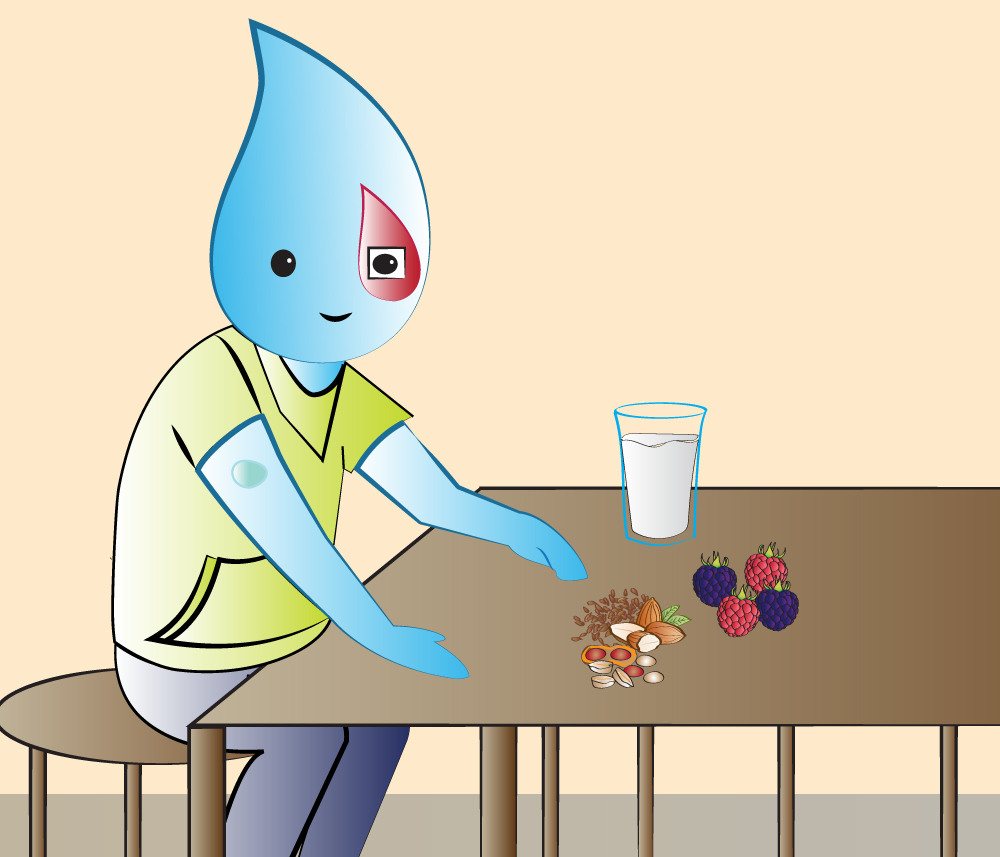
Balanced nutrition supports muscle repair and glucose stability. Post-exercise meals should include:
- Complex carbohydrates
- High-quality protein
- Healthy fats
Examples include whole-grain toast with nut butter and fruit, grilled chicken with quinoa and vegetables, or Greek yogurt with berries and nuts.
Regular hydration is essential! Electrolyte drinks may be helpful after long or hot training sessions.
Adjusting Insulin After Activity
- Because insulin sensitivity increases after exercise:
- Post-workout bolus doses may need reduction.
- Pump users may benefit from temporary basal reduction.
- Frequent overnight hypoglycaemia should be discussed with a healthcare professional.
- Individual adjustment plans improve safety and consistency.
Overnight Monitoring and Safety
- After evening exercise, checking glucose before sleep is particularly important.
- If levels are trending downward, consider a snack combining carbohydrates and protein, such as fruit with cheese, whole-grain crackers with hummus, or a protein smoothie.
- CGM alerts provide additional overnight safety.
Rest and Long-Term Recovery
Adequate sleep (7–9 hours per night) supports glucose regulation, muscle recovery, and overall wellbeing. Rest is an essential part of sustainable training.
With consistent monitoring, appropriate nutrition, and thoughtful insulin adjustments, people with type 1 diabetes can recover effectively and prepare confidently for future activity.
