2-3-1 What is Hypo and How to Manage It?
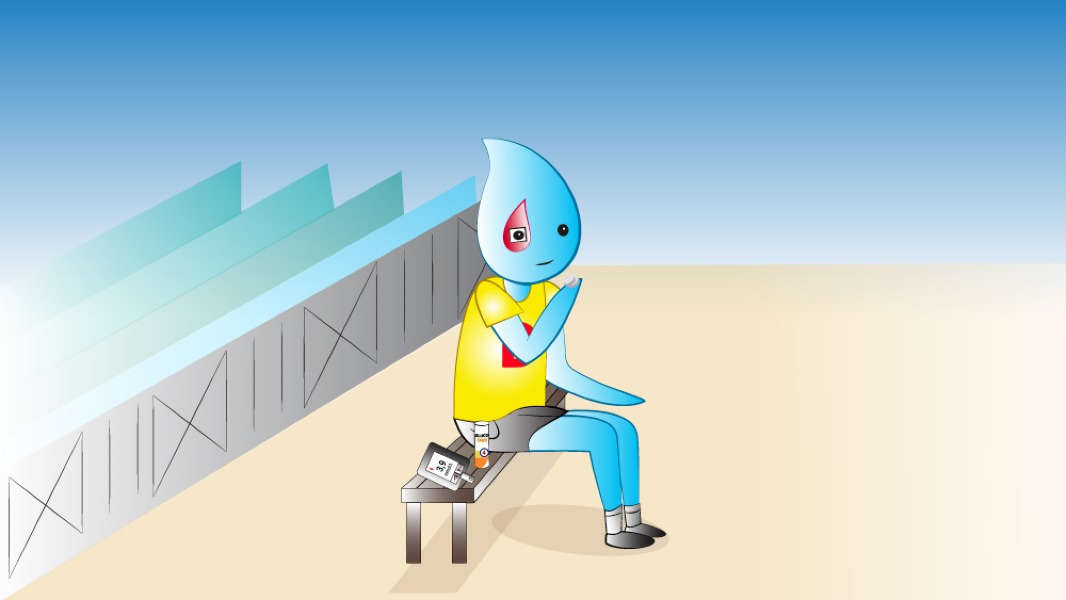
Recognising low blood sugar and staying safe during physical activity
Low blood sugar, also known as hypoglycaemia, is a common challenge for people with diabetes, especially during and after physical activity. Understanding the symptoms and knowing how to respond can help prevent emergencies and support safe, confident participation in sports and daily exercise.
Understanding Hypoglycaemia in Diabetes
Hypoglycaemia occurs when blood glucose levels fall below 3.9 mmol/L (70 mg/dL). It can happen during exercise, immediately after activity, or several hours later. These drops may be influenced by insulin doses, food intake, and the intensity or duration of physical activity.
Common early symptoms include sweating, shaking, hunger, and difficulty concentrating. In more severe cases, blurred vision, confusion, or fainting may occur. Proper planning, such as adjusting insulin, eating balanced meals, and carrying fast-acting carbohydrates, plays an important role in prevention.
Learning to recognise personal warning signs and responding quickly helps reduce the risk of serious complications and supports better athletic performance.
How to Treat and Prevent Low Blood Sugar
Recognising hypoglycaemia early is essential for safe exercise. Symptoms such as shaking, anxiety, rapid heartbeat, fatigue, or pale skin should never be ignored, as they can worsen quickly without treatment.
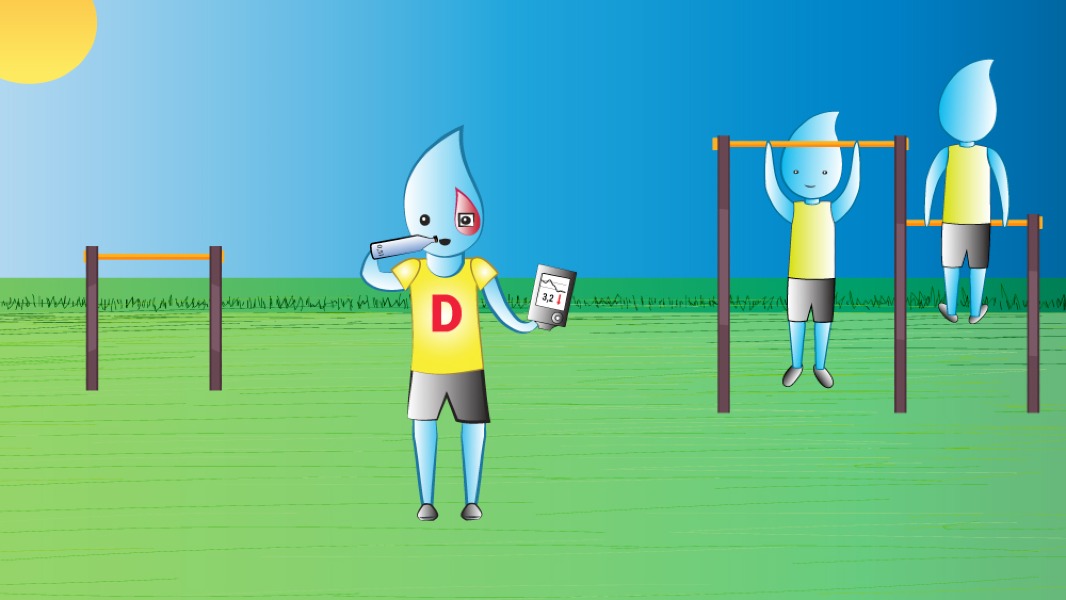
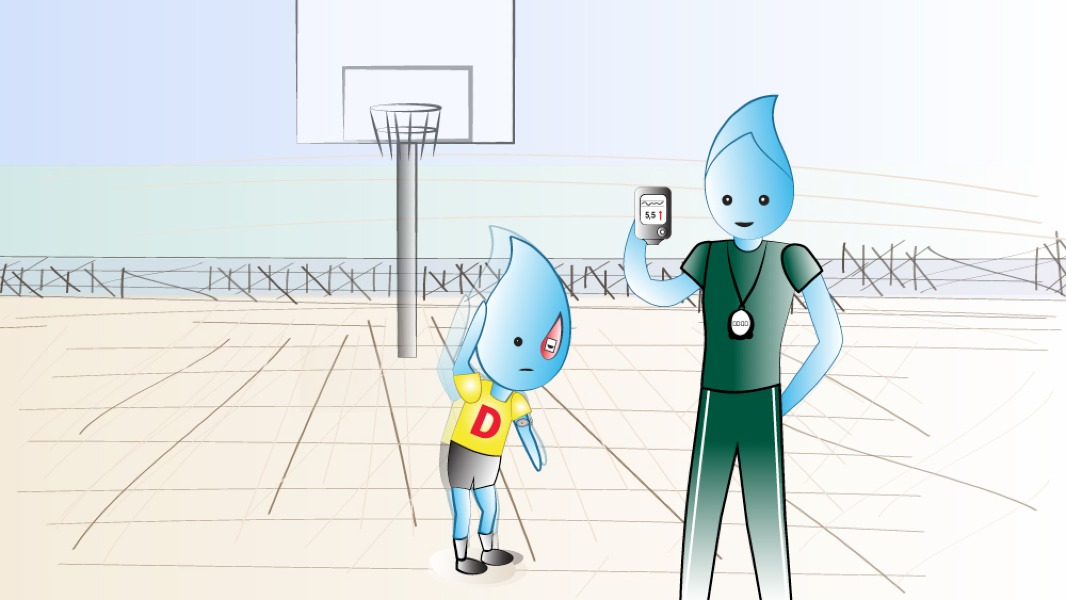
If low blood sugar is suspected, blood glucose should be checked immediately. When levels are low, physical activity should be stopped. The “15–15 rule” is recommended:
- consume 15 grams of fast-acting carbohydrates
- wait 15 minutes, and recheck glucose levels.
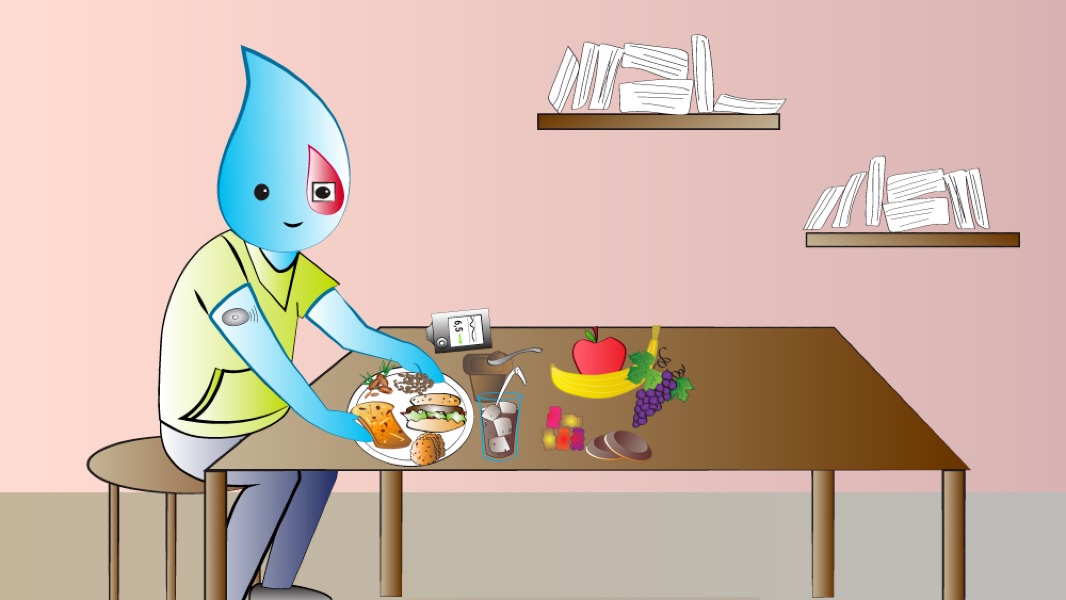
Suitable options include 200 ml of fruit juice, glucose tablets, or half a banana. The process should be repeated if levels remain low.
To reduce future risk, it is important to review recent glucose patterns and adjust exercise or insulin doses with medical guidance. Exercise should be avoided if a severe hypoglycaemic episode occurred within the previous 24 hours. Proper warm-ups and personalised training plans can further improve safety.
People with diabetes who are physically active should always carry an emergency kit with glucose sources and inform teammates, coaches, or family members about how to help if needed. Using continuous glucose monitors and mobile health apps can also support real-time tracking and better understanding of how exercise affects blood sugar levels.
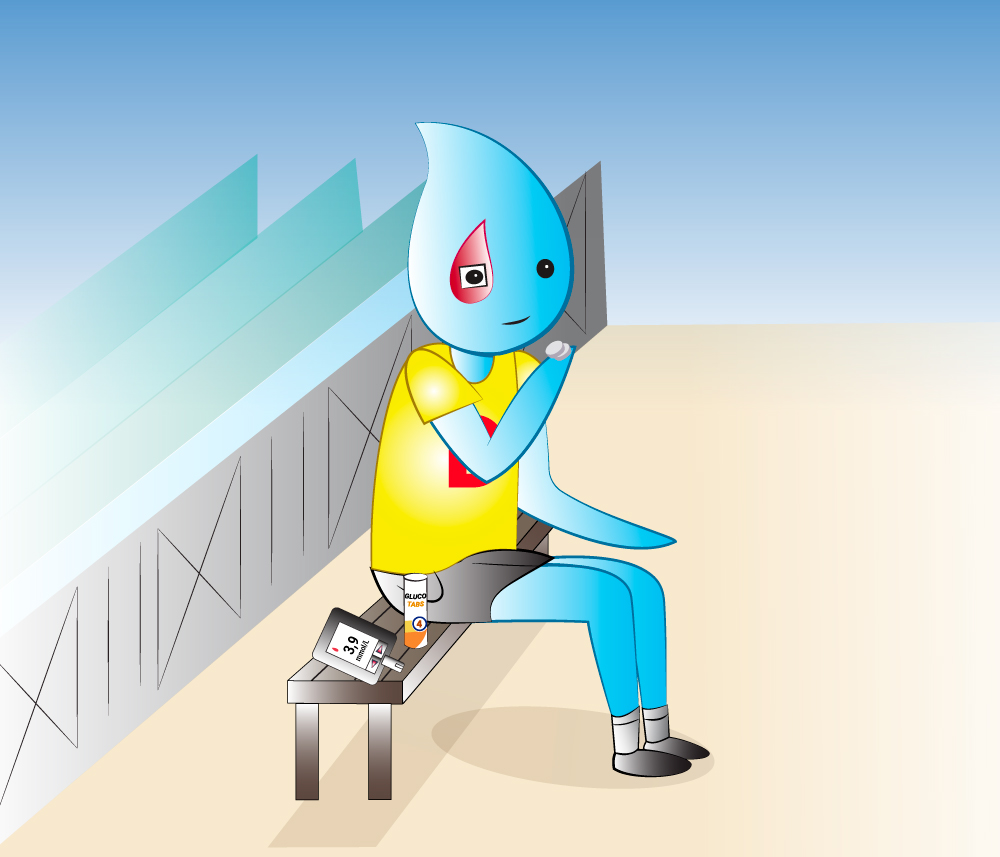
With good preparation and support, hypoglycaemia can be managed effectively, allowing people with diabetes to stay active, confident, and healthy.
For athletes with diabetes, having an emergency plan is just as important as their training regimen. Carry a kit with glucose sources and ensure teammates, coaches, or family members are aware of how to assist. Utilizing digital tools to monitor blood sugar trends can also improve safety and performance. Many apps now allow real-time tracking, offering insights into how exercise affects glucose levels and providing tailored recommendations.
Joining our platform can help boost your confidence and give you practical tips. You'll find real stories and advice from others who manage diabetes while staying active in sports, showing that with the right precautions, staying active can be a rewarding and lasting part of life.
Related Articles
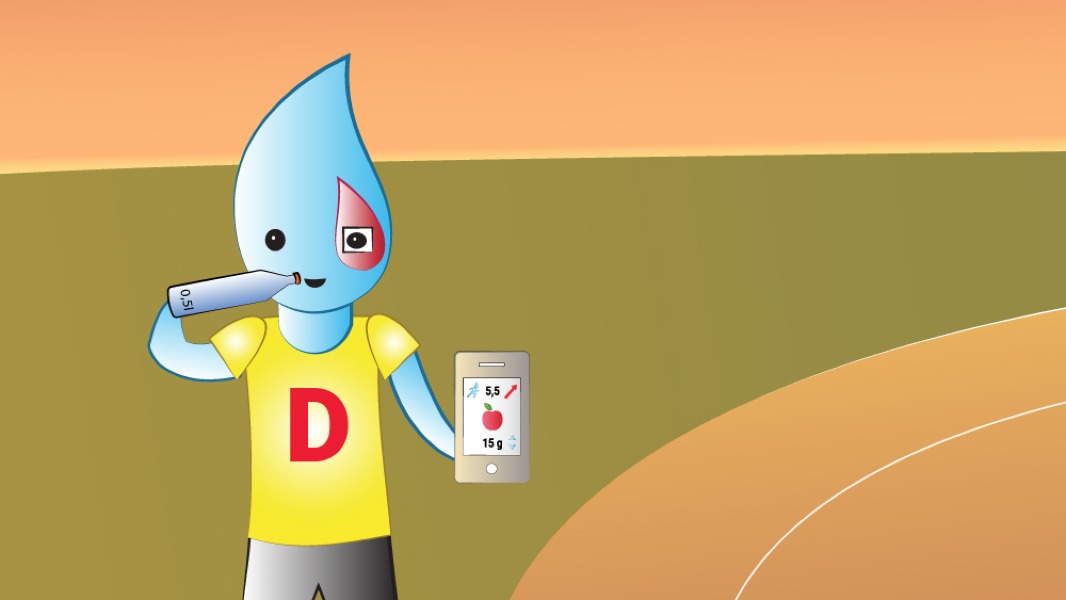
1-3 High Blood Glucose Levels: A Step-by-Step Quick Guide
Safe actions to control high blood sugar during sport and daily activity
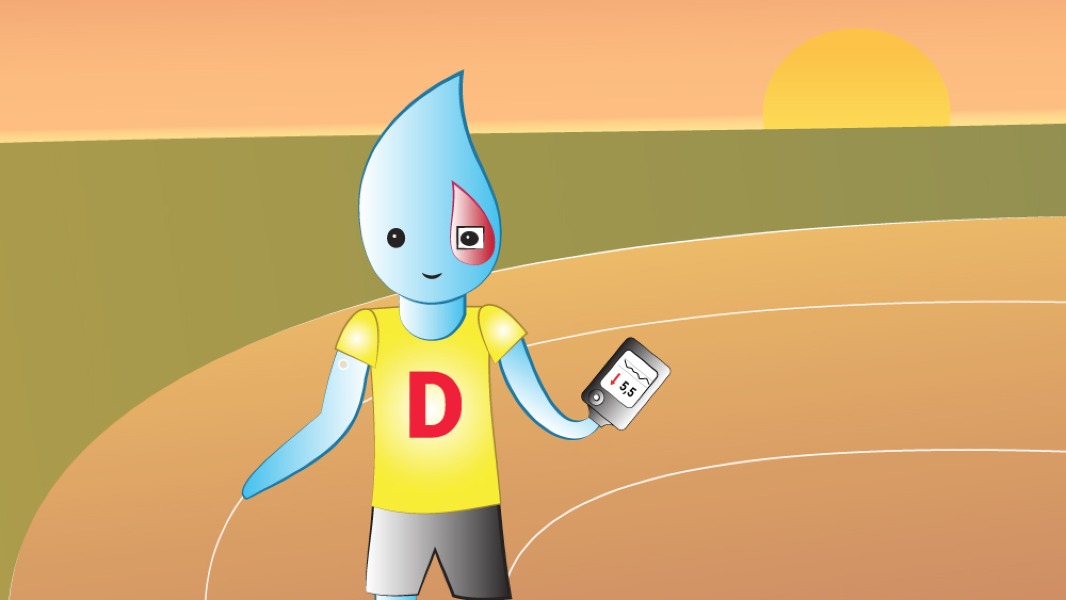
2-3-2 Hypo Unawareness in Type 1 Diabetes
When low blood sugar happens without warning signs
4-6-2 Reducing Hypoglycaemia During Exercise
Practical insulin and fueling strategies to prevent low blood glucose in sport
2-3-3 Severe Hypoglycaemia
Recognising, preventing, and responding to dangerous low blood glucose during physical activity
5-1-2 Glycemic impact
Understanding glycaemic index, carbohydrate timing, and fuel strategies in type 1 diabetes
