5-1-2 Glycemic impact
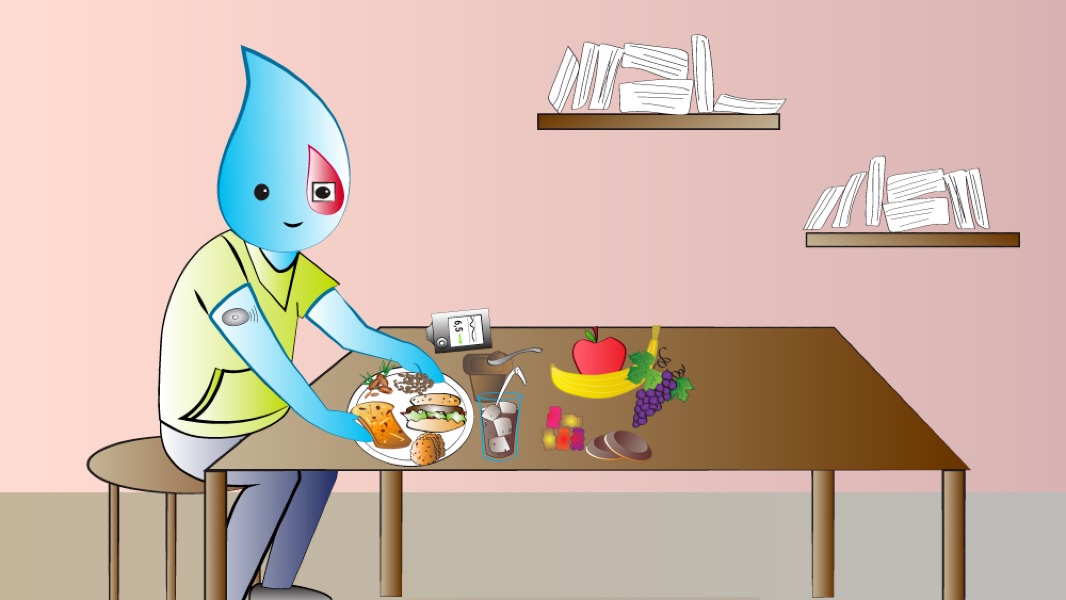
Understanding glycaemic index, carbohydrate timing, and fuel strategies in type 1 diabetes
For athletes living with diabetes, carbohydrates are both fuel and a powerful regulator of blood glucose. Understanding glycaemic impact and carbohydrate load helps optimise performance, prevent hypoglycaemia, reduce hyperglycaemia, and improve recovery. This article explains how different carbohydrates affect blood glucose, how to calculate carbohydrate load, and how to apply these principles before, during, and after exercise.
Energy Needs in Sport and Type 1 Diabetes
Energy requirements depend on:
- Body weight and age
- Type of sport
- Duration and intensity of exercise
- Growth and development (in children)
Endurance athletes typically have higher carbohydrate needs than sprinters. Children expend more energy per kilogram of body weight than adults at the same speed, meaning nutritional planning must be individualised.
For athletes with T1D, nutrition has two equally important goals:
- Supporting healthy growth and development
- Maintaining stable blood glucose during sport
What Is Glycaemic Index (GI)?
The Glycaemic Index (GI) measures how quickly a carbohydrate-containing food raises blood glucose compared to pure glucose (GI = 100).
Low-GI carbohydrates
- Digested slowly
- Provide gradual glucose release
- Improve glycaemic stability
- Associated with lower HbA1c and reduced hypoglycaemia risk
Examples:
Brown rice, barley, apples, oranges, yogurt
High-GI carbohydrates
- Digested rapidly
- Cause fast glucose spikes
- Useful during and after exercise
- Essential for treating hypoglycaemia
Examples:
Glucose tablets, white bread, cornflakes, sports drinks
When to Use Low vs High GI
Before Exercise
Low- to medium-GI carbohydrates are preferred.
They provide sustained energy and reduce rapid glucose swings.
High-GI carbohydrates within one hour before exercise may increase the risk of early hypoglycaemia.
During Exercise
High-GI carbohydrates are recommended when:
- Exercise lasts longer than 60 minutes
- Intensity is high
- Hypoglycaemia risk increases
They provide rapid glucose availability and preserve muscle glycogen.
After Exercise
Carbohydrates should be consumed as soon as possible to:
- Restore liver and muscle glycogen
- Prevent delayed hypoglycaemia
- Stabilise post-exercise glycaemia
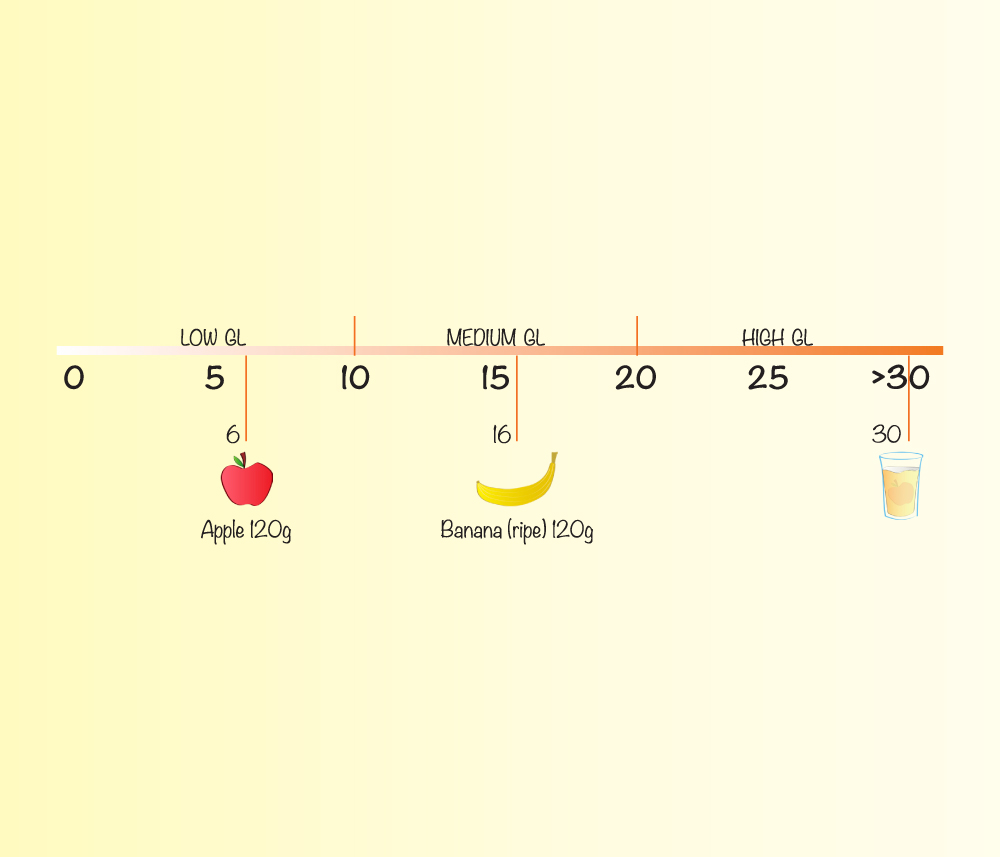
What Is Carbohydrate Load?
Carbohydrate load (CHO load) estimates how much a portion of food will affect blood glucose.
It considers:
- Glycaemic Index (GI)
- Carbohydrate content of the portion
Formula:
Carbohydrate Load = (GI × grams of carbohydrate in portion) ÷ 100
Example: Apple vs Glucose
A 250 g apple contains ~25 g carbohydrates.
GI of apple = 36.
CHO load = (36 × 25) ÷ 100 = 9 g glucose load
This means:
Apple raises glucose slowly
Not ideal for rapid hypoglycaemia correction
Good for stabilising mild glucose decline
In contrast:
10 g pure glucose (GI 100) = immediate effect
This demonstrates why food choice matters as much as carbohydrate quantity.
Carbohydrate Recommendations During Exercise
Carbohydrate needs depend on duration:
30–60 minutes
- Hydration is primary goal
- Small carbohydrate intake may improve high-intensity performance
1–3 hours
- 30–60 g carbohydrate per hour
- Focus on fluid replacement + carbohydrate intake
More than 3 hours
- 30–60 g carbohydrate per hour
- If >70 g/hour needed, combine glucose + fructose (2:1 ratio)
- Include sodium replacement
Low-GI Sugar Alternatives
Isomaltulose (GI 32) is a low-GI carbohydrate that:
- Produces smaller pre-exercise glucose rise
- Reduces carbohydrate oxidation
- Increases fat utilisation
- Preserves glycaemia post-exercise
This may help prevent post-exercise hyperglycaemia.
Carbohydrates in Children with Type 1 Diabetes
Children:
- Rely more on fat during aerobic exercise
- Rely less on anaerobic metabolism than adults
- Should consume >50% of energy from carbohydrates
- Have higher relative energy expenditure
Nutrition must support both sport and growth.
Related Articles
2-4-2 Rebound Hyper: Why Blood Sugar Spikes After a LowCoaster
Understanding post-hypoglycaemia highs and how to prevent glucose swings
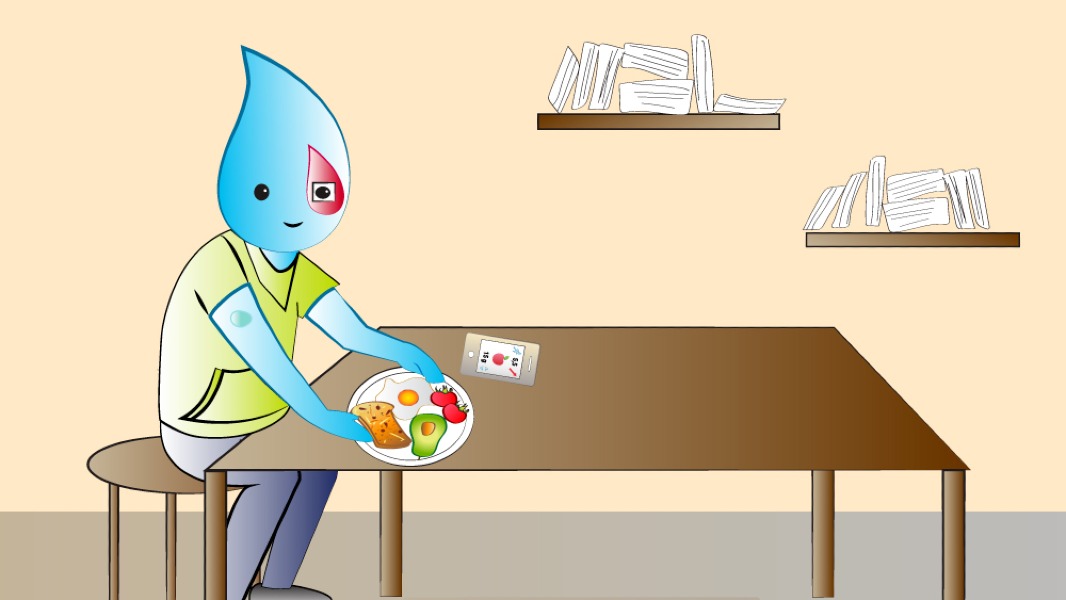
5-1-1 Smart Sports Nutrition for People with Type 1 Diabetes
How to fuel your body for stable blood glucose and better performance
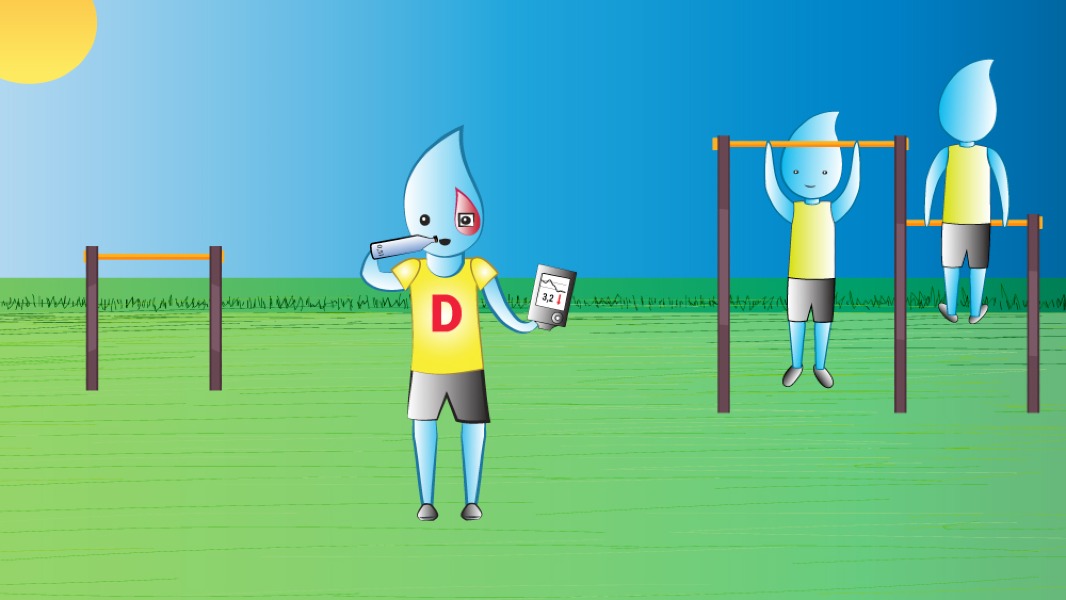
4-6-2 Reducing Hypoglycaemia During Exercise
Practical insulin and fueling strategies to prevent low blood glucose in sport
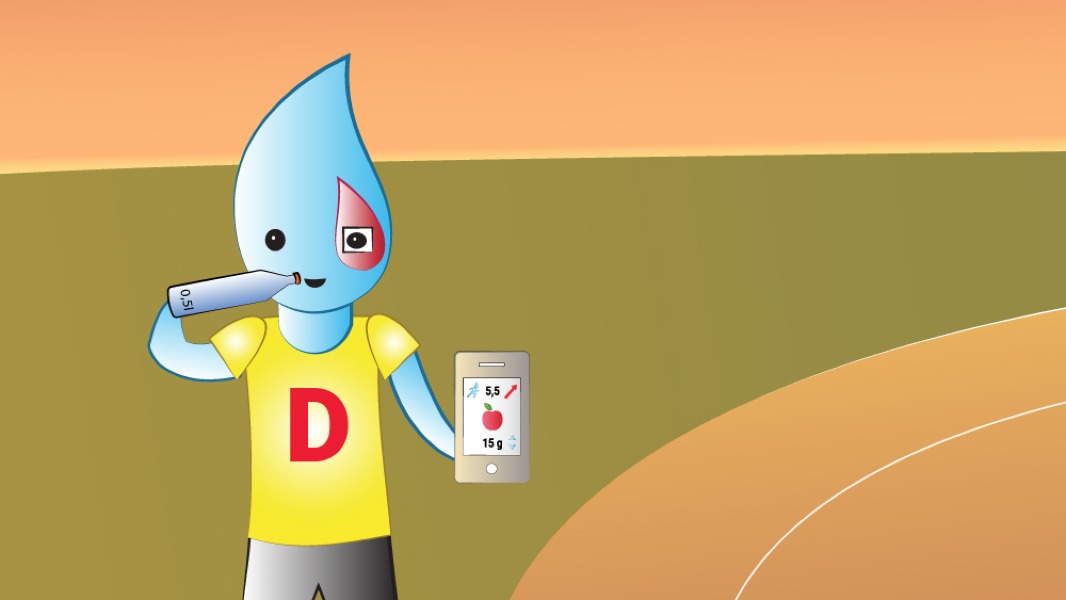
1-3 High Blood Glucose Levels: A Step-by-Step Quick Guide
Safe actions to control high blood sugar during sport and daily activity
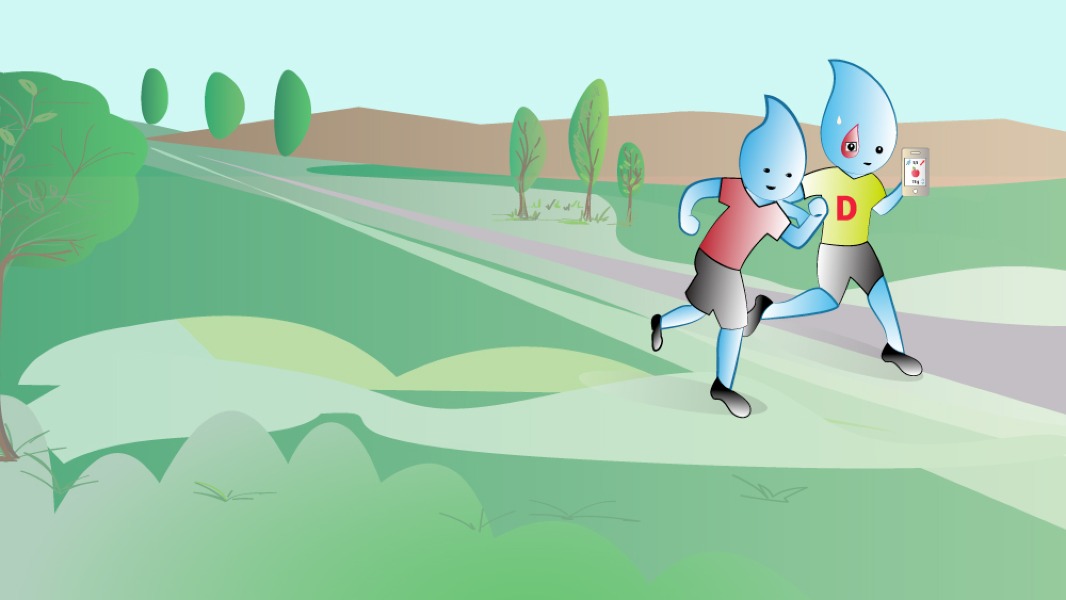
3-2 Endurance and Aerobic Exercise with Type 1 Diabetes
How to stay safe, balanced, and confident during long-distance and aerobic activities
