2-3-3 Severe Hypoglycaemia
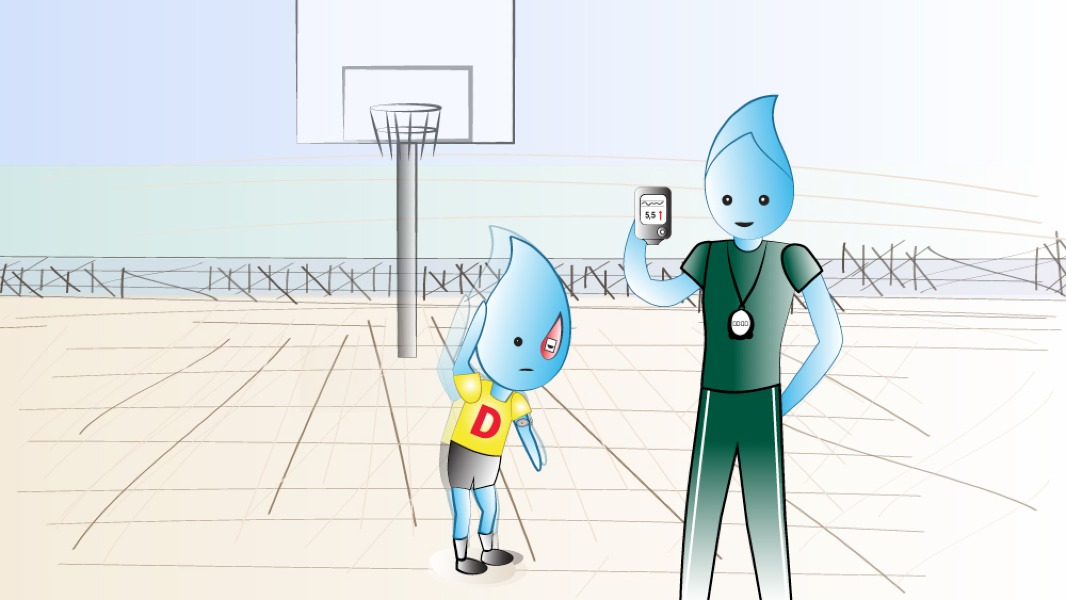
Recognising, preventing, and responding to dangerous low blood glucose during physical activity
Severe hypoglycaemia is a medical emergency that can occur in people living with type 1 diabetes, particularly during or after exercise. While physical activity offers significant health benefits, it increases glucose variability and may trigger low blood glucose episodes. Understanding the warning signs, risk factors, and emergency response steps is essential for athletes, parents, coaches, and teachers.
What Is Severe Hypoglycaemia?
Hypoglycaemia is defined as blood glucose below 3.9 mmol/L (70 mg/dL).
Severe hypoglycaemia occurs when:
- The person cannot self-treat
- Cognitive function is impaired
- Third-party assistance is required
- There is confusion, seizure, or unconsciousness
This may require glucagon administration or emergency medical support.
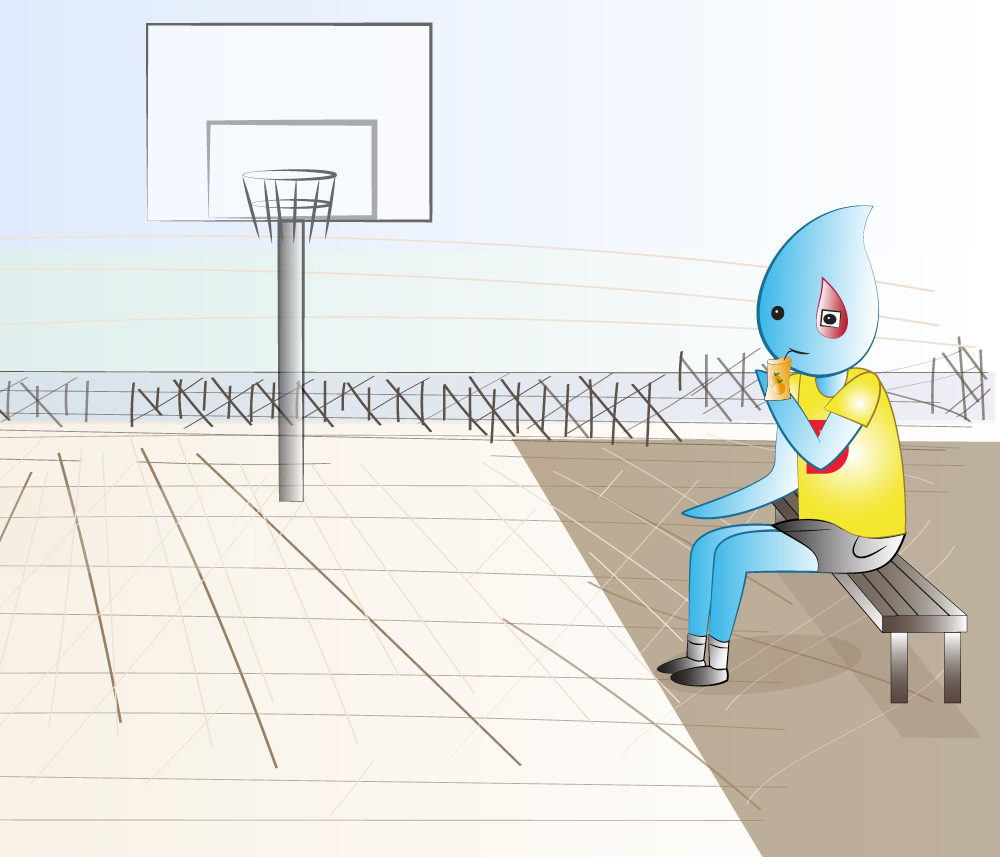
Why Does Exercise Increase Risk?
Aerobic exercise:
- Increases insulin sensitivity
- Enhances muscle glucose uptake
- Reduces blood glucose
Risk increases when:
- Insulin on board is high
- Exercise is prolonged
- The activity is new or unfamiliar
- The session occurs in late afternoon
- There was a recent hypoglycaemic episode
Delayed hypoglycaemia (often nocturnal) may occur up to 11 hours post-exercise.
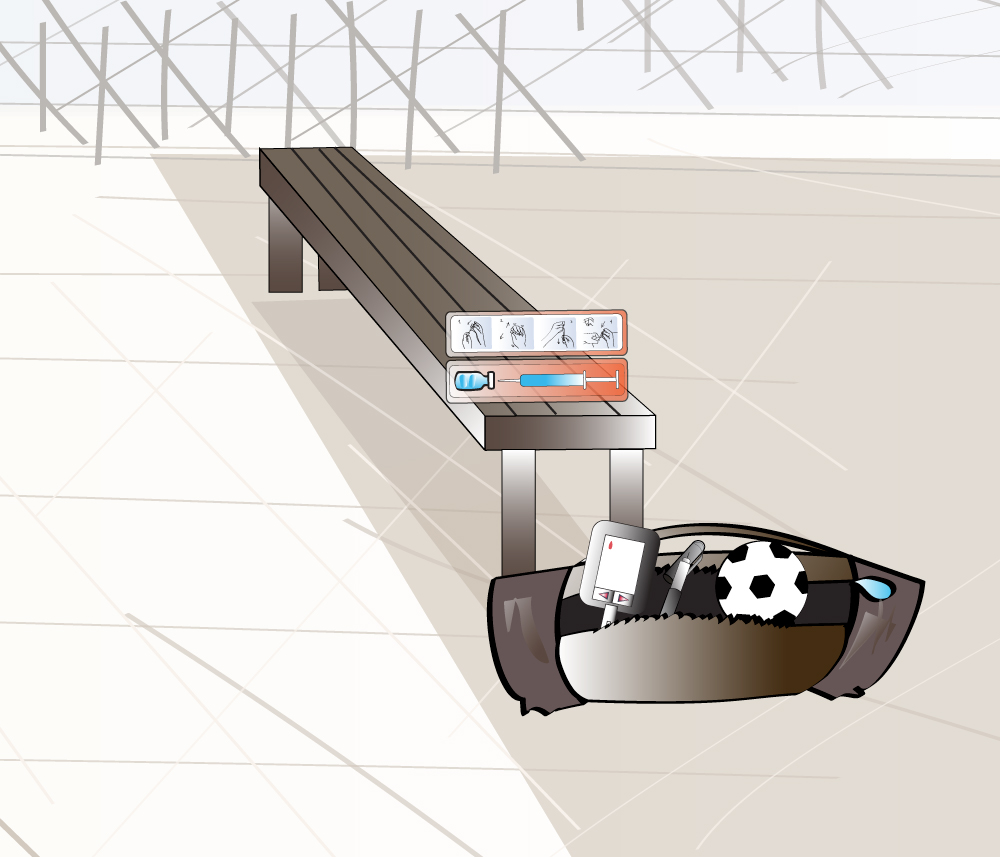
What to Do?
If Severe Hypoglycaemia Occurs
- Call emergency services
- Administer glucagon (if trained)
- Place the person on their side
- Once conscious, give fast-acting carbohydrate
Glucagon works by stimulating glycogen breakdown in the liver, rapidly raising blood glucose.
Preventing Severe Hypoglycaemia
- Adjust insulin before planned exercise
- Monitor glucose before, during, and after activity
- Be cautious if a hypo occurred within the previous 24 hours
- Reduce overnight basal insulin after prolonged activity
- Keep an activity and glucose diary
Regular glucose monitoring, thoughtful insulin adjustments, and proper carbohydrate planning are the most effective ways to prevent severe hypoglycaemia. Still, always stay alert—severe lows can develop rapidly, especially during or after exercise, and may require immediate assistance.
Related Articles
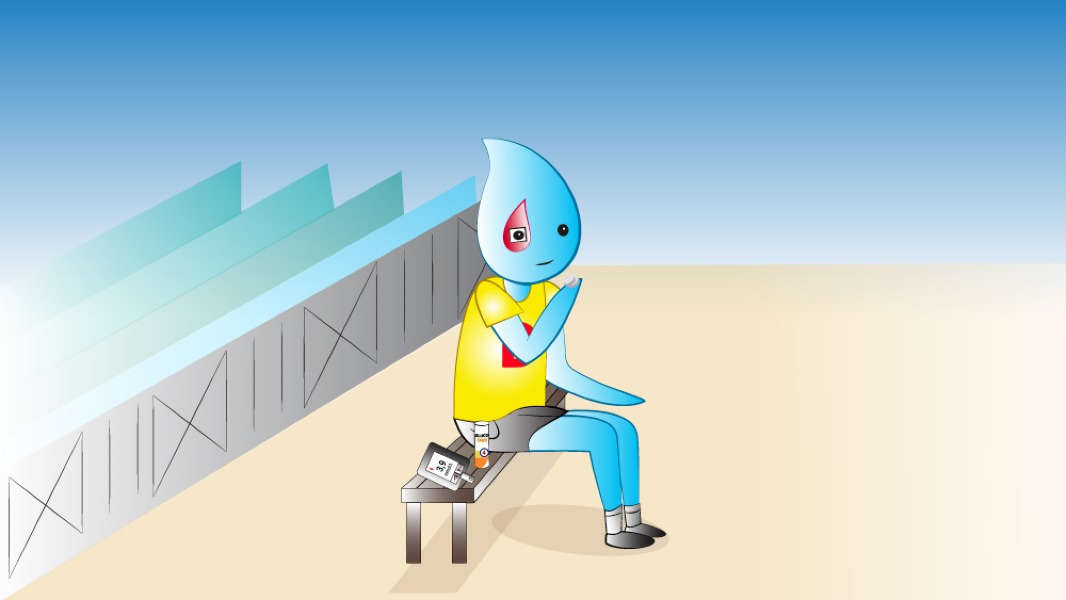
2-3-1 What is Hypo and How to Manage It?
Recognising low blood sugar and staying safe during physical activity
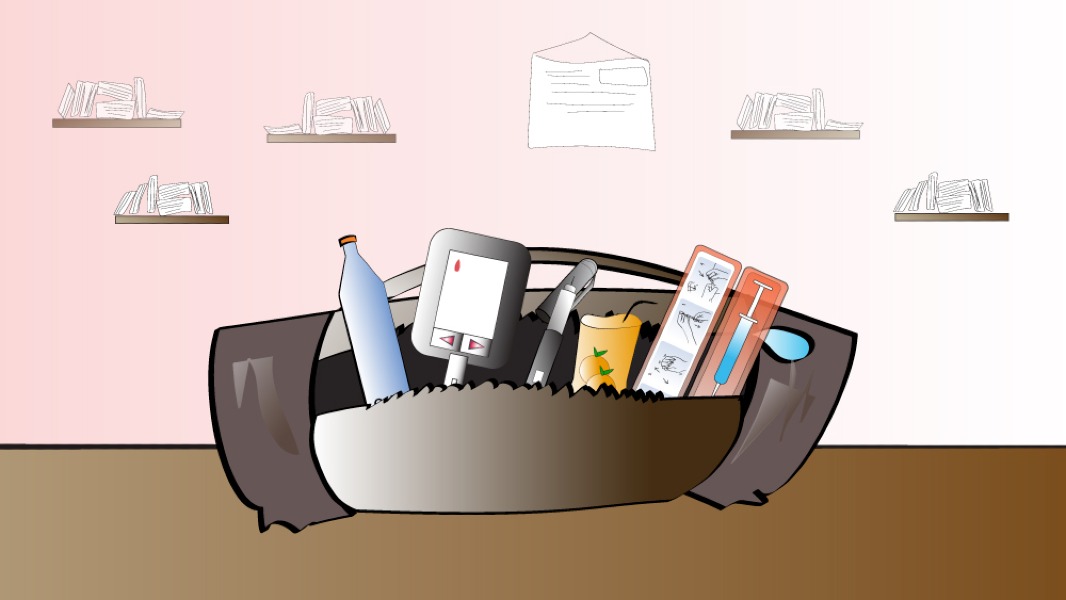
4-2-1 Blood Glucose Monitoring and Bag Packing for Sports with Type 1 Diabetes
How to stay prepared, safe, and confident during physical activity
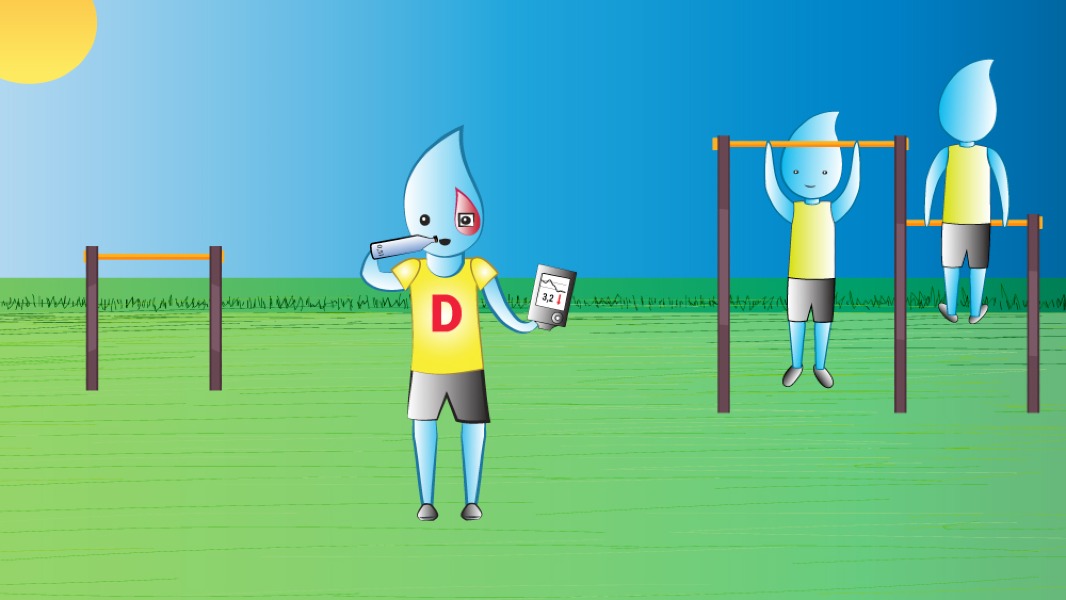
4-6-2 Reducing Hypoglycaemia During Exercise
Practical insulin and fueling strategies to prevent low blood glucose in sport
2-3-3 Severe Hypoglycaemia
Recognising, preventing, and responding to dangerous low blood glucose during physical activity
6-1-3 Talking to Coaches
How to communicate your needs and stay safe while training and competing
