4-4 Staying in Control: Managing Type 1 Diabetes During Sport
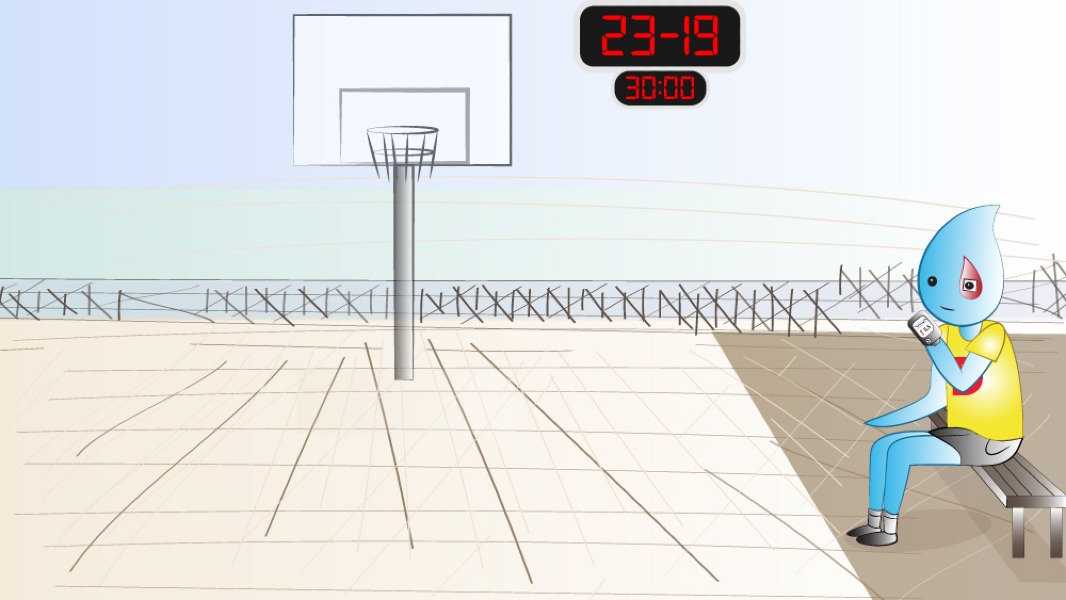
Practical strategies for stable blood glucose during training and competition
Staying physically active while maintaining stable blood glucose is achievable with appropriate monitoring, insulin adjustment, and nutrition strategies. For people living with type 1 diabetes, understanding how exercise affects glucose levels supports safer participation and better performance. This guide explains how to manage blood sugar effectively during training and competition.
Why In-Exercise Management Matters
Physical activity improves cardiovascular health, mood, and overall wellbeing. For athletes with type 1 diabetes, exercise also requires careful attention to carbohydrate intake, hydration, active insulin, training duration, and intensity.
By recognising personal glucose patterns, carrying fast-acting carbohydrates, and adjusting insulin when needed, individuals can remain active without compromising safety.
Real-Time Glucose Monitoring
- Aim to maintain glucose levels between 5.5–10 mmol/L (100–180 mg/dL) during activity.
- Use CGM trend arrows to respond early to rising or falling glucose.
- If using fingerstick testing, check before exercise, during breaks, and after finishing.
Preventing Hypoglycaemia During Activity
- Carry 15–30 g of fast-acting carbohydrates for sessions longer than 30–60 minutes.
- If glucose falls below 4 mmol/L (70 mg/dL), stop activity and treat with juice, glucose tablets, or sports drinks.
- Wait 15 minutes, recheck, and resume only when levels are stable.
Managing Hyperglycaemia and Ketones
- Short, high-intensity efforts may temporarily raise glucose levels.
- If glucose exceeds 14 mmol/L (250 mg/dL), check ketones.
- Hydrate and follow insulin correction guidance from your healthcare team before continuing.
Understanding Sport-Specific Patterns
Different activities affect glucose differently:
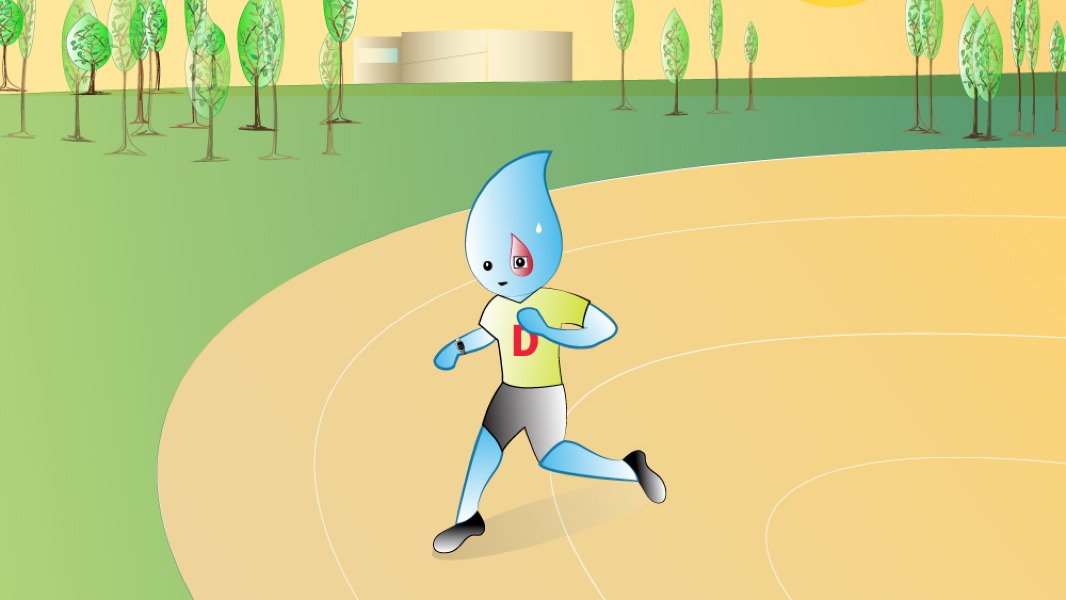
- Aerobic exercise (running, swimming): Gradual glucose decrease
- Anaerobic exercise (weightlifting, HIIT): Temporary increase followed by possible decline
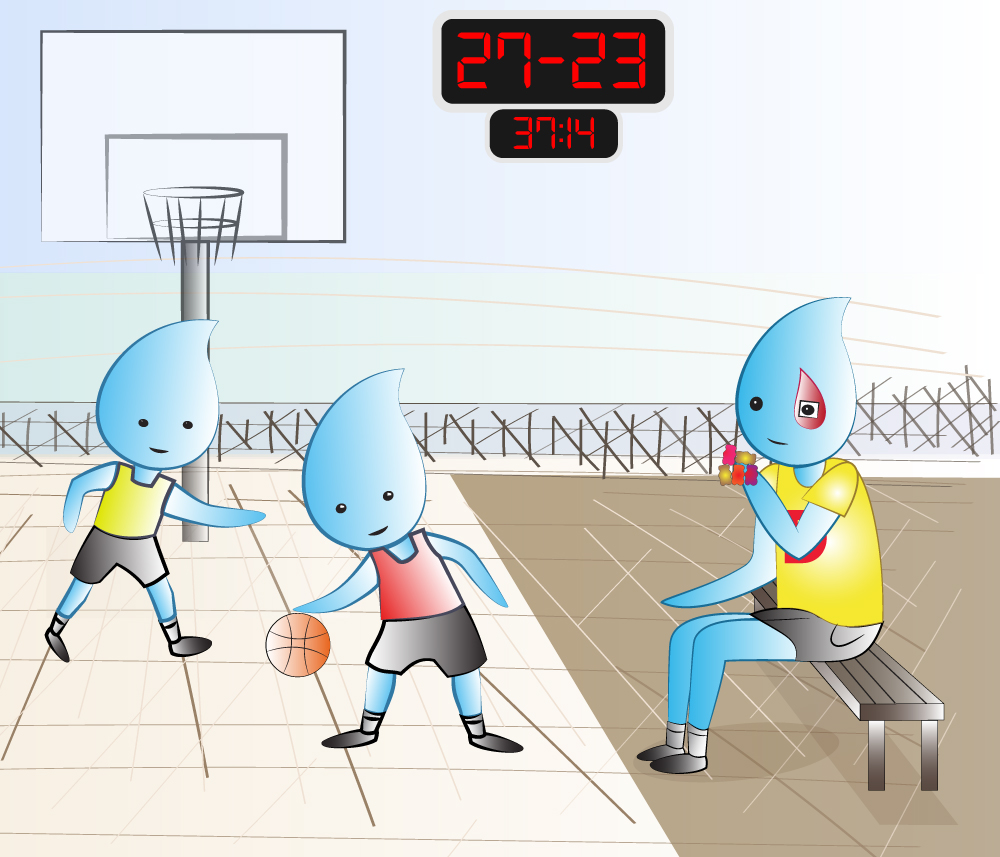
- Mixed sports (football, basketball): Variable patterns requiring close monitoring
Learning personal trends improves decision-making
Hydration and Fueling During Sport
- Drink water regularly during activity.
- Use electrolyte drinks during prolonged or hot-weather sessions.
- Match carbohydrate intake to exercise intensity and duration.
Communication and Safety
Inform coaches, teachers, and teammates about diabetes management, signs of hypoglycaemia, and emergency procedures. Knowing where glucose and glucagon are stored improves response time.
Post-Exercise Monitoring and Recovery
After training or competition, insulin sensitivity may remain elevated for several hours.
- Check glucose shortly after activity and again before sleep.
- Consider a snack containing slow-release carbohydrates and protein if levels are trending lower.
Consistent post-exercise monitoring reduces delayed hypoglycaemia risk.
Related Articles
3-4 Managing Blood Glucose During Mixed Exercise
Balancing aerobic and anaerobic activity for stable blood sugar control
4-3 Preparing for Exercise with Type 1 Diabetes: What to Do Before You Start
Essential pre-workout steps for safe and confident physical activity
4-6-2 Reducing Hypoglycaemia During Exercise
Practical insulin and fueling strategies to prevent low blood glucose in sport
4-5 Recovering After Sport With Type 1 Diabetes
How to stabilise blood glucose, refuel, and prevent delayed hypoglycaemia
4-6-1 Reducing Hyperglycaemia During Exercise
Managing high blood glucose caused by stress hormones and insulin imbalance
