4-3 Preparing for Exercise with Type 1 Diabetes: What to Do Before You Start
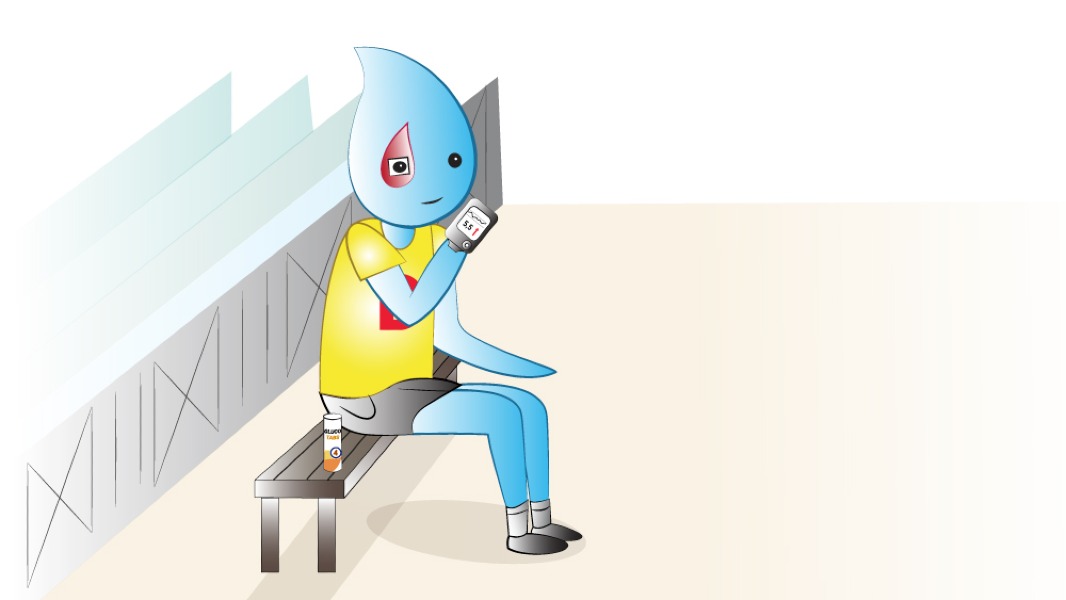
Essential pre-workout steps for safe and confident physical activity
Preparing for exercise involves more than warming up when you live with type 1 diabetes. Checking blood glucose, adjusting insulin, choosing appropriate nutrition, and maintaining hydration all support safe and effective training. This guide outlines essential pre-exercise steps to help prevent hypoglycaemia and hyperglycaemia while improving performance and confidence.
Why Preparation Matters
Physical activity is a key part of a healthy lifestyle, but type 1 diabetes adds extra considerations. Blood glucose responses to exercise vary depending on recent meals, active insulin, hydration status, and workout duration.
With careful planning, including attention to carbohydrates, fluids, and timing, individuals can reduce the risk of unexpected glucose fluctuations. Consistent preparation habits support long-term confidence and enjoyment of sport.
Step-by-Step Pre-Exercise Checklist
1. Check Blood Glucose First
- If below 4 mmol/L (70 mg/dL), take 15 g of fast-acting carbohydrates, wait 15 minutes, and recheck.
- A starting range of 5.5–10 mmol/L (100–180 mg/dL) is suitable for most people.
- Consider “insulin on board,” as recent bolus doses increase hypoglycaemia risk.
- If above 14 mmol/L (250 mg/dL), check ketones and delay exercise if they are present.
2. Adjust Insulin When Needed
- Reduce rapid-acting insulin before activity if advised.
- Use temporary basal reduction (10–50%) on pumps when appropriate.
- Delay high-intensity exercise after recent bolus doses if necessary.
- Review strategies regularly with your healthcare team.
3. Choose the Right Fuel
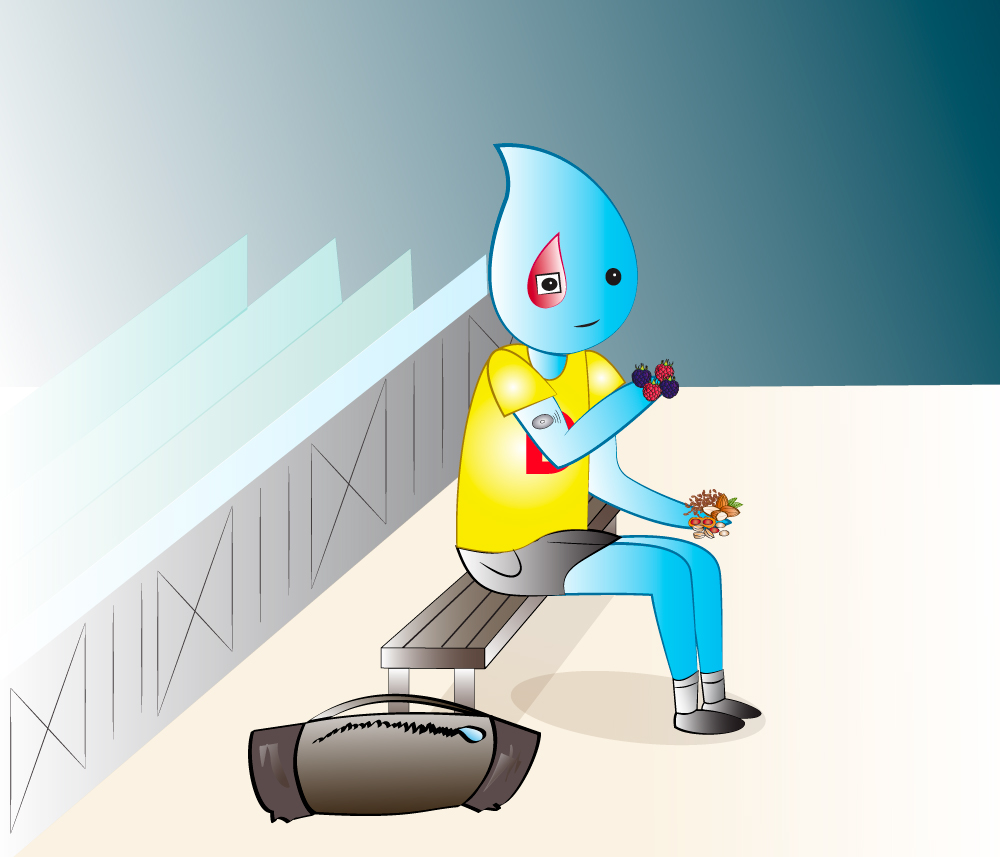
- 30–60 minutes before exercise: Eat a small snack rich in fast-acting carbohydrates.
- 2–3 hours before exercise: Choose a balanced meal with carbohydrates, protein, and healthy fats.
- Match carbohydrate intake to exercise type and intensity.
4. Prioritise Hydration
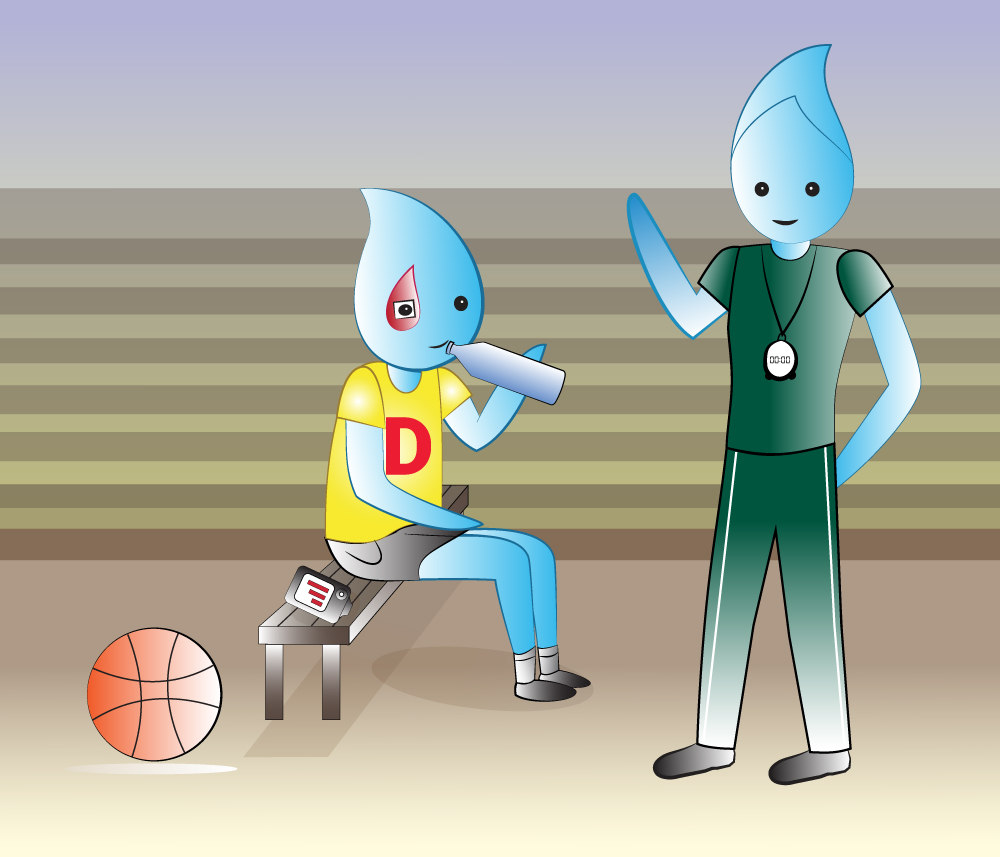
- Drink approximately 500 ml of water 1–2 hours before activity.
- Sip fluids regularly during exercise.
- Use electrolyte drinks during long sessions or in hot conditions.
- Dehydration may raise blood glucose and reduce performance.
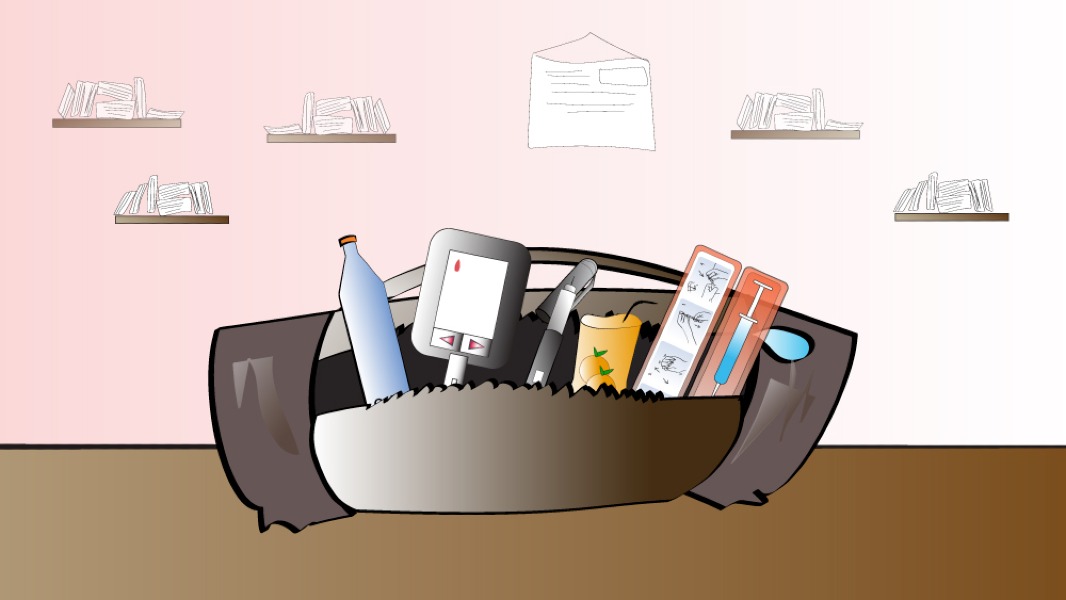
5. Prepare Your Sports Bag
Include:
- Fast-acting carbohydrates
- Glucose meter or CGM with backup supplies
- Water bottle and slow-release snacks
- Medical identification and emergency contact information
- Ensure teammates or coaches know where emergency items are stored.
6. Involve Your Support Network
- Inform coaches, teachers, or training partners about your diabetes.
- Explain signs of hypoglycaemia and how to help.
- Share reliable educational resources when needed.
Building Long-Term Confidence
By monitoring glucose, fueling appropriately, staying hydrated, and communicating openly, people with type 1 diabetes can approach every workout with confidence. Consistent preparation supports safer training and long-term success.
Related Articles
4-2-1 Blood Glucose Monitoring and Bag Packing for Sports with Type 1 Diabetes
How to stay prepared, safe, and confident during physical activity
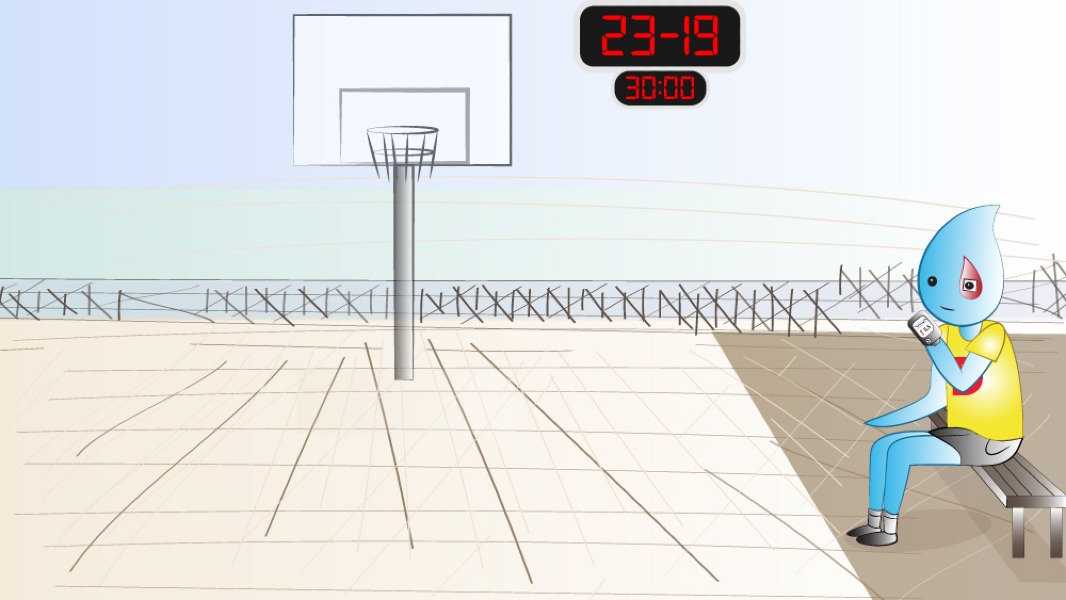
4-4 Staying in Control: Managing Type 1 Diabetes During Sport
Practical strategies for stable blood glucose during training and competition
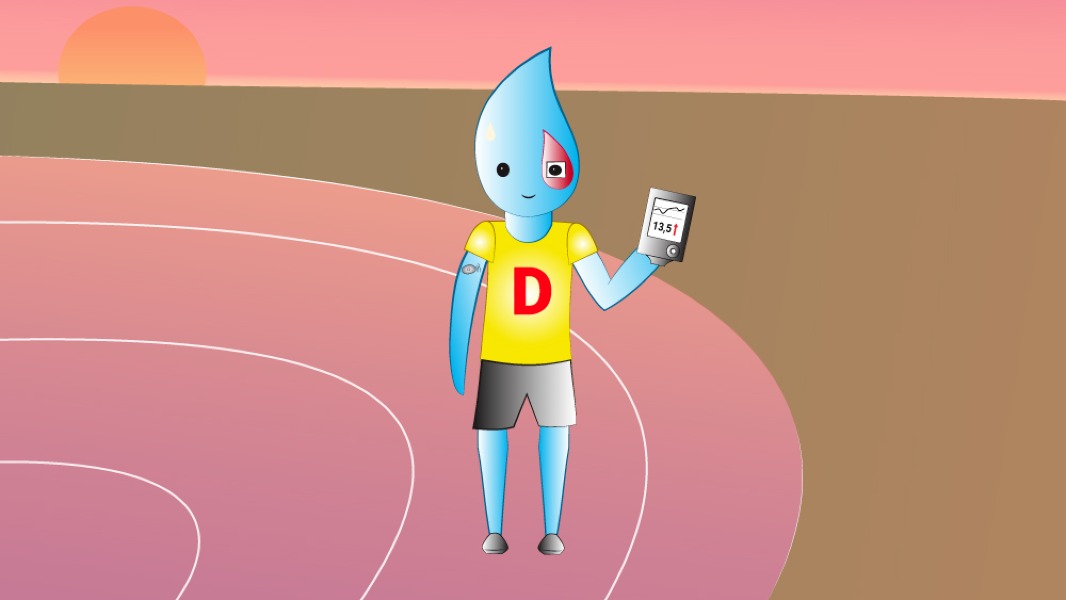
4-6-1 Reducing Hyperglycaemia During Exercise
Managing high blood glucose caused by stress hormones and insulin imbalance
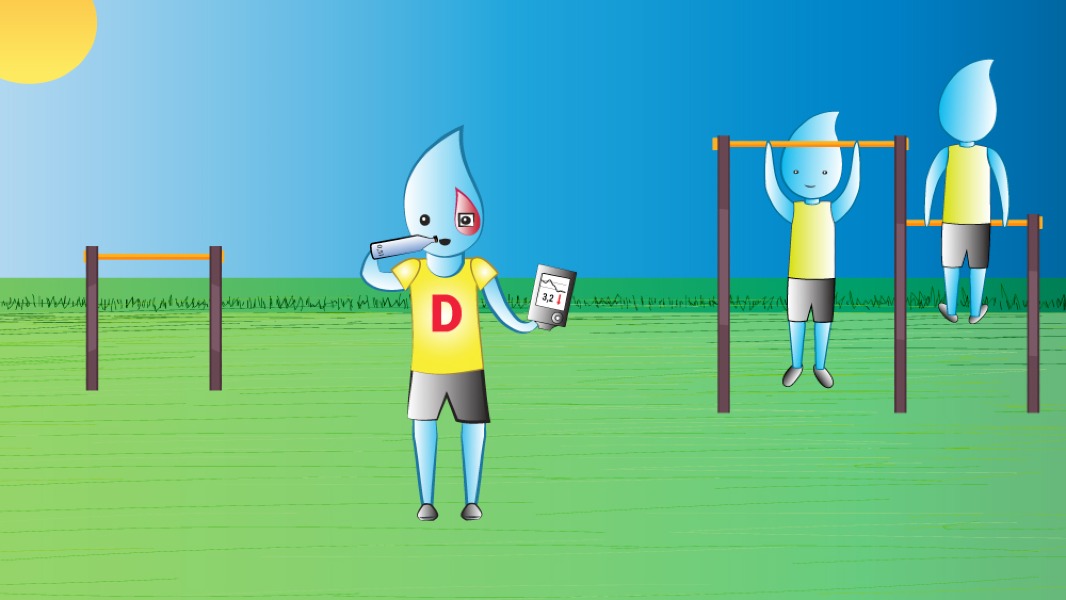
4-6-2 Reducing Hypoglycaemia During Exercise
Practical insulin and fueling strategies to prevent low blood glucose in sport
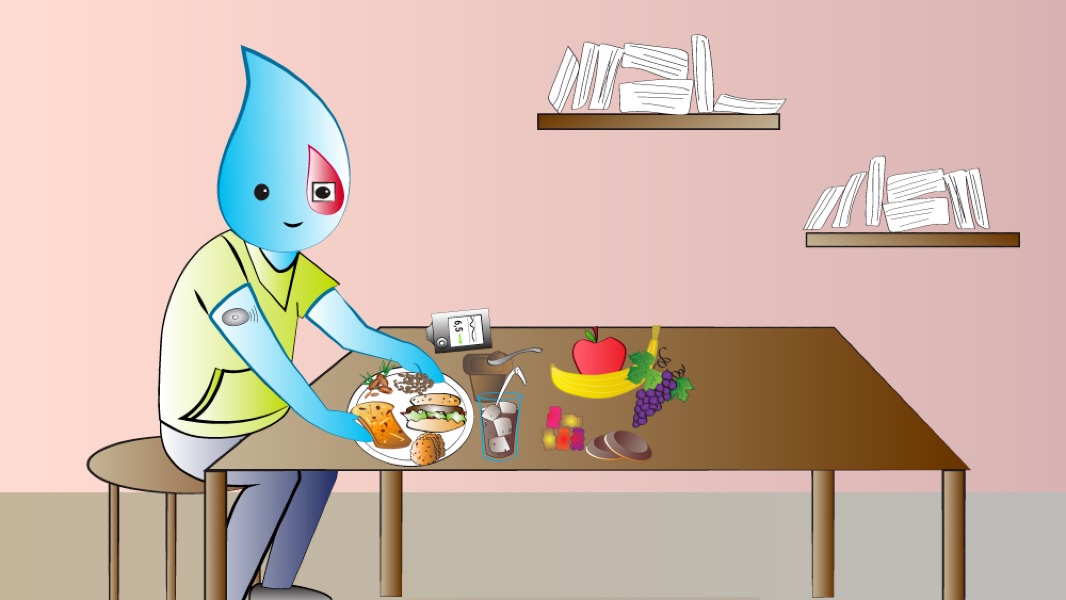
5-1-2 Glycemic impact
Understanding glycaemic index, carbohydrate timing, and fuel strategies in type 1 diabetes
