3-5-4 Individual and Team Sports with Diabetes
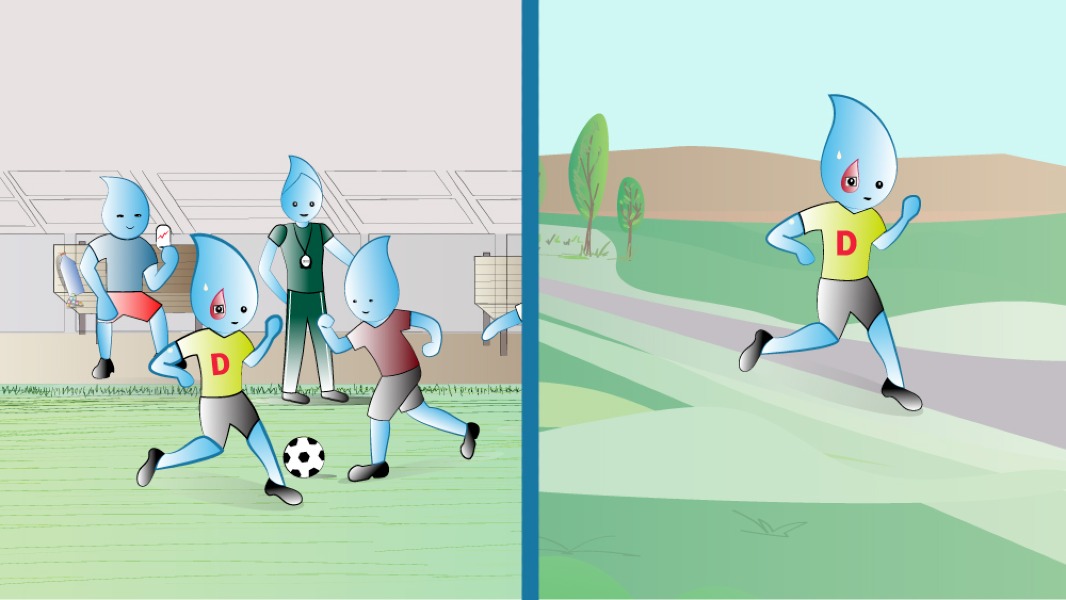
How to choose the right activity for your health, confidence, and glucose control
Both individual and team sports offer important physical, mental, and social benefits for people living with type 1 diabetes. Each type of activity influences motivation, stress levels, and blood glucose patterns in different ways. This article explains how individual and team sports affect diabetes management and helps you choose the option that best fits your lifestyle, preferences, and goals.
Benefits of Individual and Team Sports
Both individual and team sports support cardiovascular fitness, coordination, strength, and mental wellbeing. The most important factor is not whether a sport is practiced alone or in a group, but how well it matches personal interests, abilities, and long-term goals.
Enjoyment plays a key role in maintaining an active lifestyle. When people enjoy their chosen activity, they are more likely to remain consistent, manage challenges effectively, and maintain good glucose control.
Different types of exercise influence blood sugar in different ways:
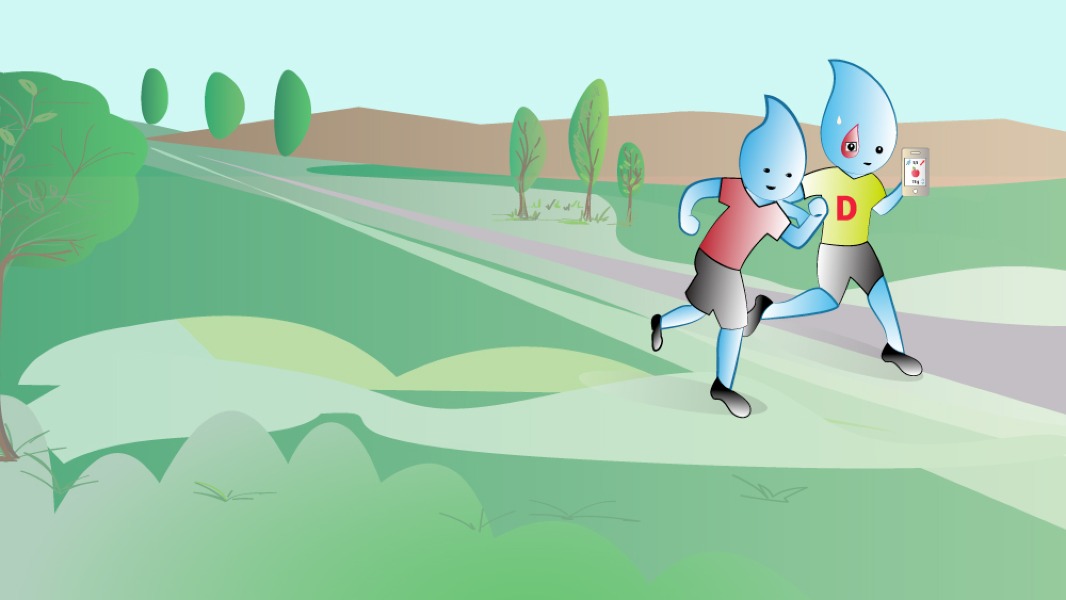
- Endurance activities often lead to gradual glucose decreases
- High-intensity efforts may cause temporary increases
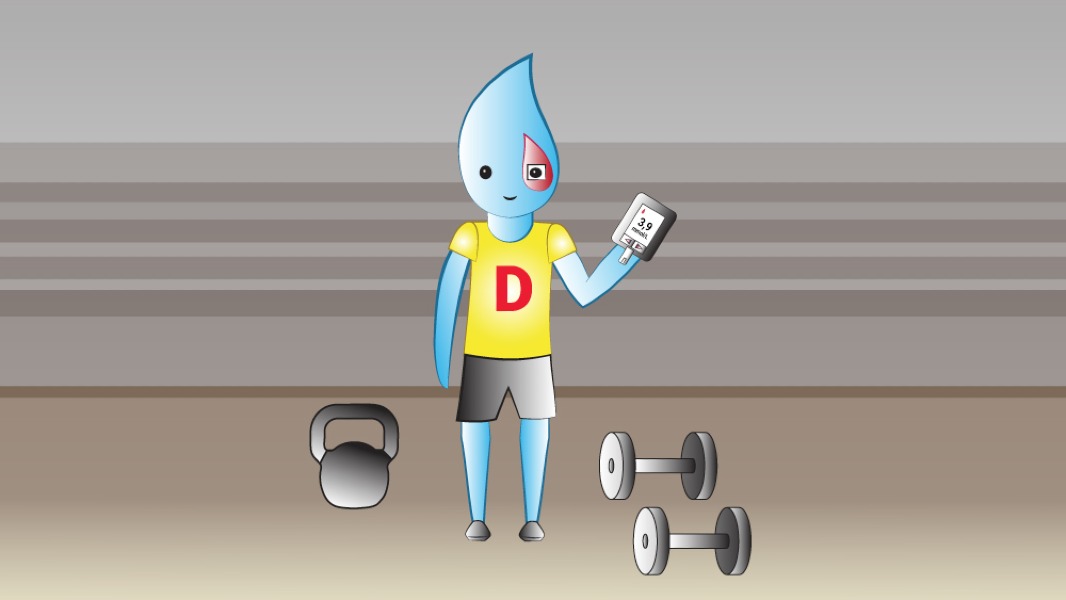
- Strength-based training usually has smaller immediate effects
Understanding these patterns helps athletes adjust insulin and nutrition more safely.
Communication style, learning preferences, and stress responses may also differ between individual and team sports, influencing glucose stability.
How Team Sports Affect Blood Sugar and Wellbeing
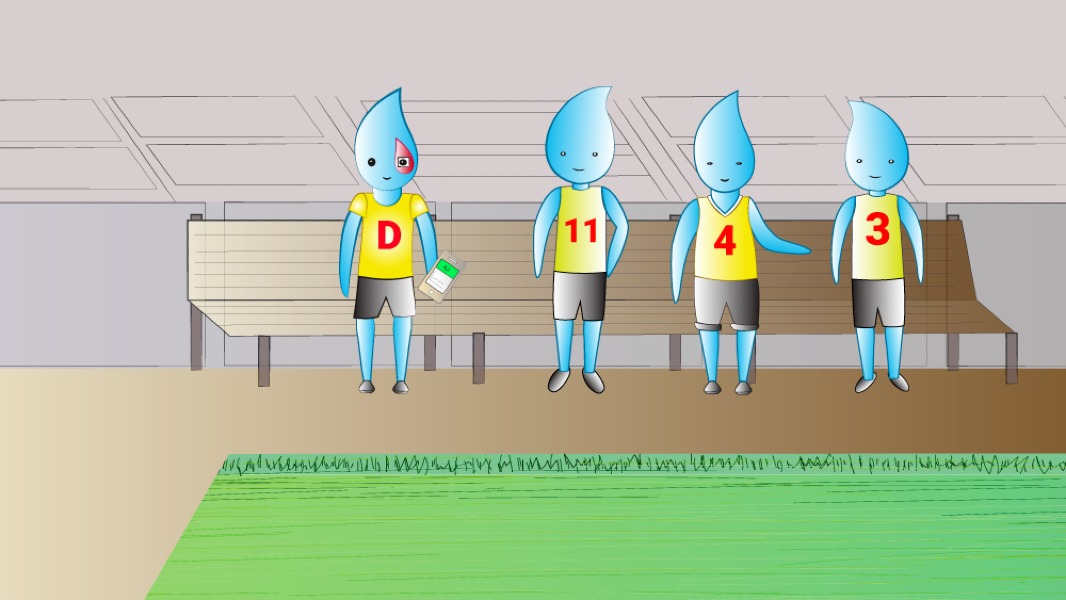
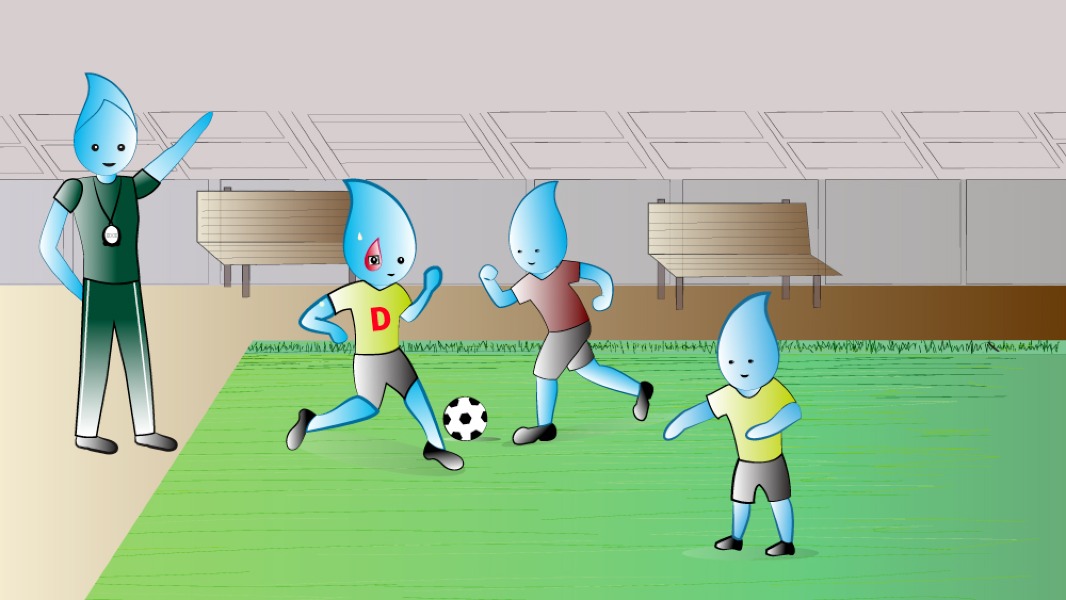
Team sports promote cooperation, shared goals, and social connection. This supportive environment often increases motivation and confidence.
Social support may contribute to more stable glucose patterns, with fewer extreme fluctuations in some athletes. Short-term glucose increases may occur during intense moments, such as sprints or competitive situations, but these are usually temporary.
Belonging to a team can reduce anxiety and improve self-esteem, especially when athletes feel understood and supported.
However, competition pressure, performance expectations, and interpersonal conflicts may increase stress and affect blood glucose. Long periods of intense activity may also raise the risk of delayed hypoglycaemia, making post-exercise monitoring essential.
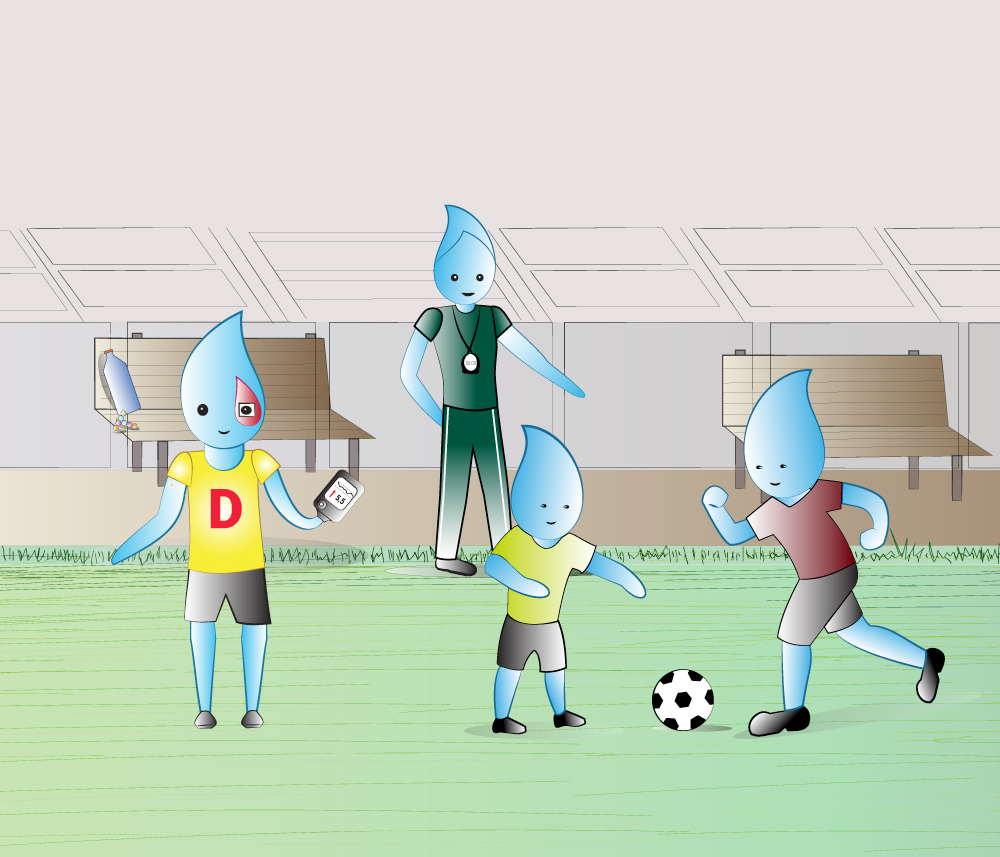
How Individual Sports Support Self-Management
Individual sports provide greater independence and flexibility. Athletes can adjust training intensity, timing, and recovery based on personal glucose patterns and daily needs.
This autonomy supports strong self-awareness and self-discipline. Many individuals develop a deeper understanding of how exercise, food, insulin, and stress affect their blood sugar levels.
In individual sports, performance may be more directly influenced by glucose levels, emotional state, and environmental conditions. However, increased self-monitoring often improves long-term glucose control.
With experience, many athletes report:
- Fewer hypoglycaemic episodes
- Reduced glucose variability
- Improved time in range
- Greater confidence in self-management
Mental Wellbeing and Long-Term Balance
Mental preparation plays an important role in both individual and team sports. Learning to manage stress, stay focused, and build self-confidence supports both performance and metabolic stability.
Helpful strategies may include:
- Relaxation techniques
- Goal setting
- Mental rehearsal
- Self-reflection
A strong connection between physical activity and psychological wellbeing supports better quality of life and long-term engagement in sport.
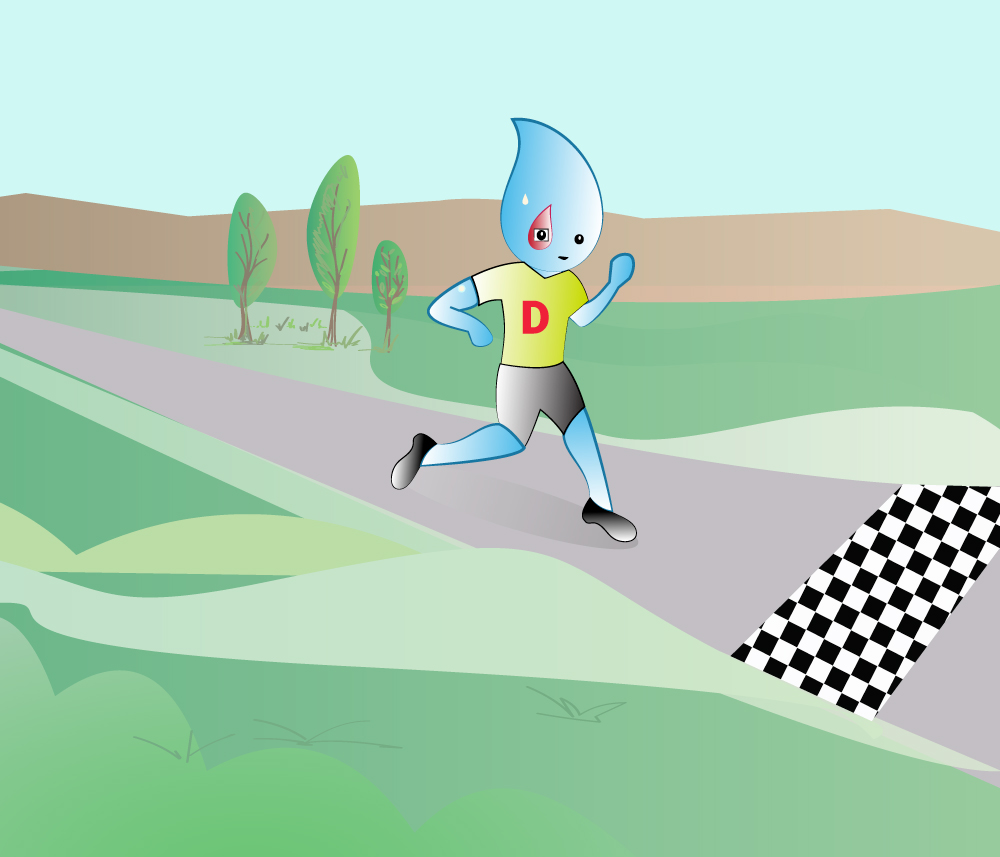
Choosing What Works Best for You
There is no “best” sport for people with diabetes. The ideal choice depends on:
- Personal interests
- Lifestyle and schedule
- Social preferences
- Health goals
- Glucose response patterns
Some people enjoy combining both individual and team activities to benefit from flexibility and social interaction.
The most successful approach is one that feels enjoyable, sustainable, and safe.
Related Articles
3-4 Managing Blood Glucose During Mixed Exercise
Balancing aerobic and anaerobic activity for stable blood sugar control
6-2-3 Talking to the Team
How to build an inclusive, respectful, and supportive team environment
3-2 Endurance and Aerobic Exercise with Type 1 Diabetes
How to stay safe, balanced, and confident during long-distance and aerobic activities
3-3 Power mode: Anaerobic Exercise and sports
Managing blood glucose during strength training, sprinting, and high-intensity workouts
6-2-4 Motivation Strategies for Teams with Athletes Who Have Diabetes
How coaches and teammates can build confidence, inclusion, and long-term success
