3-2 Endurance and Aerobic Exercise with Type 1 Diabetes
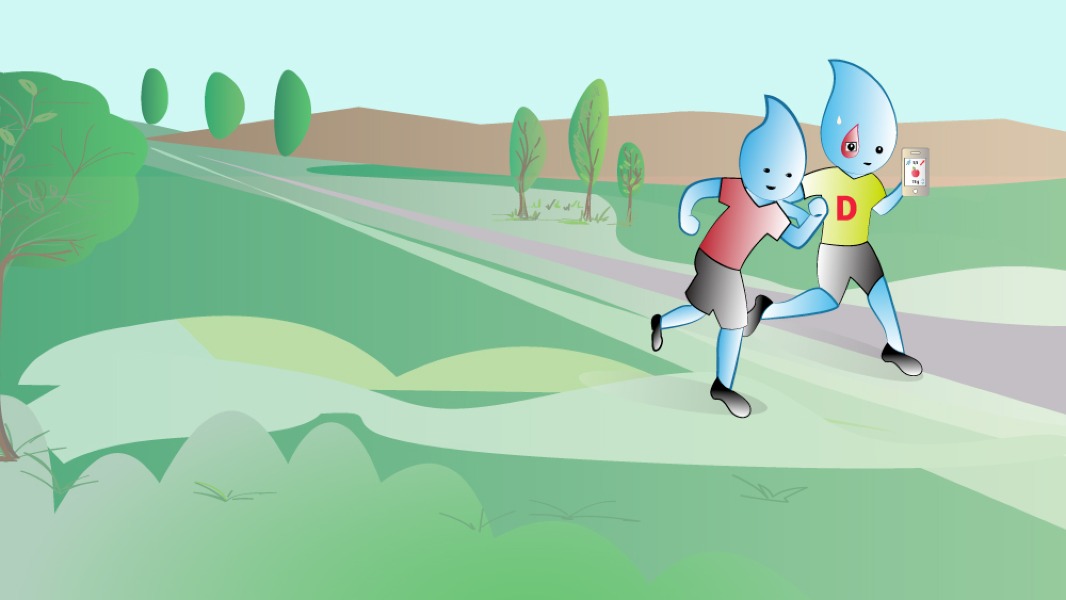
How to stay safe, balanced, and confident during long-distance and aerobic activities
Aerobic and endurance sports provide important physical and mental health benefits for people living with type 1 diabetes. With appropriate preparation and blood glucose management, these activities can be enjoyed safely and confidently. This guide explains how endurance exercise affects blood sugar and offers practical strategies to support stable glucose levels and long-term performance.
Benefits of Endurance Exercise for People With Diabetes
Endurance and aerobic activities, such as running, swimming, cycling, and team sports, improve cardiovascular fitness, increase stamina, and support mental well-being.
For people with type 1 diabetes, physical activity influences blood glucose levels. However, with careful planning of insulin, nutrition, and hydration, individuals can participate fully and safely in these activities.
Starting a new sport or training routine may feel challenging at first. Understanding personal glucose patterns and preparing in advance helps reduce anxiety and build confidence.
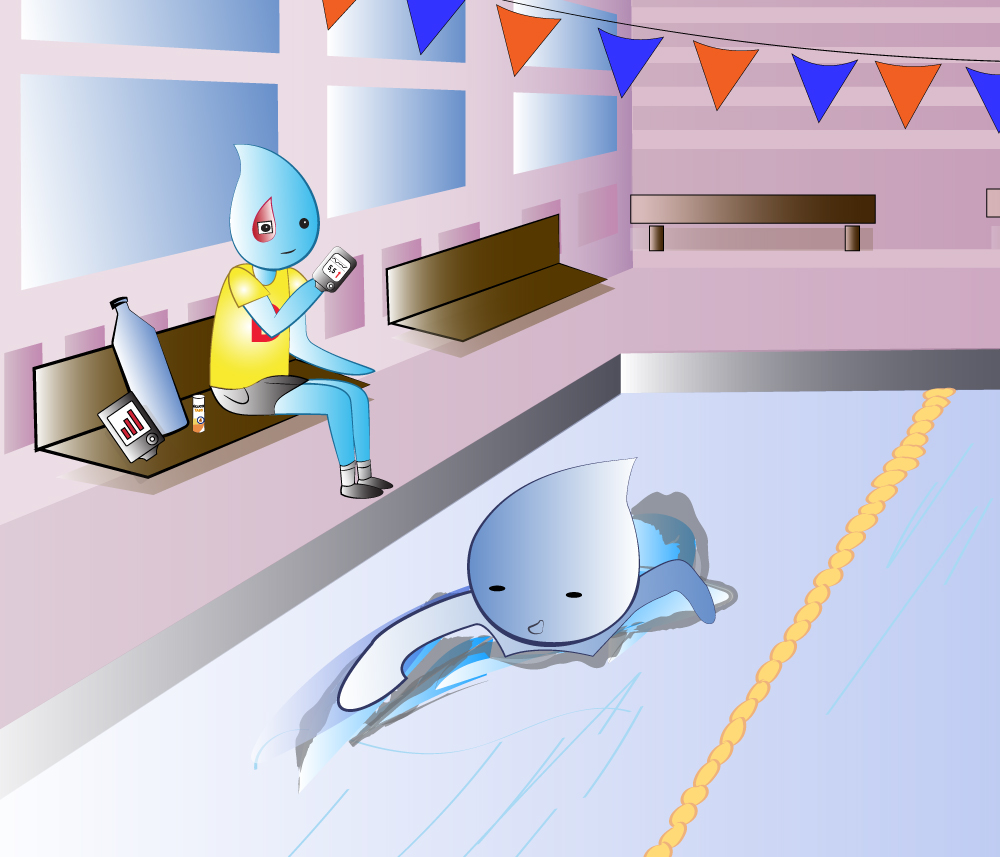
How Aerobic Exercise Affects Blood Glucose
Endurance exercise usually lowers blood glucose levels because working muscles use glucose for energy. However, individual responses may vary depending on exercise intensity, duration, insulin levels, and stress hormones.
Common patterns include:
- Gradual glucose decline during moderate activities
- Delayed hypoglycaemia several hours after exercise, especially overnight
- Temporary glucose increases after high-intensity efforts
Monitoring trends helps identify personal responses to different types of activity.
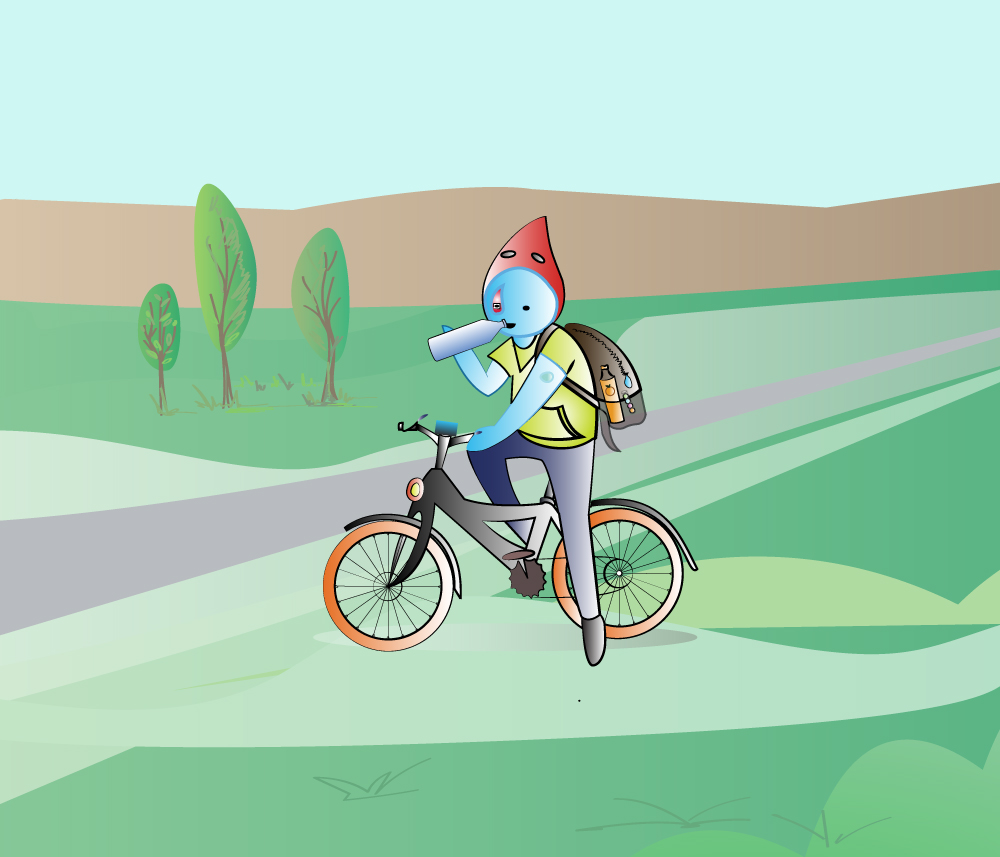
Smart Strategies for Managing Glucose During Endurance Exercise
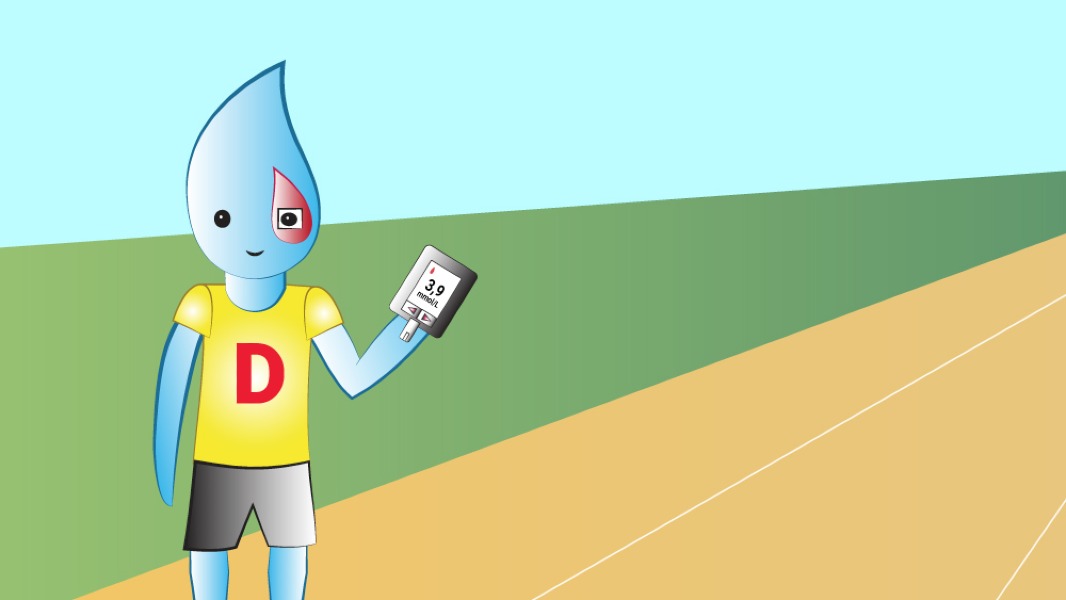
Check Blood Glucose Before You Begin
- Aim for 5.5–10 mmol/L (100–180 mg/dL).
- If below 4 mmol/L, treat with fast-acting carbohydrates and wait 15 minutes.
- If above 14 mmol/L, check ketones and hydrate before continuing.
Adjust Insulin Thoughtfully
- Reduce rapid-acting insulin before long sessions.
- Use temporary basal reduction or exercise mode if using an insulin pump.
- Follow individualised advice from healthcare professionals.
Fuel Your Performance Smartly
- For sessions longer than 60 minutes, consume 15–30 g of carbohydrates per hour.
- Suitable options include fruit, energy gels, sports drinks, and cereal bars.
Maintain Proper Hydration
- Drink water before, during, and after training.
- Use electrolyte drinks when sweating heavily or training in hot conditions.
Monitor Your Blood Sugar Closely
- Use CGM systems or regular fingerstick testing.
- Watch for delayed hypoglycaemia up to 6–12 hours after exercise.
- Consider a carbohydrate and protein snack before sleep after evening training.
Endurance Sports and Diabetes – Yes, You Can!
Many people with type 1 diabetes successfully participate in marathons, triathlons, and endurance competitions. With good preparation, consistent monitoring, and balanced nutrition, long-term athletic goals are achievable.
Regular review of training and glucose data supports continued improvement and safety.
Related Articles
3-6-1 How Diabetes Affects Energy, Endurance, and Recovery
Understanding fuel use, performance, and recovery in active people with diabetes
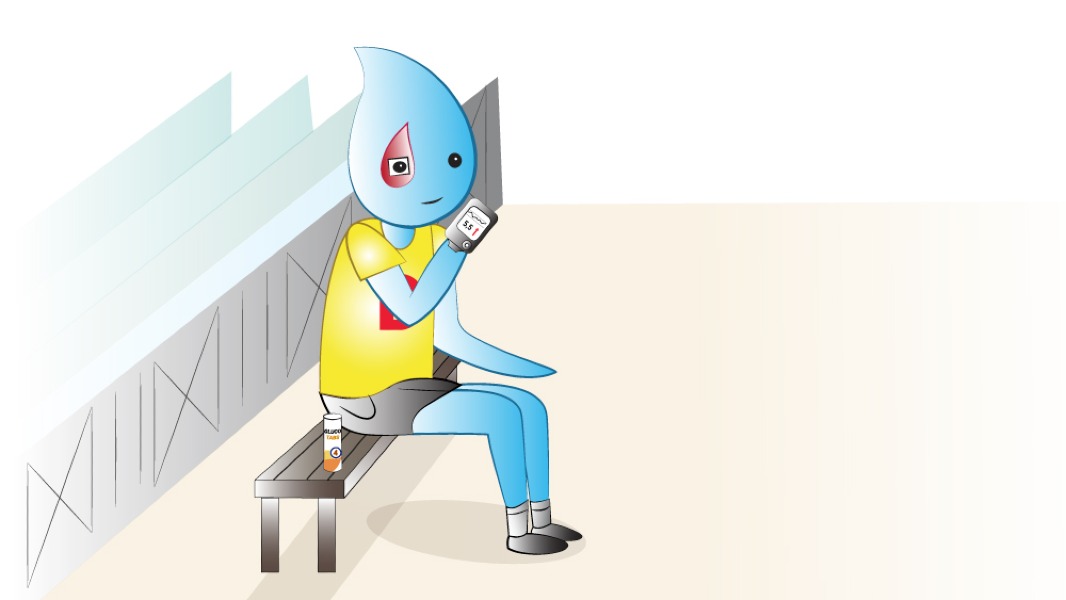
4-3 Preparing for Exercise with Type 1 Diabetes: What to Do Before You Start
Essential pre-workout steps for safe and confident physical activity
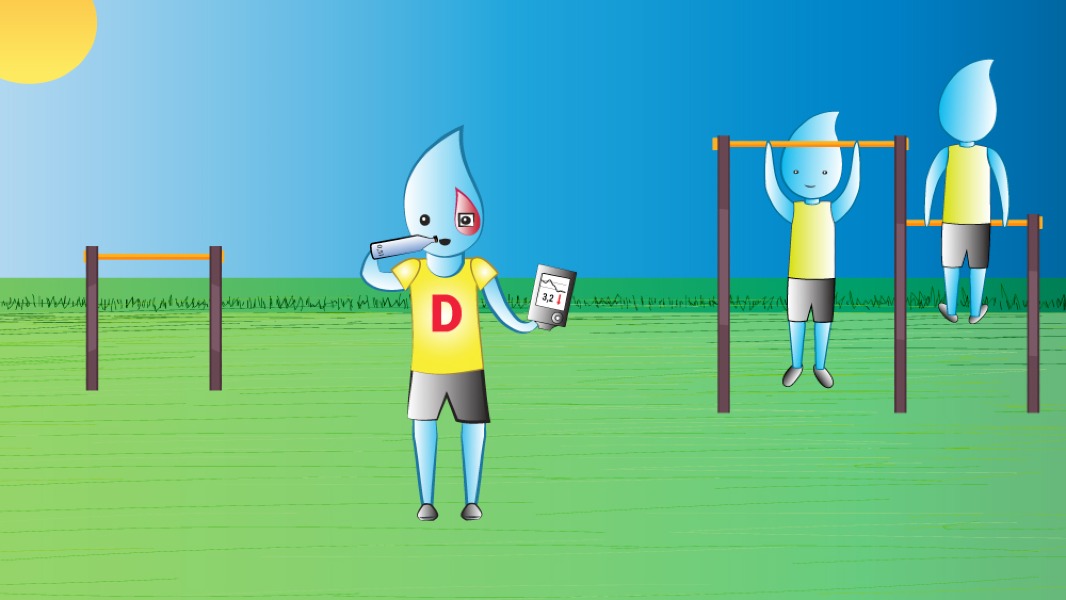
4-6-2 Reducing Hypoglycaemia During Exercise
Practical insulin and fueling strategies to prevent low blood glucose in sport
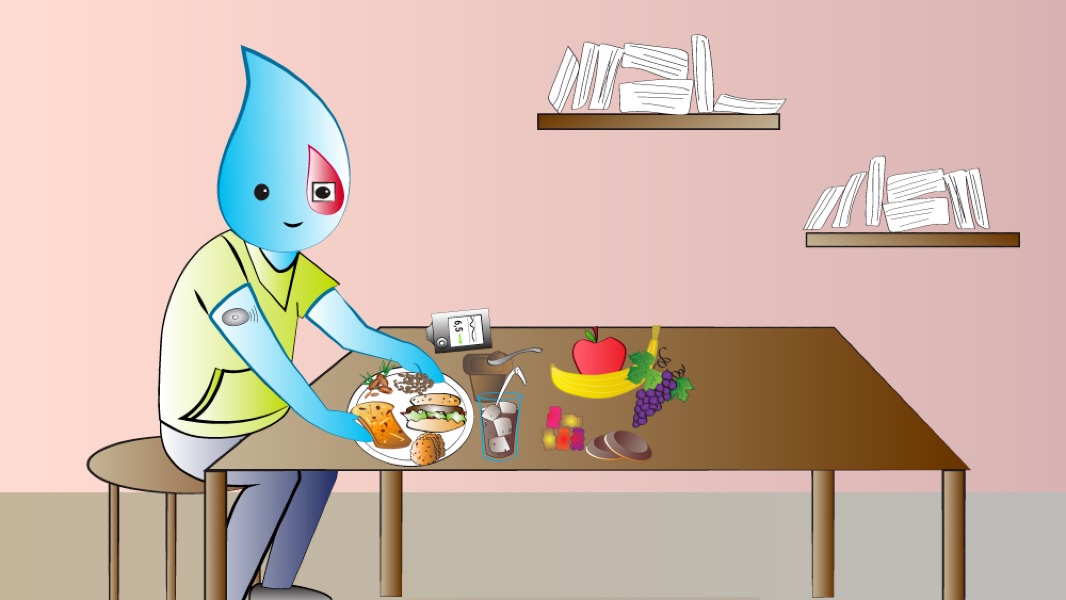
5-1-2 Glycemic impact
Understanding glycaemic index, carbohydrate timing, and fuel strategies in type 1 diabetes
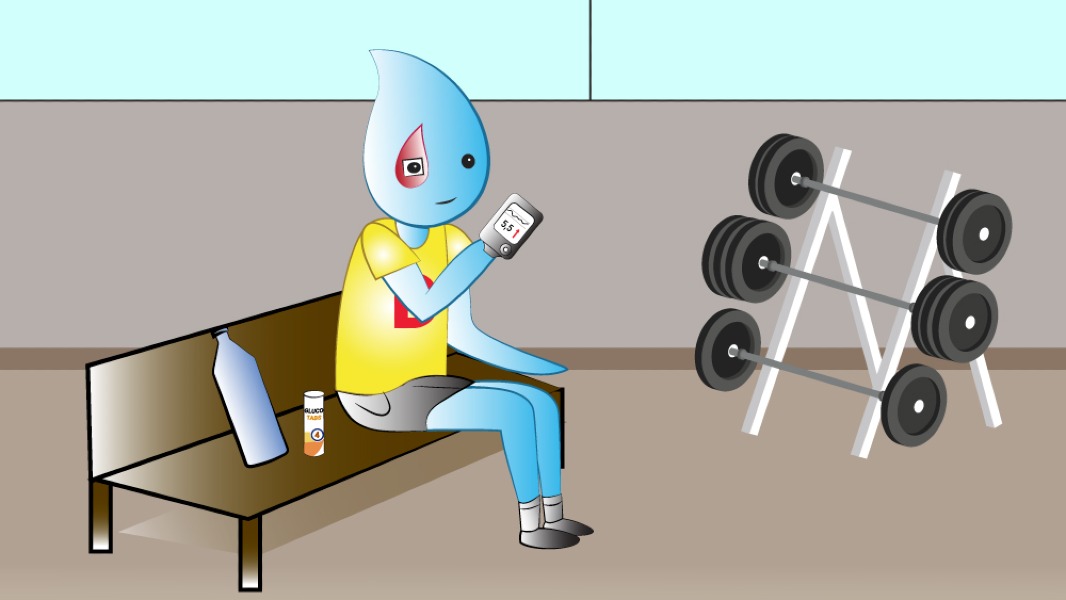
4-5 Recovering After Sport With Type 1 Diabetes
How to stabilise blood glucose, refuel, and prevent delayed hypoglycaemia
