3-3 Power mode: Anaerobic Exercise and sports
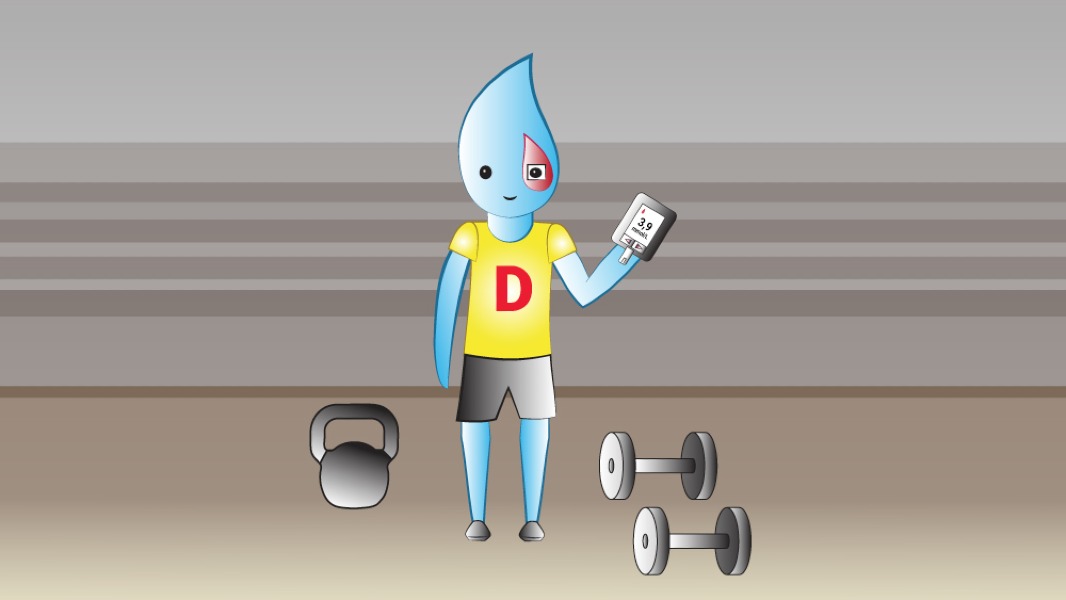
Managing blood glucose during strength training, sprinting, and high-intensity workouts
Anaerobic and high-intensity activities, such as weightlifting, sprinting, and high-intensity interval training (HIIT), affect blood glucose differently than endurance exercise. Understanding how these workouts influence glucose levels helps people with type 1 diabetes train safely and effectively. This guide explains common glucose patterns and practical strategies for managing blood sugar during and after anaerobic exercise.
Understanding Anaerobic Exercise and Glucose Response
Anaerobic exercise involves short bursts of high-intensity effort. During these activities, muscles rely on stored glycogen for rapid energy production.
Immediately after intense exercise, blood glucose levels may rise. This happens because stress hormones such as adrenaline stimulate the liver to release glucose into the bloodstream. This temporary increase is a normal physiological response.
Later, as hormone levels stabilise and muscles replenish glycogen stores, blood glucose may decrease. Some individuals experience delayed hypoglycaemia several hours after training.
Learning how your body responds to strength training, sprinting, or contact sports supports safer and more confident diabetes management.
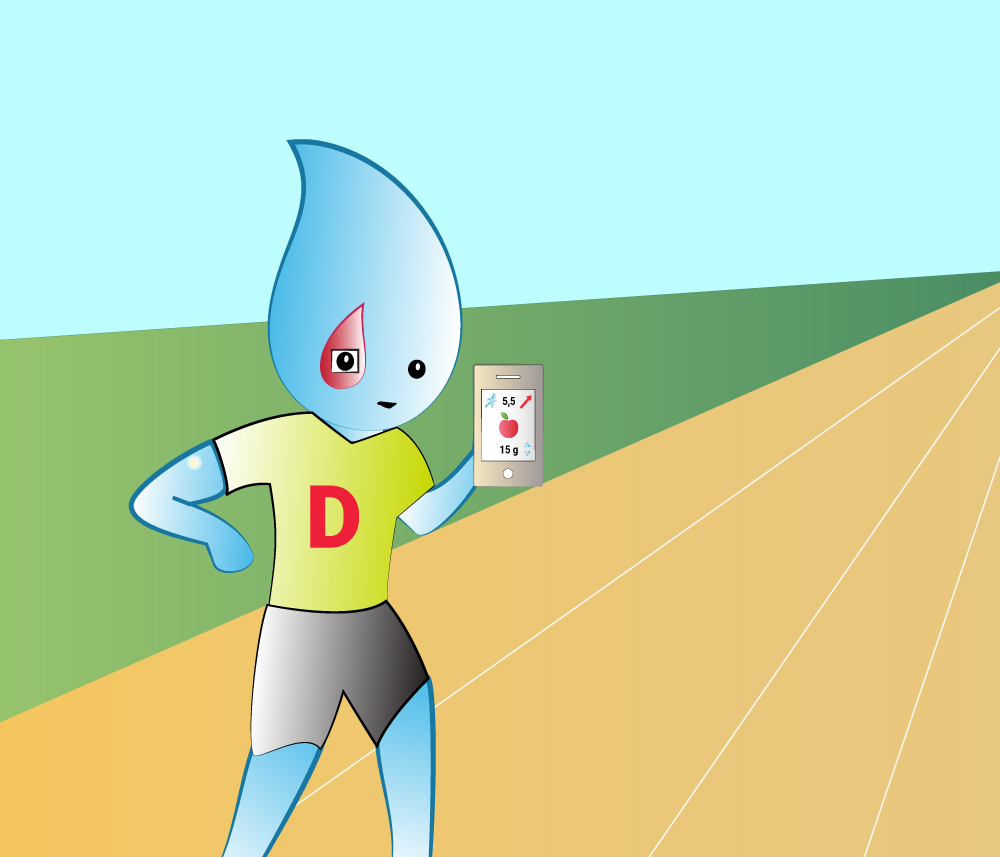
How Anaerobic Exercise Affects Blood Glucose
Common patterns include:
- Immediate glucose rise due to stress hormone release
- Delayed hypoglycaemia several hours after exercise
- Variable responses depending on workout intensity, duration, and insulin levels
- Monitoring glucose trends helps identify personal patterns.
Smart Blood Glucose Management for Anaerobic Workouts
Check Blood Glucose Before Exercise
- Aim for 5.5–10 mmol/L (100–180 mg/dL).
- If below 4 mmol/L, treat with fast-acting carbohydrates and wait before starting.
- If above 14 mmol/L, check ketones and delay training if necessary.
Adjust Insulin Thoughtfully
- Some individuals may require small correction doses before training if glucose levels are high.
- If delayed lows occur frequently, post-exercise insulin adjustments may be needed.
- CGM systems can help track trends and guide decisions.
- Always discuss changes with a healthcare professional.
Fuel Appropriately
- Short anaerobic sessions typically do not require additional carbohydrates during exercise unless training exceeds 45–60 minutes.
- A balanced snack containing complex carbohydrates and protein before training may support stable energy levels.
Stay Hydrated
- Drink water before, during, and after exercise.
- Dehydration may worsen glucose variability.
Monitor After Exercise
- Increased insulin sensitivity may lead to delayed hypoglycaemia.
- Check glucose levels before sleep following intense sessions.
- A snack combining carbohydrates and protein may help stabilise overnight levels.
- If recurrent glucose fluctuations occur, review insulin dosing and nutrition strategies with your diabetes care team.
Anaerobic Sports and Diabetes – You’re in Control
Many individuals with type 1 diabetes successfully participate in weightlifting, sprinting, and high-intensity sports. With consistent glucose monitoring, appropriate insulin adjustments, and balanced nutrition, anaerobic training can be performed safely and effectively.
Related Articles
3-6-1 How Diabetes Affects Energy, Endurance, and Recovery
Understanding fuel use, performance, and recovery in active people with diabetes
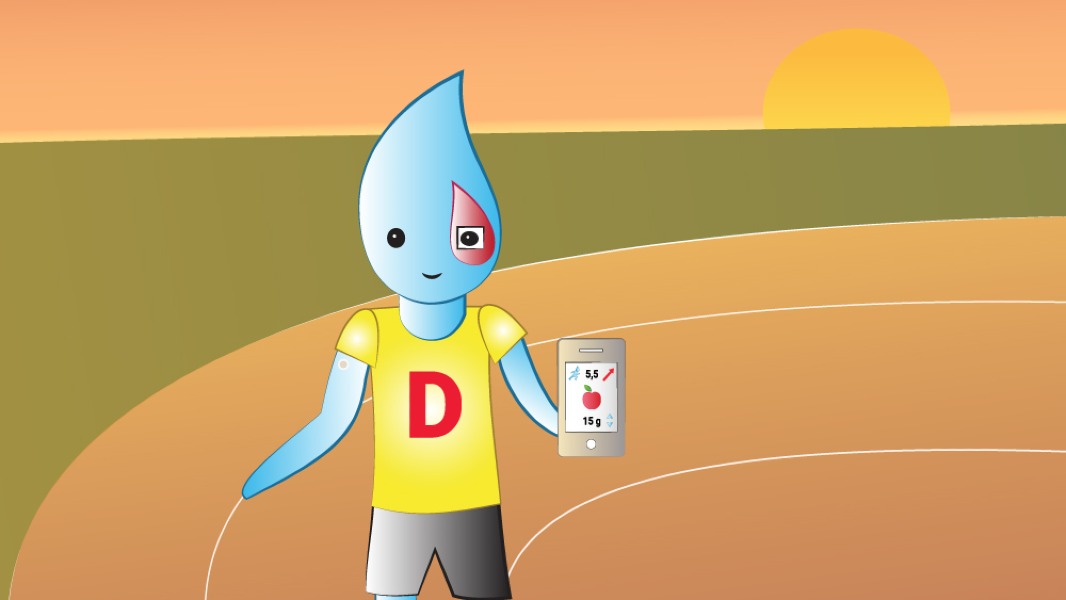
5-4-2 Beyond Insulin: How Hormones Shape Blood Glucose in Type 1 Diabetes
Understanding hormonal changes that affect glucose control during sport and daily life
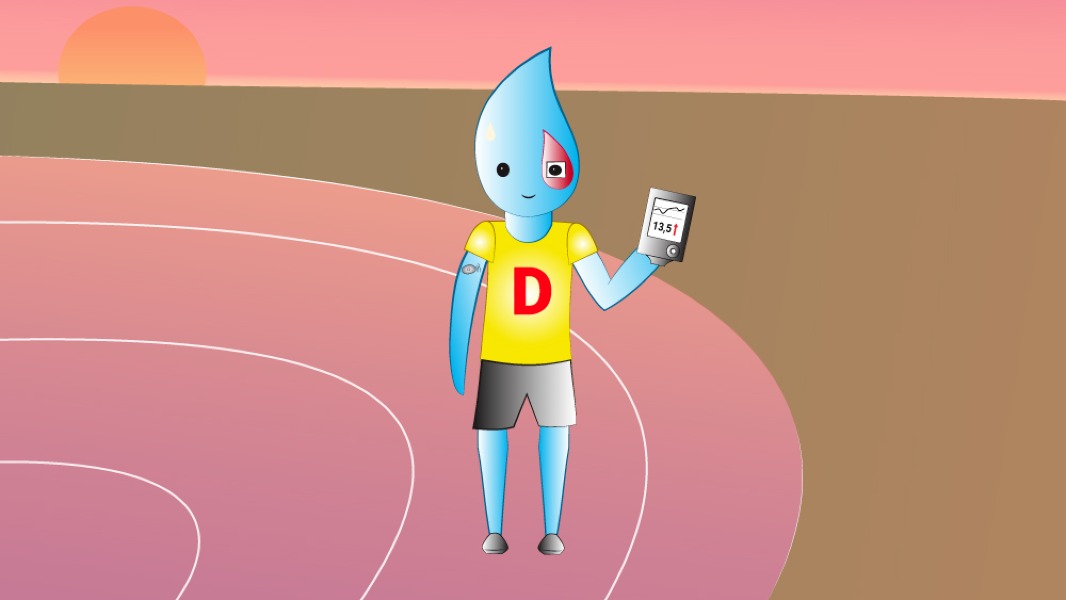
4-6-1 Reducing Hyperglycaemia During Exercise
Managing high blood glucose caused by stress hormones and insulin imbalance
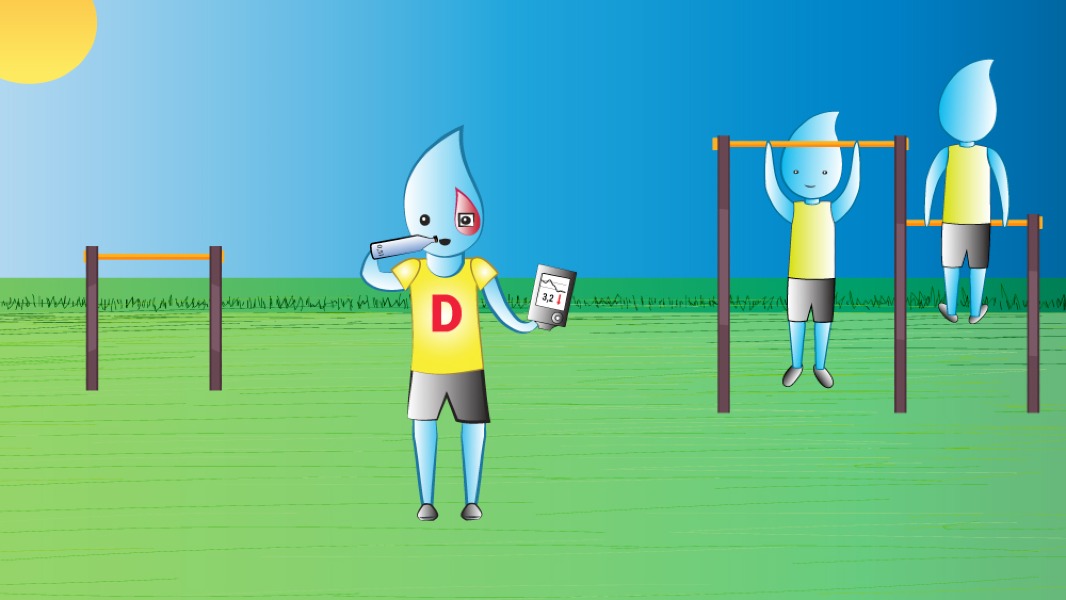
4-6-2 Reducing Hypoglycaemia During Exercise
Practical insulin and fueling strategies to prevent low blood glucose in sport
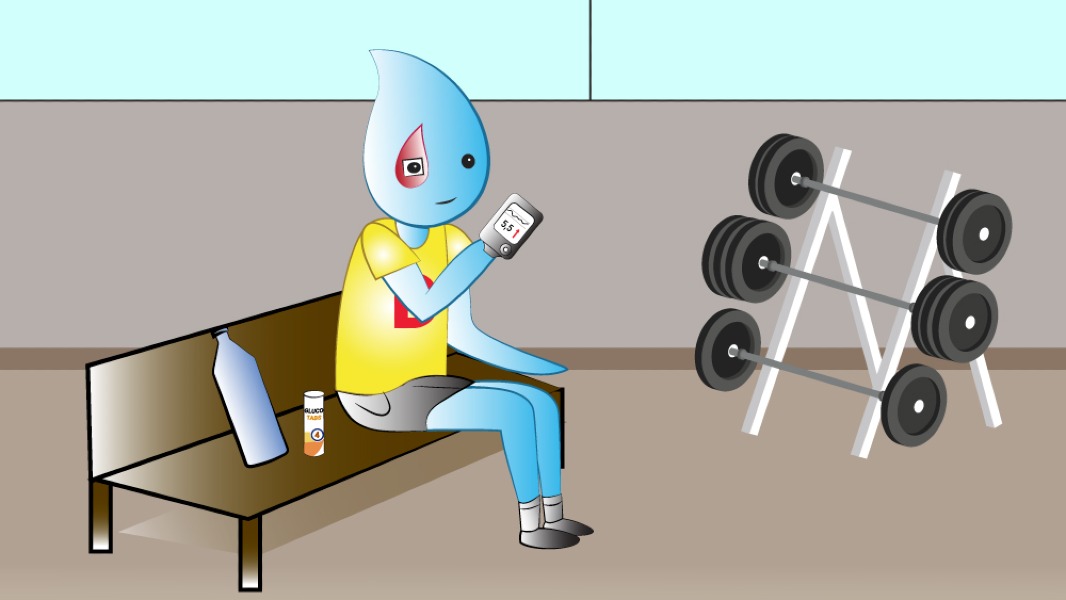
4-5 Recovering After Sport With Type 1 Diabetes
How to stabilise blood glucose, refuel, and prevent delayed hypoglycaemia
