3-6-1 How Diabetes Affects Energy, Endurance, and Recovery
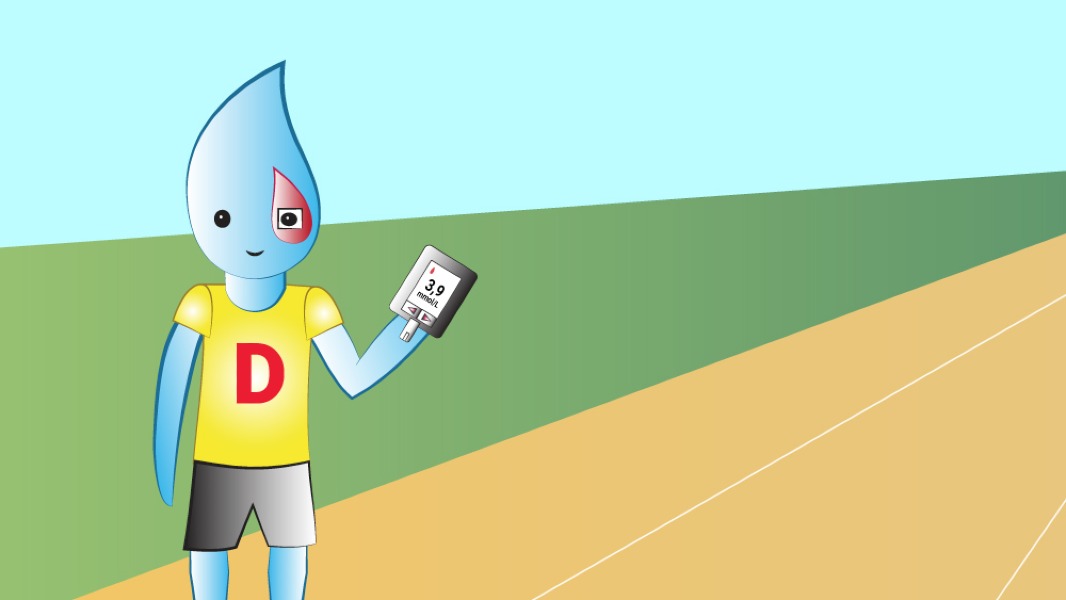
Understanding fuel use, performance, and recovery in active people with diabetes
Carbos, fats, and sometimes protein provide the energy needed for every workout. In people with type 1 diabetes, insulin levels, glucose management, and recovery habits play an additional role in shaping performance. This article explains how diabetes affects energy systems, endurance capacity, and post-exercise recovery, and provides practical strategies to support safe and effective training.
How Muscles Produce Energy
How Muscles Produce Energy
The body uses three main energy systems during physical activity:
- Phosphagen system (ATP and phosphocreatine):
Supports explosive movements lasting up to 15 seconds. - Anaerobic glycolysis:
Fuels short, intense efforts up to two minutes using blood glucose and muscle glycogen, producing lactate. - Aerobic metabolism:
Supports activity lasting several minutes to hours, using carbohydrates first and fats after prolonged exercise.
A trained 70 kg athlete typically stores around 160 g of liver glycogen and up to 700 g of muscle glycogen, while only about 5 g circulates in the blood at any time.
Short, intense activity may temporarily raise blood glucose, while longer moderate exercise often leads to gradual decreases. The liver maintains glucose supply through glycogen breakdown, glucose production, and absorbed dietary carbohydrates.
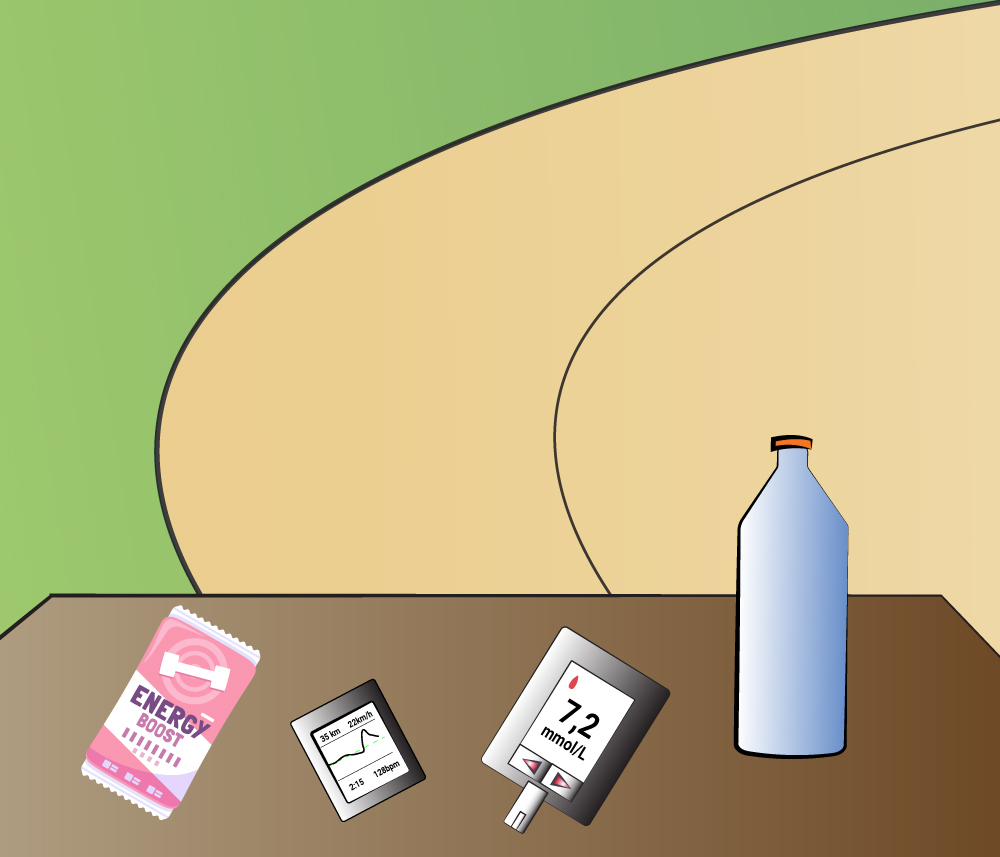
How Type 1 Diabetes Influences Performance
With good glucose control, people with type 1 diabetes can achieve normal strength, endurance, and recovery. Blood glucose within target range supports efficient energy production and muscle recovery.
Poor glucose control may delay glycogen replenishment and reduce endurance capacity.
The Role of Insulin Balance
Insulin levels strongly influence performance:
- High insulin levels:
Increase hypoglycaemia risk by limiting liver glucose release and increasing muscle uptake. - Low insulin levels:
May cause hyperglycaemia and ketone production due to excessive glucose release.
Maintaining balanced insulin dosing is essential for stable energy supply.
Real-Life Training Considerations
Athletes with type 1 diabetes often adjust carbohydrate intake and insulin dosing during competitions and long training sessions. Many consume high carbohydrate amounts while reducing bolus insulin to prevent lows, but delayed hypoglycaemia may still occur.
Tracking personal responses helps identify optimal carbohydrate-to-insulin ratios.
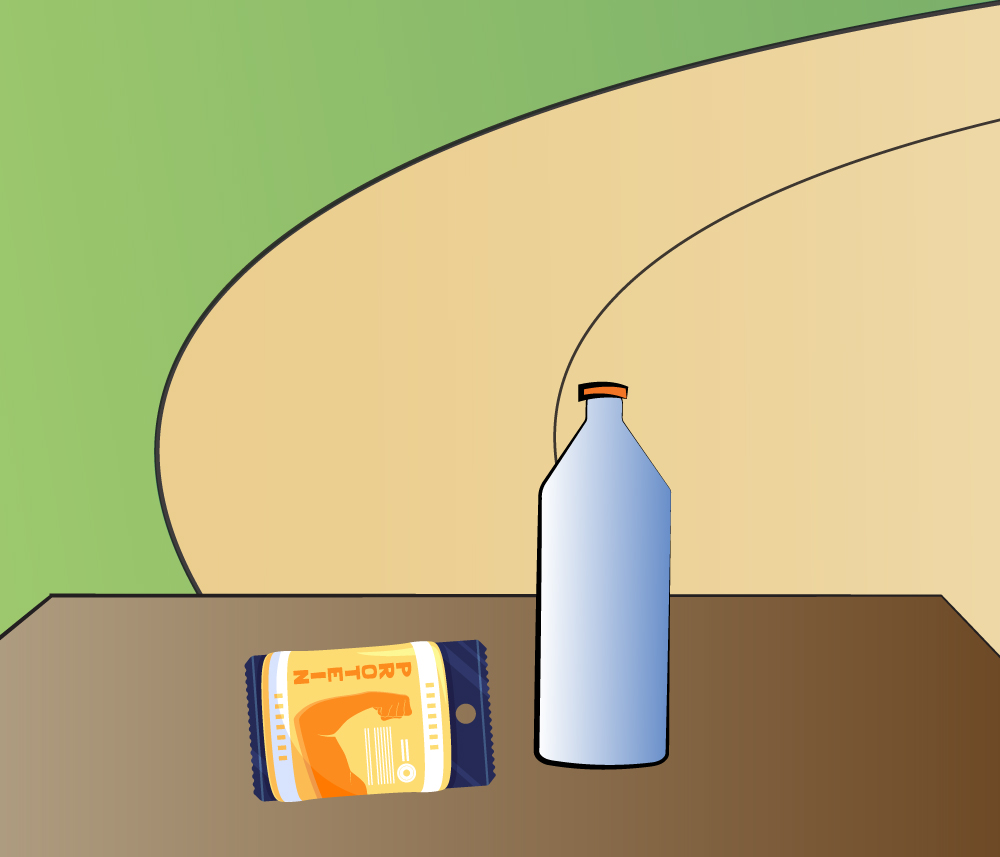
Step-by-Step Performance Strategies
1. Before Exercise: Start in Range
- Aim for 5.5–10 mmol/L (100–180 mg/dL).
- If below 4 mmol/L, take 15 g of fast-acting carbohydrates and recheck.
- If above 14 mmol/L, hydrate, check ketones, and delay exercise if needed.
2. Short Sessions (≤ 60 Minutes)
- Maintain hydration.
- Use fast-acting carbohydrates only if glucose is falling.
3. Long Sessions (> 60 Minutes)
- Consume 15–30 g of carbohydrates per hour.
- Use pump exercise mode or temporary basal reduction (10–50%) if appropriate.
- Add electrolytes in hot conditions.
4. After High-Intensity Exercise
- Recheck glucose after 30 minutes.
- Consider a small correction dose if levels remain elevated.
5. Evening and Overnight Recovery
- Eat a snack with protein and slow-release carbohydrates (for example, yogurt with oats).
- Adjust basal insulin or set CGM low alerts to prevent delayed hypoglycaemia.
Supporting Long-Term Recovery
Adequate sleep, balanced nutrition, hydration, and regular glucose monitoring all contribute to faster recovery and improved training adaptation.
With consistent management and personalised strategies, people with type 1 diabetes can maintain strong energy levels, endurance, and recovery capacity.
Related Articles
5-1-1 Smart Sports Nutrition for People with Type 1 Diabetes
How to fuel your body for stable blood glucose and better performance
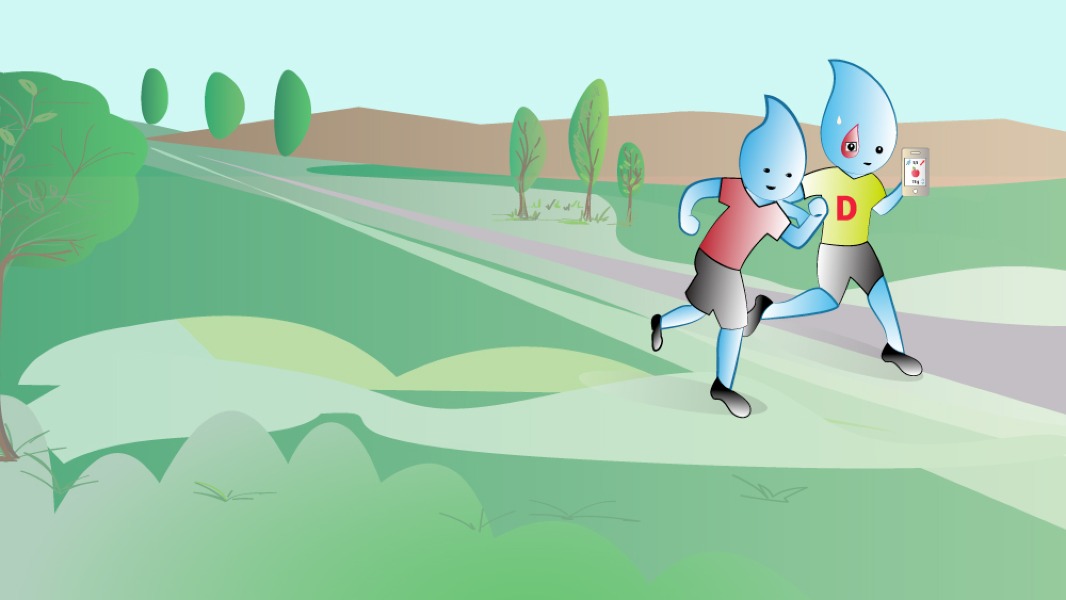
3-2 Endurance and Aerobic Exercise with Type 1 Diabetes
How to stay safe, balanced, and confident during long-distance and aerobic activities
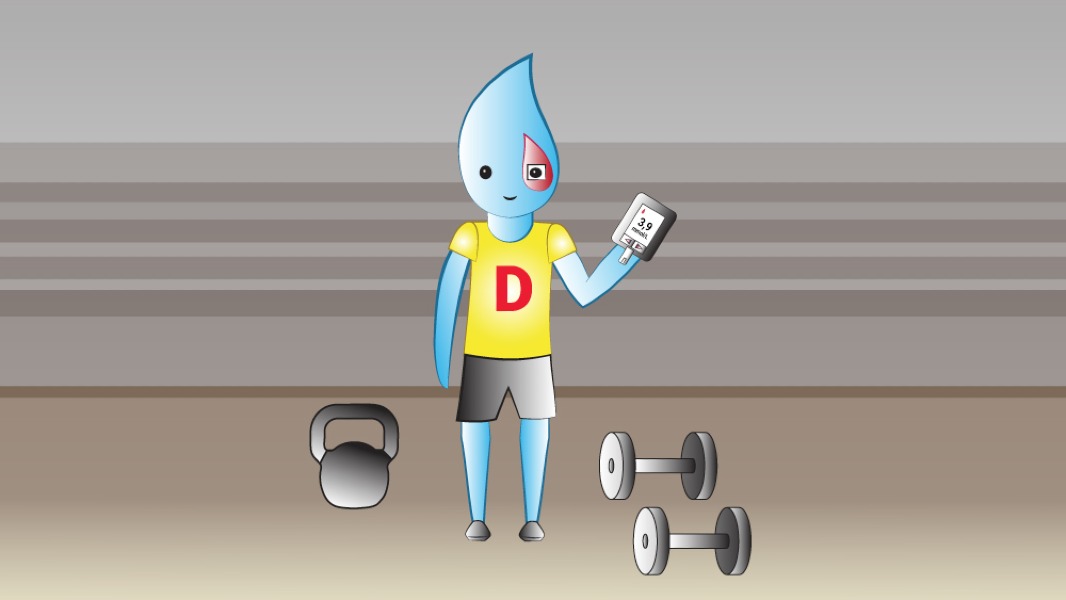
3-3 Power mode: Anaerobic Exercise and sports
Managing blood glucose during strength training, sprinting, and high-intensity workouts
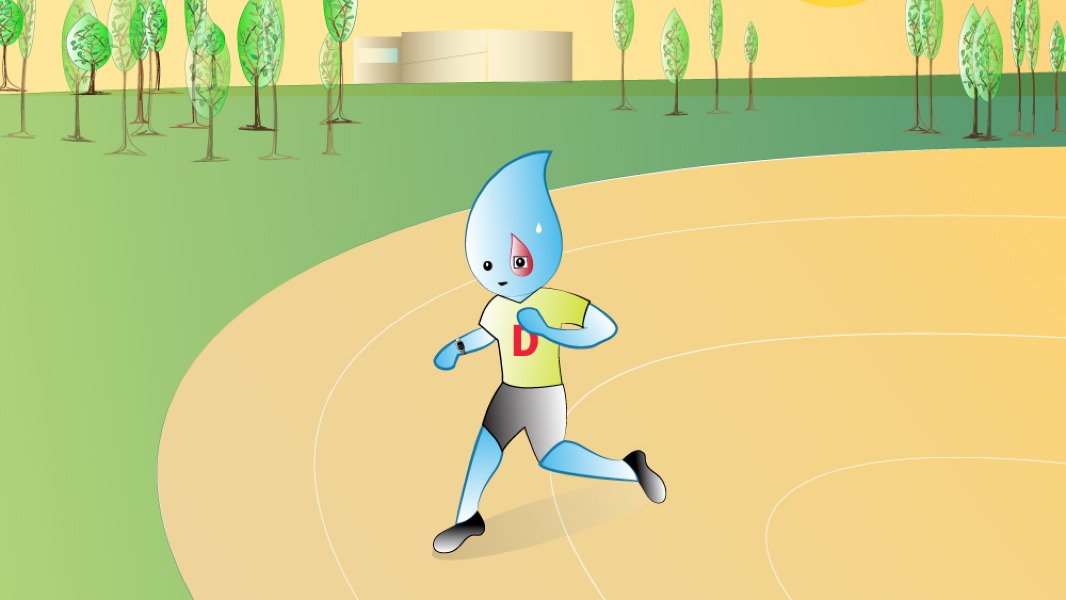
3-4 Managing Blood Glucose During Mixed Exercise
Balancing aerobic and anaerobic activity for stable blood sugar control
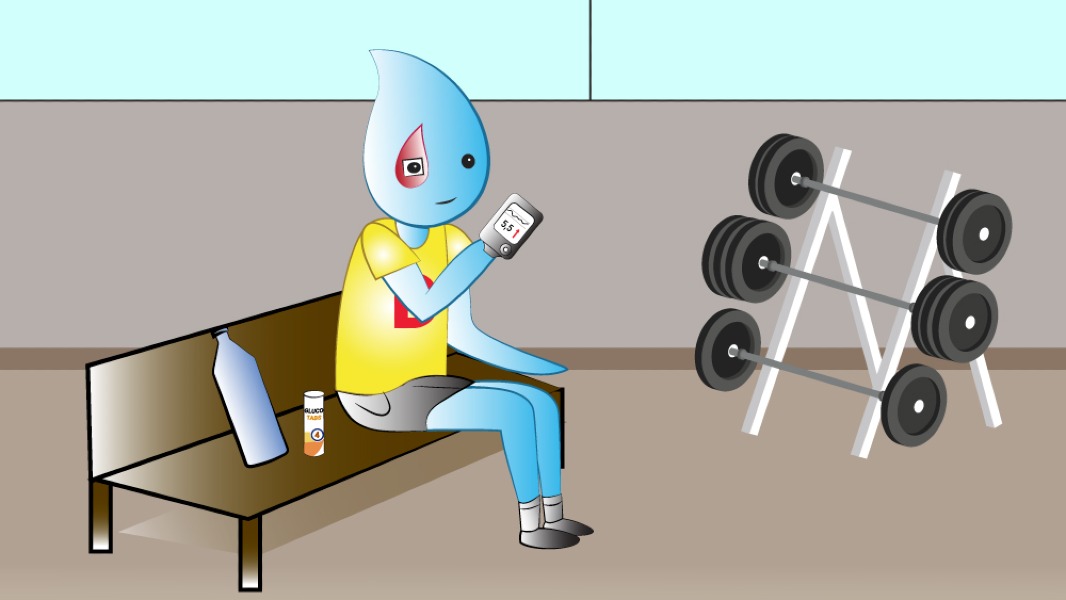
4-5 Recovering After Sport With Type 1 Diabetes
How to stabilise blood glucose, refuel, and prevent delayed hypoglycaemia
