5-4-2 Beyond Insulin: How Hormones Shape Blood Glucose in Type 1 Diabetes
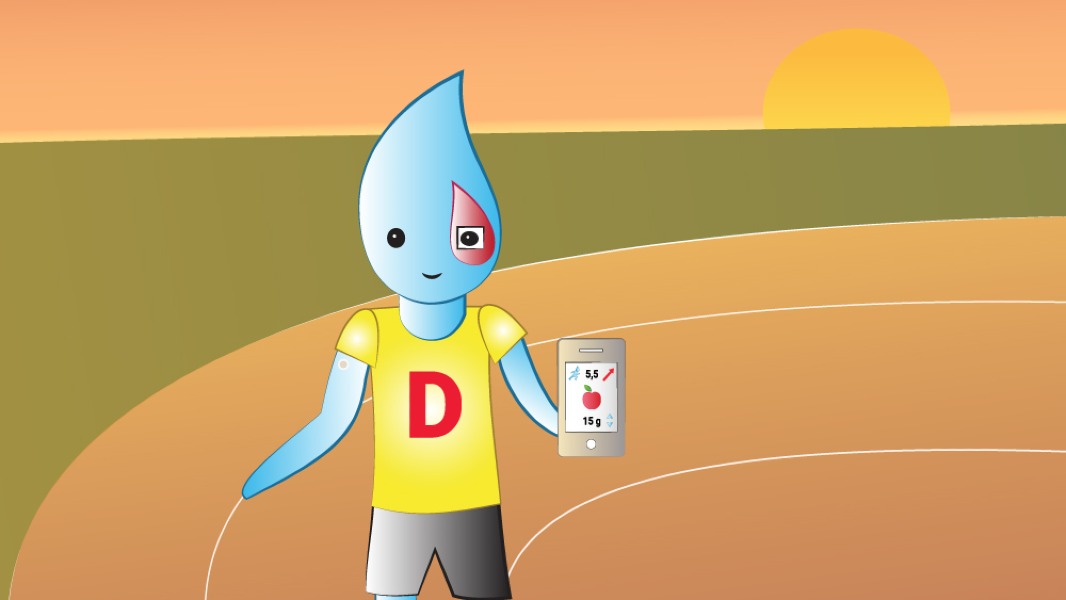
Understanding hormonal changes that affect glucose control during sport and daily life
Insulin is essential for managing type 1 diabetes, but it is not the only hormone that influences blood glucose. Growth hormone, cortisol, sex hormones, thyroid hormones, and vitamin D-related pathways can all affect insulin sensitivity and glucose regulation. These effects are especially noticeable during puberty, stress, illness, and intense training. This guide explains how hormonal changes influence blood sugar and how active individuals can adapt their diabetes management safely and confidently.
How Hormones Influence Blood Glucose
Blood glucose regulation depends on the balance between insulin and several other hormones. These hormones affect how efficiently glucose enters cells, how much glucose the liver releases, and how the body responds to physical and emotional stress.
During adolescence, illness, exam periods, or competitive seasons, hormonal fluctuations may cause unexpected glucose patterns. These changes are normal, but they require careful monitoring and flexible management strategies.
Understanding hormonal influences helps individuals adjust insulin dosing, nutrition, and training routines more effectively, rather than relying on trial and error.
Puberty, Stress, and Hormonal Variability
During puberty, growth hormone secretion increases significantly. This reduces insulin sensitivity and often leads to higher overnight and morning glucose levels. Many adolescents require higher basal insulin doses and more frequent monitoring.
Stress-related hormones, such as cortisol and adrenaline, increase during competitions, academic pressure, illness, and emotional challenges. These hormones stimulate glucose release from the liver and reduce insulin effectiveness.
Sex hormones, thyroid hormones, and vitamin D-related pathways further influence glucose regulation and may contribute to long-term variability.
Hormone-Related Glucose Patterns and Management
Growth Hormone During Puberty
Growth hormone peaks between 2:00 and 3:00 a.m., often causing early-morning glucose rises (dawn phenomenon).
Practical approach:
- Consider adjusting overnight basal insulin
- Use CGM trend analysis between 3:00 and 8:00 a.m.
- Discuss bedtime snacks and basal settings with healthcare providers
Oestrogen and Progesterone
Hormonal changes during the menstrual cycle may affect insulin sensitivity, especially in the second half of the cycle.
Practical approach:
- Track menstrual cycle alongside CGM data
- Review patterns regularly
- Adjust insulin doses when consistent trends appear
Testosterone in Males
Low testosterone levels may worsen insulin resistance and contribute to persistent hyperglycaemia and fatigue.
Practical approach:
- Consider hormone testing if unexplained highs persist
- Review results with an endocrinologist
Cortisol From Stress or Medication
Cortisol increases during psychological stress, infections, injuries, and corticosteroid treatment.
Practical approach:
- Monitor glucose more frequently
- Use temporary basal increases when recommended
- Maintain hydration
- Check ketones during prolonged hyperglycaemia
Thyroid Hormones
Both hyperthyroidism and hypothyroidism can impair insulin sensitivity and glucose stability.
Practical approach:
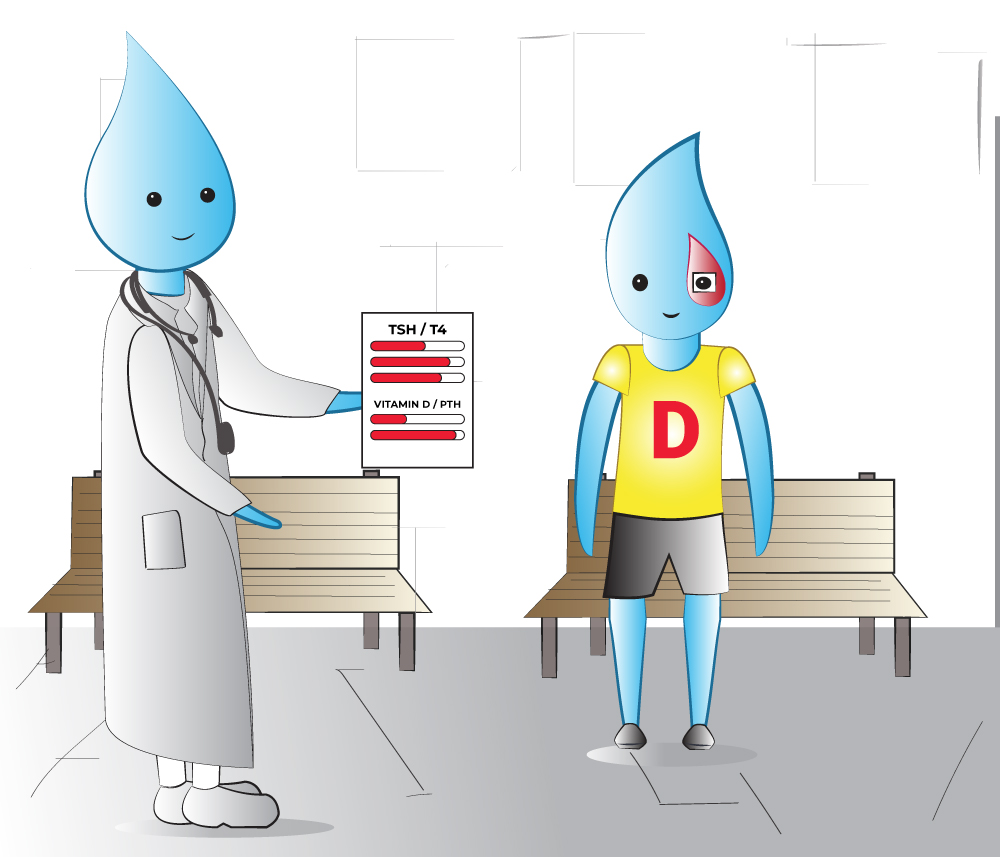
- Test TSH and free T4 at least annually
- Adjust insulin after thyroid levels stabilise
Parathyroid Hormone and Vitamin D
Low vitamin D levels and elevated parathyroid hormone may reduce insulin sensitivity.
Practical approach:
- Check vitamin D and PTH if glucose variability is unexplained
- Supplement vitamin D when deficient
Rare Adrenal Tumours (Pheochromocytoma)
Rare adrenal tumours can cause extreme glucose spikes due to excess adrenaline release.
Practical approach:
- Seek medical evaluation if severe unexplained hyperglycaemia occurs with high blood pressure and palpitations
Practical Management Strategies
To manage hormone-related glucose changes:
- Keep a record of stress, illness, menstrual cycle, training load, and medications
- Review CGM trends regularly
- Adjust insulin and carbohydrate intake before high-stress events
- Maintain regular physical activity to support insulin sensitivity
- Schedule hormonal and metabolic screening when patterns persist
- Work closely with an endocrinologist for long-term adjustments
With structured monitoring and personalised planning, hormone-related glucose fluctuations can be managed effectively.
Mastering the hormonal influences on blood glucose allows insulin therapy to work more efficiently, supporting stable performance, recovery, and long-term health.
Related Articles
5-5-2 Exercise and the Honeymoon Phase in Type 1 Diabetes
How to train and compete safely during remission and protect long-term glucose control
2-4-1 What is Hyper and How to Manage It?
Understanding high blood sugar and staying safe during physical activity
5-4-5 Hormones and Co-Existing Conditions in Type 1 Diabetes
How thyroid, adrenal, and coeliac conditions affect blood glucose and performance
5-4-3 Menstrual Cycle, Sport, and Blood Glucose in Type 1 Diabetes
How hormonal changes influence insulin needs, training, and glucose control
4-6-1 Reducing Hyperglycaemia During Exercise
Managing high blood glucose caused by stress hormones and insulin imbalance
