3-1-1 Supporting Students with Type 1 Diabetes in Physical Education: What Teachers Need to Know
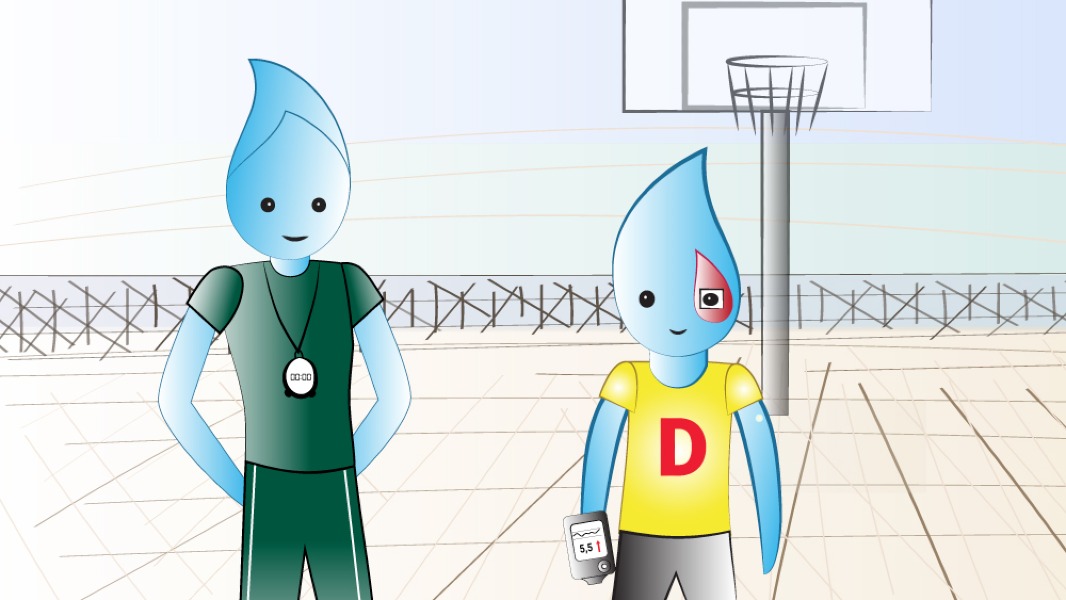
Practical guidance for PE teachers to ensure safe and inclusive participation
Physical education plays an important role in children’s physical, social, and emotional development. Students with type 1 diabetes can fully participate in sports and school activities when they receive appropriate support. This guide provides practical information for PE teachers on recognising blood glucose changes, responding to emergencies, and creating a safe and inclusive learning environment.
Understanding Diabetes in the PE Setting
Students with type 1 diabetes can take part in all physical activities, but exercise may affect their blood glucose levels. Physical activity can sometimes cause blood sugar to drop quickly or, in some cases, lead to temporary increases.
For this reason, PE teachers should be familiar with the basic signs of hypoglycaemia (low blood sugar) and hyperglycaemia (high blood sugar) and understand how to respond appropriately during lessons and sports activities.
Open communication between teachers, students, and school health staff is essential for safe participation.
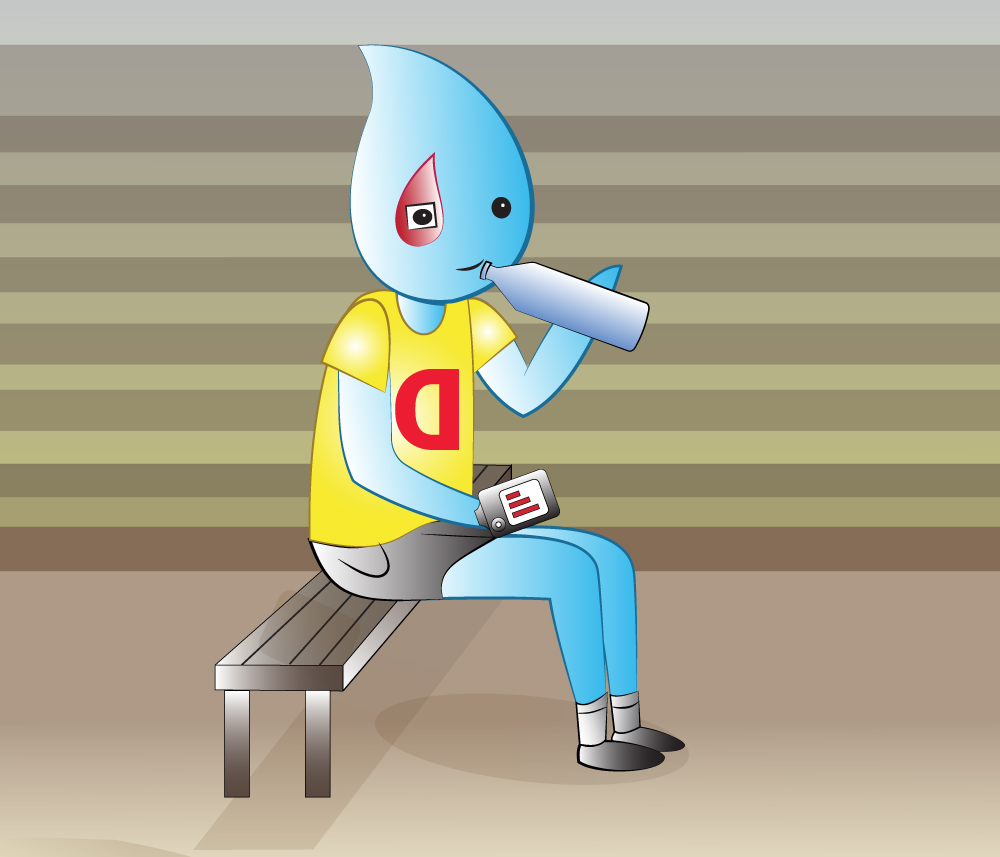
Key Things PE Teachers Should Know
Blood Sugar Fluctuations
Physical activity may require students to check their glucose levels before, during, or after class. Teachers should allow time and space for this when needed.
Recognizing Hypoglycaemia
Common symptoms include:
- Shakiness
- Dizziness
- Sweating
- Confusion
- Weakness
Each student may experience low blood sugar differently. If symptoms appear, the student should check their glucose and take fast-acting carbohydrates, such as juice or glucose tablets, if required.
Recognizing Hyperglycaemia
Symptoms may include:
- Increased thirst
- Frequent urination
- Fatigue
- Headache
If blood sugar is high, the student may need water, rest, and insulin according to their care plan.
Emergency Action Plan
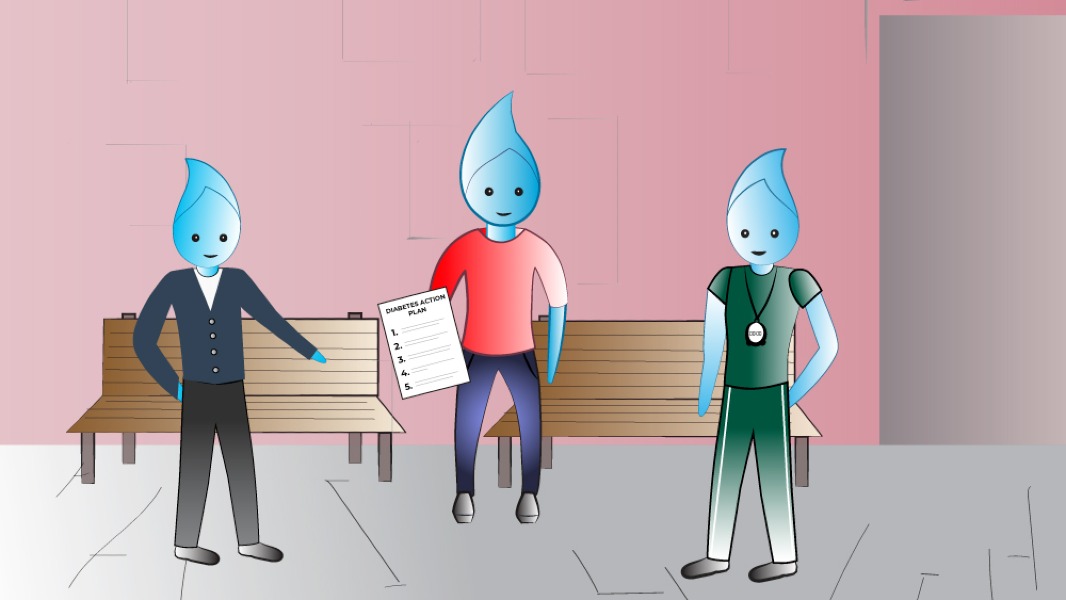
PE teachers should be familiar with each student’s diabetes management plan, developed together with parents and school health professionals. This includes clear instructions on when and how to act in emergencies.
Allowing Snack and Water Breaks
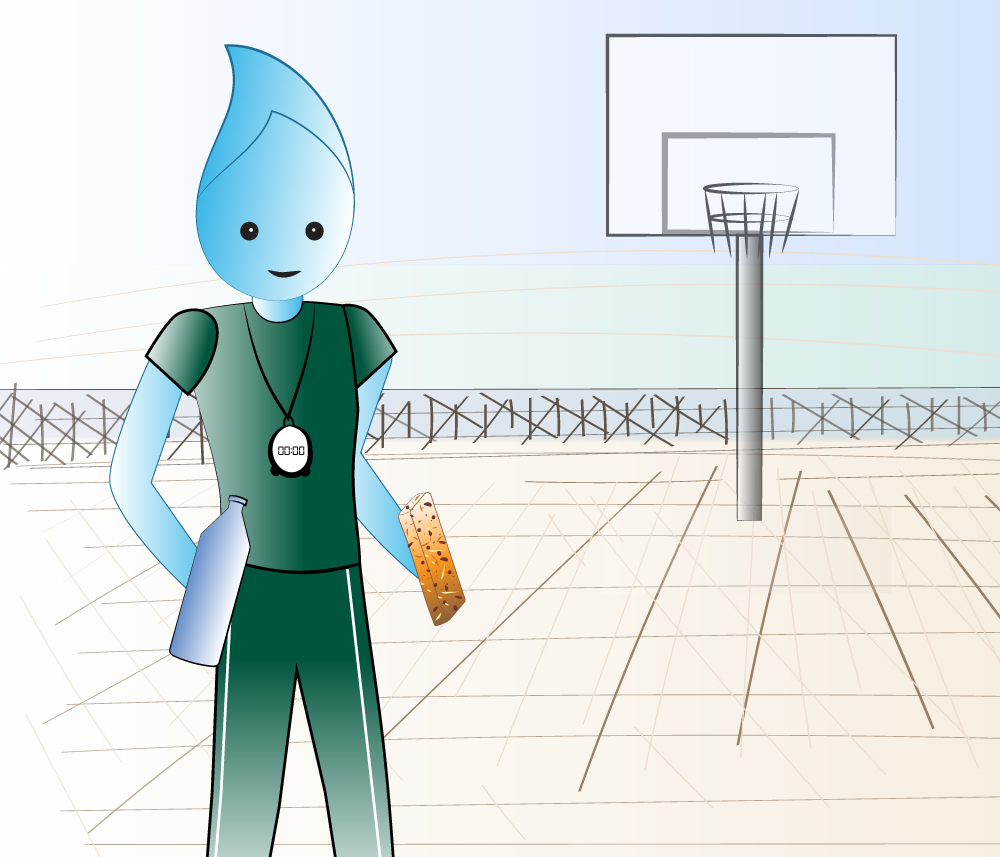
Students may need snacks before or during class to prevent hypoglycaemia. Regular hydration is also essential for glucose stability.
Understanding Technology
Many students use insulin pumps and continuous glucose monitors (CGMs). These devices support glucose management and should not limit participation in physical activities.
Encouraging Open Communication
Students should feel comfortable telling teachers when they need to check glucose levels, take a break, or treat high or low blood sugar.
Best Practices for PE Teachers
- Be prepared: Keep fast-acting carbohydrates, such as glucose tablets or juice, available in the gym or field.
- Respond early: If a student feels unwell, allow them to stop and check glucose immediately.
- Promote safe participation: Encourage full involvement while respecting individual needs and adjustments.
- Create a supportive environment: Educate classmates about diabetes to reduce stigma and promote inclusion.
- Work as a team: Communicate regularly with parents and healthcare staff.
With appropriate preparation and awareness, PE teachers can help students with diabetes stay active, confident, and safe during physical education.
Related Articles
6-3-3 How to Talk to Coaches and Teachers
Building cooperation, trust, and safety in school and sports environments
6-1-2 Talking to Teachers
How to communicate your needs at school and create a supportive learning environment
4-2-1 Blood Glucose Monitoring and Bag Packing for Sports with Type 1 Diabetes
How to stay prepared, safe, and confident during physical activity
6-1-3 Talking to Coaches
How to communicate your needs and stay safe while training and competing
2-3-3 Severe Hypoglycaemia
Recognising, preventing, and responding to dangerous low blood glucose during physical activity
