5-4-3 Menstrual Cycle, Sport, and Blood Glucose in Type 1 Diabetes
How hormonal changes influence insulin needs, training, and glucose control
Hormonal changes during the menstrual cycle can significantly influence blood glucose patterns, insulin sensitivity, and physical performance in women with type 1 diabetes. While some experience minimal variation, others notice clear changes before or during menstruation. This article explains why these fluctuations occur and provides practical strategies to support stable glucose control and confident participation in sport throughout the month.
How the Menstrual Cycle Affects Blood Glucose
Every woman responds differently to hormonal changes. Some experience stable glucose levels across the entire cycle, while others notice predictable rises and drops.
The main hormonal driver is progesterone, which increases during the luteal phase (approximately 10–14 days before menstruation). Progesterone reduces insulin sensitivity and may lead to:
- Higher blood glucose levels
- Increased insulin requirements
- Stronger cravings for carbohydrates
- Reduced exercise motivation
If not managed properly, prolonged hyperglycaemia during this phase may increase the risk of ketone production. In rare cases, severe instability can lead to diabetic ketoacidosis.
When menstruation begins, progesterone levels fall rapidly. Insulin sensitivity often improves, which may increase the risk of hypoglycaemia if doses are not adjusted.
Understanding these patterns helps prevent unexpected highs and lows.

Common Cycle-Related Glucose Patterns
Typical changes may include:
- Higher glucose levels in the late luteal phase
- Increased insulin resistance before menstruation
- Improved sensitivity and lower glucose during menstruation
- Possible post-period hypoglycaemia
Tracking individual trends is essential, as not all women experience the same patterns.
Practical Strategies for Managing Blood Glucose
Track Your Cycle and Glucose Trends
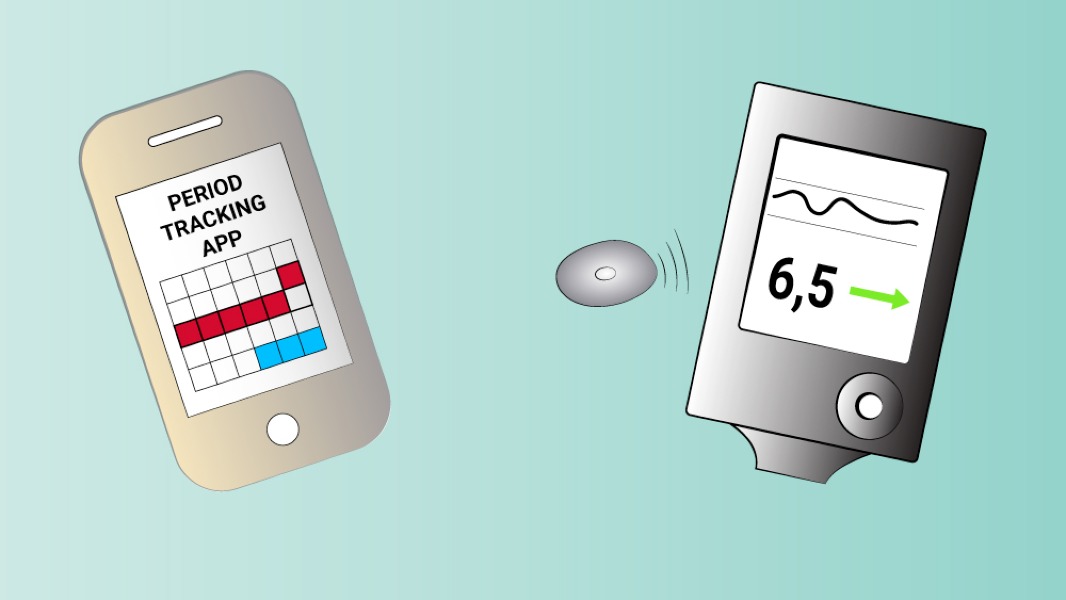
- Use CGM features or apps to mark cycle phases.
- Review glucose data 2–3 days before menstruation.
- Compare patterns across several months.
This improves predictability and planning.
Adjust Insulin When Needed
Many women require temporary insulin changes.
Common adjustments include:
- 10–30% increase in basal or bolus insulin during the late luteal phase
- Gradual reduction when menstruation begins
All changes should be reviewed with a healthcare professional.
Choose Supportive Nutrition
Hormonal hunger is common before menstruation. Choose balanced snacks combining carbohydrates and protein, such as:
- Berries with Greek yogurt
- Apple with nut butter
- Whole-grain toast with avocado
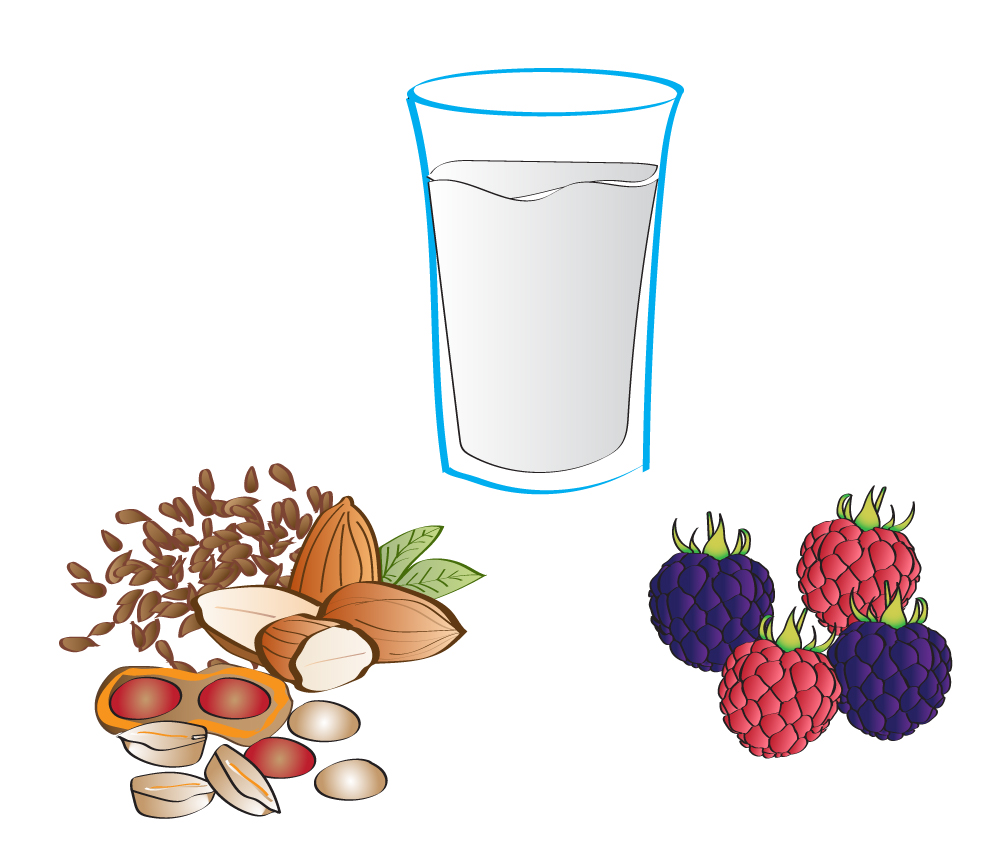
Include iron-rich foods (leafy greens, legumes, lean meat) to support monthly iron losses.
Move in a Cycle-Friendly Way
Regular physical activity improves insulin sensitivity and reduces cramps.
Helpful options include:
- Light to moderate cardio
- Yoga or stretching
- Low-impact strength training
Adjust intensity according to energy levels and symptoms.
Monitor Heavy or Irregular Cycles
Very heavy bleeding may temporarily affect insulin needs. Irregular cycles may be linked to unstable glucose control.
Tracking both menstrual and glucose data supports early problem detection.
Recognise Warning Signs
Seek medical advice if you notice:
- Severe cycle-related hyperglycaemia
- Frequent ketone production
- Recurrent unexplained hypoglycaemia
- Symptoms of hormonal imbalance
Further endocrine evaluation may be required.
Building Long-Term Confidence
With consistent monitoring, flexible insulin adjustments, balanced nutrition, and appropriate training modifications, menstrual cycle-related glucose changes can become predictable and manageable.
Understanding your body’s rhythm supports better performance, safety, and wellbeing.
Related Articles
5-4-5 Hormones and Co-Existing Conditions in Type 1 Diabetes
How thyroid, adrenal, and coeliac conditions affect blood glucose and performance
5-4-2 Beyond Insulin: How Hormones Shape Blood Glucose in Type 1 Diabetes
Understanding hormonal changes that affect glucose control during sport and daily life
4-6-2 Reducing Hypoglycaemia During Exercise
Practical insulin and fueling strategies to prevent low blood glucose in sport
4-5 Recovering After Sport With Type 1 Diabetes
How to stabilise blood glucose, refuel, and prevent delayed hypoglycaemia

3-6-1 How Diabetes Affects Energy, Endurance, and Recovery
Understanding fuel use, performance, and recovery in active people with diabetes
