5-1-3 Staying Hydrated: Preventing Dehydration in Sports with Type 1 Diabetes
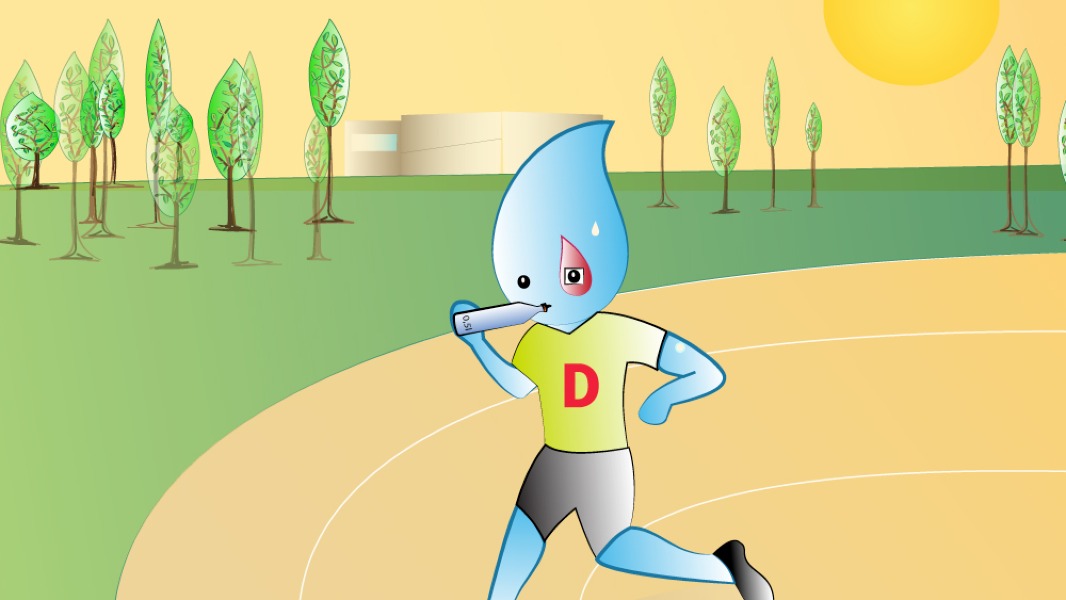
How proper hydration supports blood glucose control and athletic performance
Adequate hydration plays a key role in blood glucose regulation, physical performance, and overall safety for people living with type 1 diabetes. Fluid loss through sweating and breathing can concentrate blood glucose and increase the risk of hyperglycaemia and ketone formation. This guide explains why hydration is essential and provides practical strategies to prevent dehydration before, during, and after exercise.
How Dehydration Affects Blood Glucose
Dehydration occurs when fluid loss exceeds fluid intake. During exercise, water is lost through sweating, breathing, and urination.
In people with type 1 diabetes, reduced blood volume leads to higher glucose concentration. This makes it harder for the kidneys to remove excess glucose and increases the risk of hyperglycaemia and ketone production.
Poor hydration may also reduce physical endurance, impair concentration, and delay recovery.
Maintaining adequate fluid intake before, during, and after activity supports stable energy levels and smoother glucose patterns.
Why Water Matters for Glucose Control
Low fluid levels reduce plasma volume and increase blood glucose concentration. As glucose rises, the kidneys become less effective at clearing excess sugar.
Combined with heat and physical exertion, dehydration may lead to headaches, fatigue, reduced performance, and, in severe cases, diabetic ketoacidosis (DKA).
For this reason, hydration is an essential part of safe diabetes management in sport.
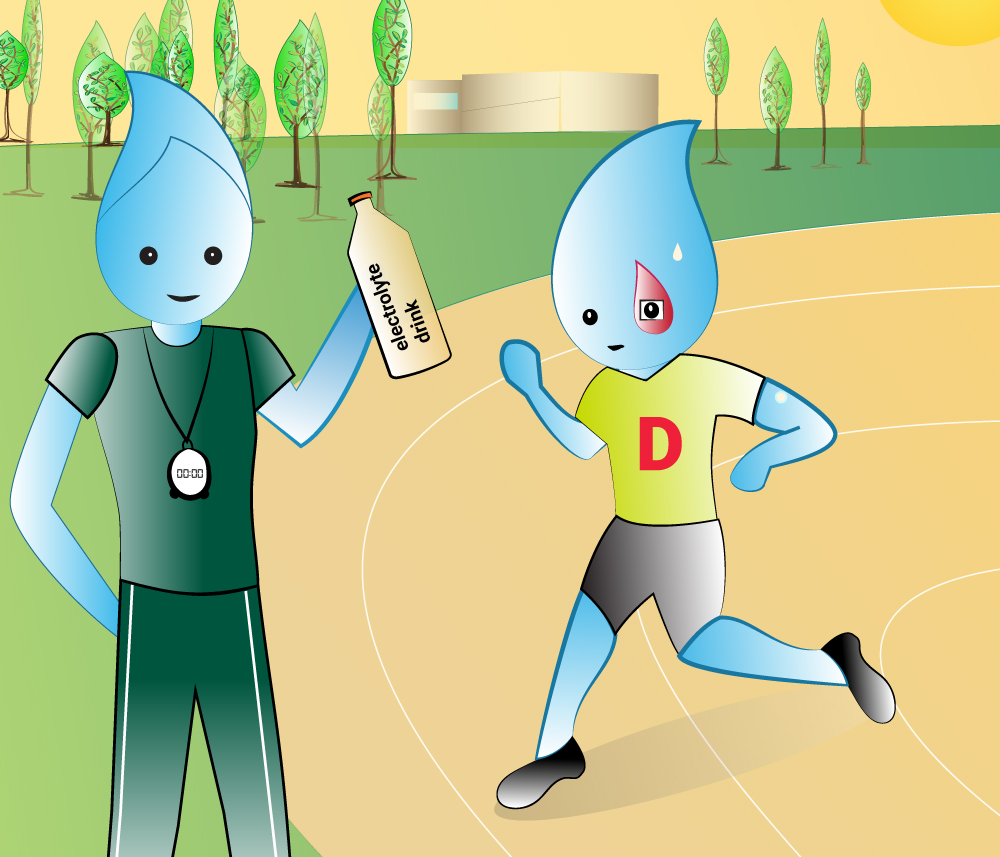
5 Hydration Hacks
1. Preload Before Exercise
Drink approximately 500 ml of water 1–2 hours before activity. Begin training hydrated rather than waiting until you feel thirsty.
2. Check and Hydrate
Check blood glucose before starting exercise.
If levels are elevated, drink water first and check for ketones when appropriate before continuing.
3. Follow the 15–20 Minute Rule
During activity, drink small amounts every 15–20 minutes.
For sessions longer than 60 minutes or in hot conditions, consider electrolyte drinks to replace sodium and support hydration.
4. Recognise Early Warning Signs
- Symptoms of dehydration include:
- Dry mouth
- Dark-coloured urine
- Dizziness
- Fatigue
If these occur, stop activity and hydrate immediately. Teammates and coaches should be aware of these signs.
5. Refill and Recover After Exercise
After training, aim to replace fluid losses. A practical guide is to drink approximately 1.5 times the body weight lost during exercise.
Pair fluids with a carbohydrate and protein snack to support glucose stability and muscle recovery.
Safety Check for High Blood Glucose
If blood glucose is above 14 mmol/L (250 mg/dL):
- Check ketones
- Increase fluid intake
- Delay exercise if ketones are present
- Follow medical guidance if levels remain high
High glucose combined with dehydration increases the risk of serious complications.
With regular hydration, frequent monitoring, and early response to warning signs, people with type 1 diabetes can maintain performance, reduce glucose fluctuations, and recover more effectively.
Related Articles
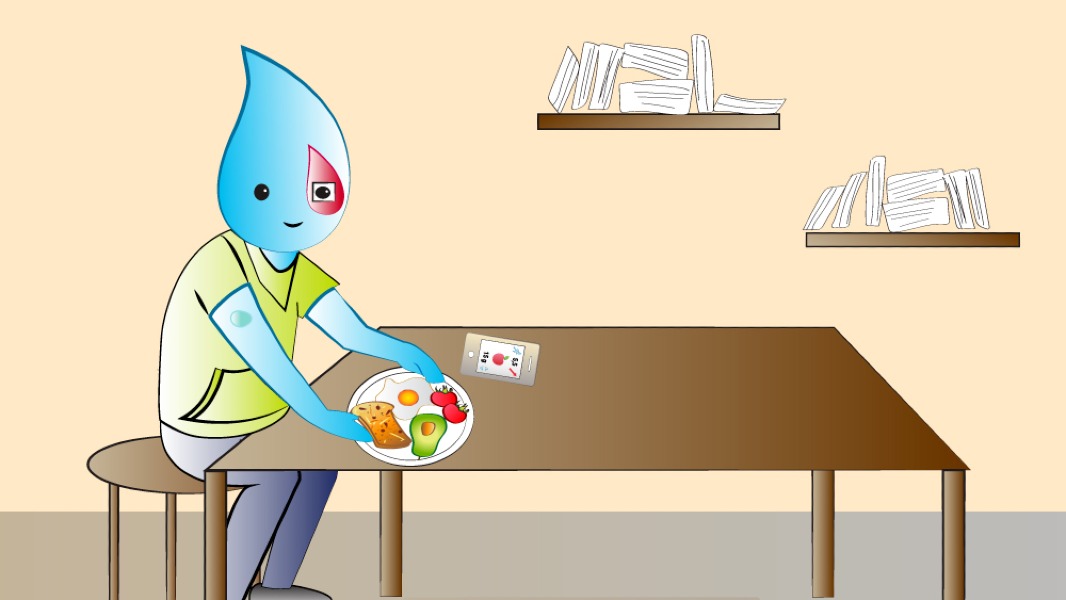
5-1-1 Smart Sports Nutrition for People with Type 1 Diabetes
How to fuel your body for stable blood glucose and better performance
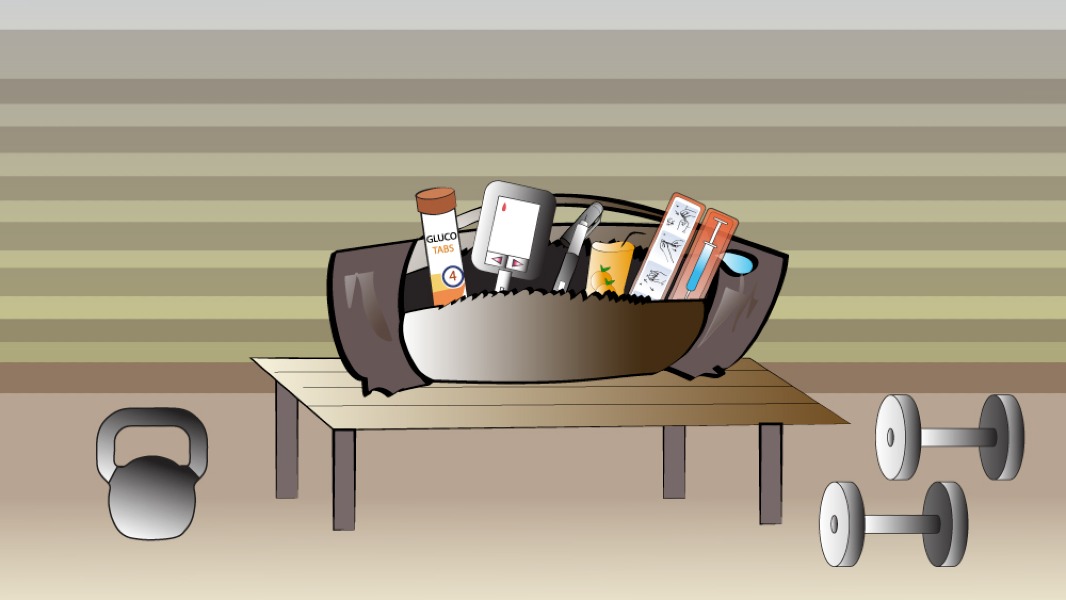
1-4 Diabetes Essentials: What to Always Carry
Be prepared for exercise, travel, and everyday activities with diabetes
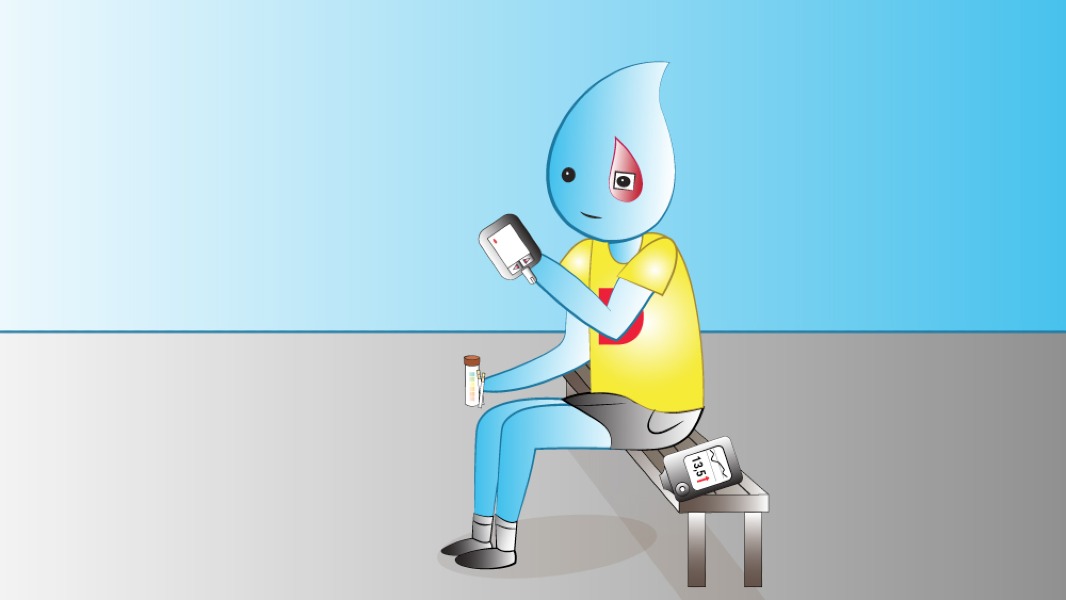
2-4-3 Diabetic Ketoacidosis
Recognising and managing high blood glucose and ketones
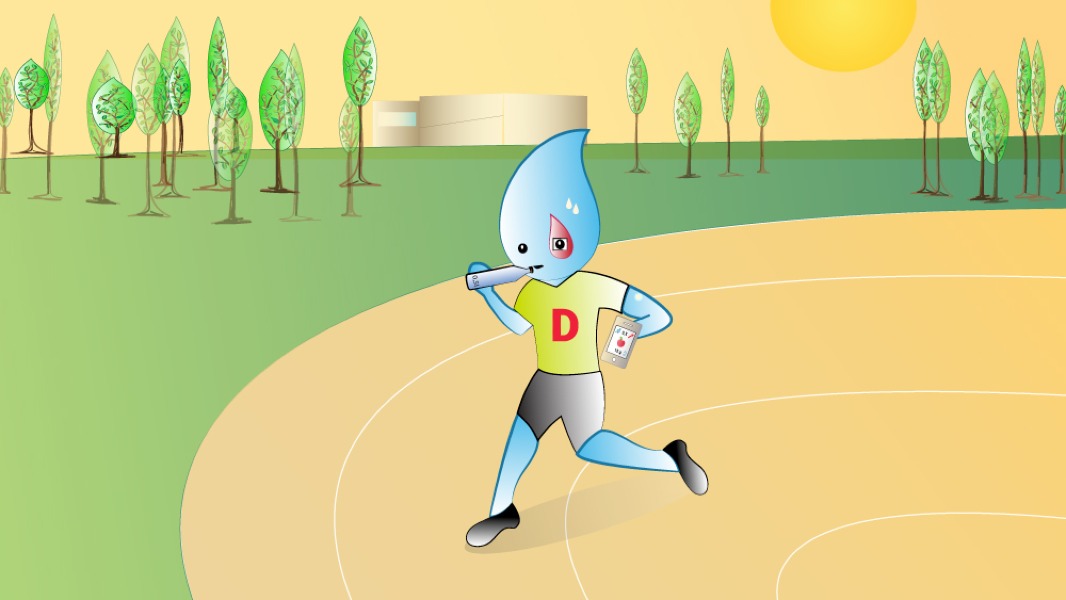
3-5-2 Exercise in High Heat and Humidity With Type 1 Diabetes
How to manage hydration, insulin, and blood glucose in hot weather
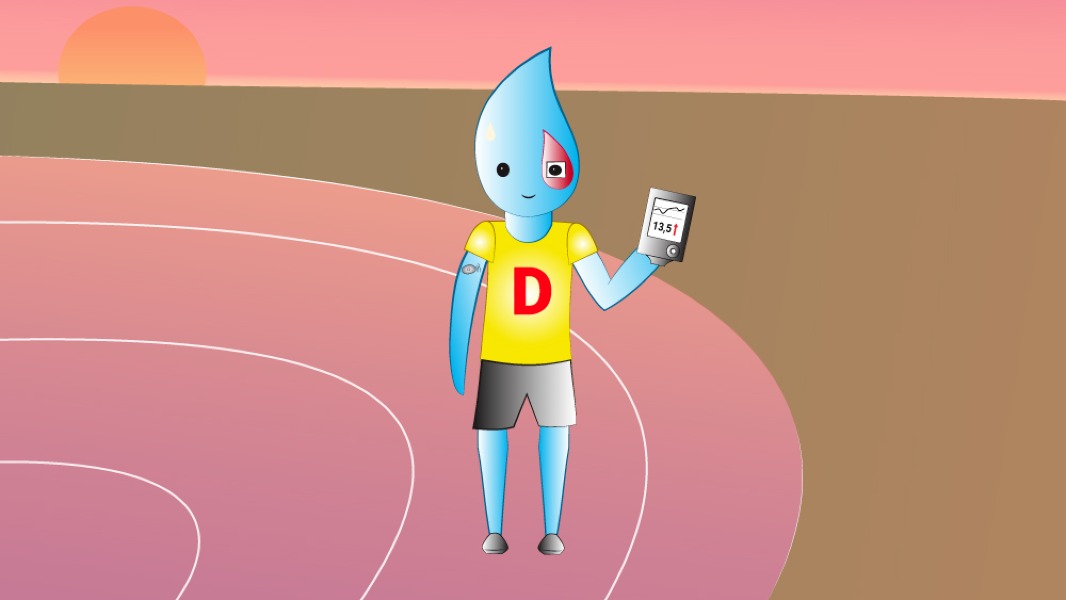
4-6-1 Reducing Hyperglycaemia During Exercise
Managing high blood glucose caused by stress hormones and insulin imbalance
