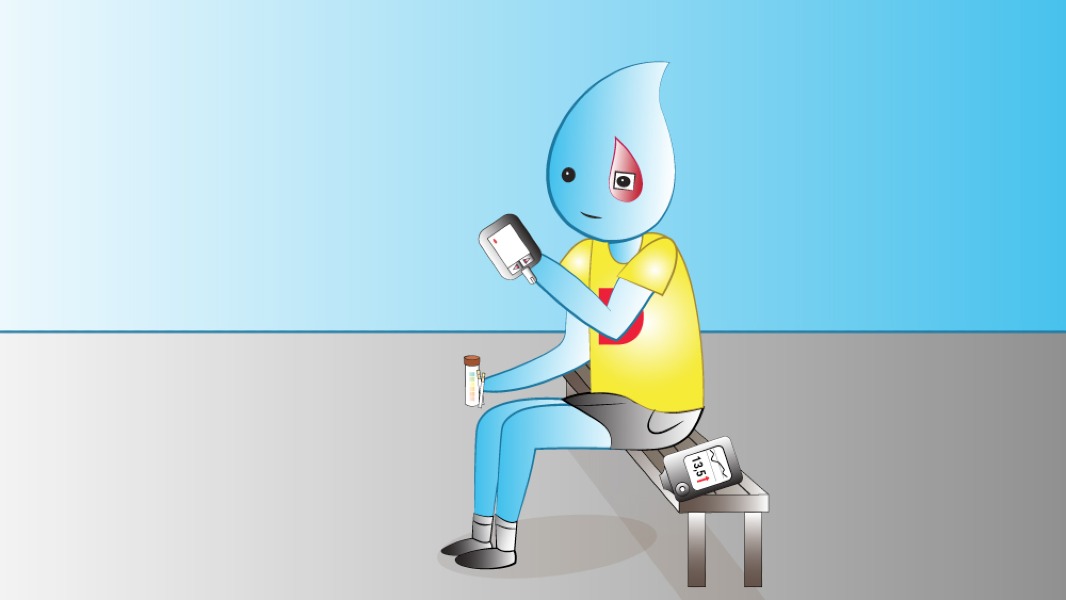
Diabetic ketoacidosis (DKA) is a serious hyperglycaemic emergency caused by lack of insulin and ketone accumulation. Although less common than hypoglycaemia during exercise, DKA can occur when high blood glucose is combined with insufficient insulin. Early recognition and immediate action are critical to prevent life-threatening complications.
What Is Diabetic Ketoacidosis?
DKA develops when:
- Insulin levels are very low or absent
- Blood glucose is elevated
- The body breaks down fat for energy
- Ketones accumulate in the bloodstream
High ketones indicate dangerous metabolic imbalance.
Symptoms of DKA
- Extreme thirst
- Frequent urination
- Fatigue
- Abdominal pain
- Confusion
- Fruity (rotten apple) breath odor
- Nausea or vomiting
If untreated, DKA can lead to coma.
Why Exercise Is Dangerous With Ketones
When ketones are present:
- Insulin is insufficient
- Exercise increases stress hormones
- Blood glucose rises further
- Dehydration worsens
Exercise must be avoided if ketones are elevated.
What to Do?
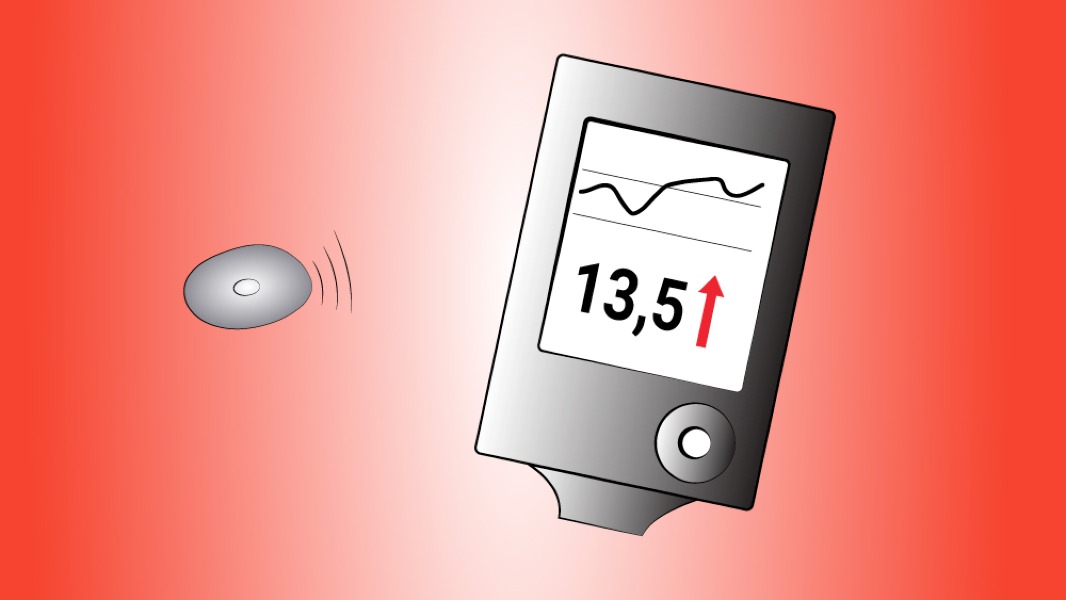
If Blood Glucose Is 14 mmol/L (250 mg/dL)
- Recheck glucose after 15 minutes
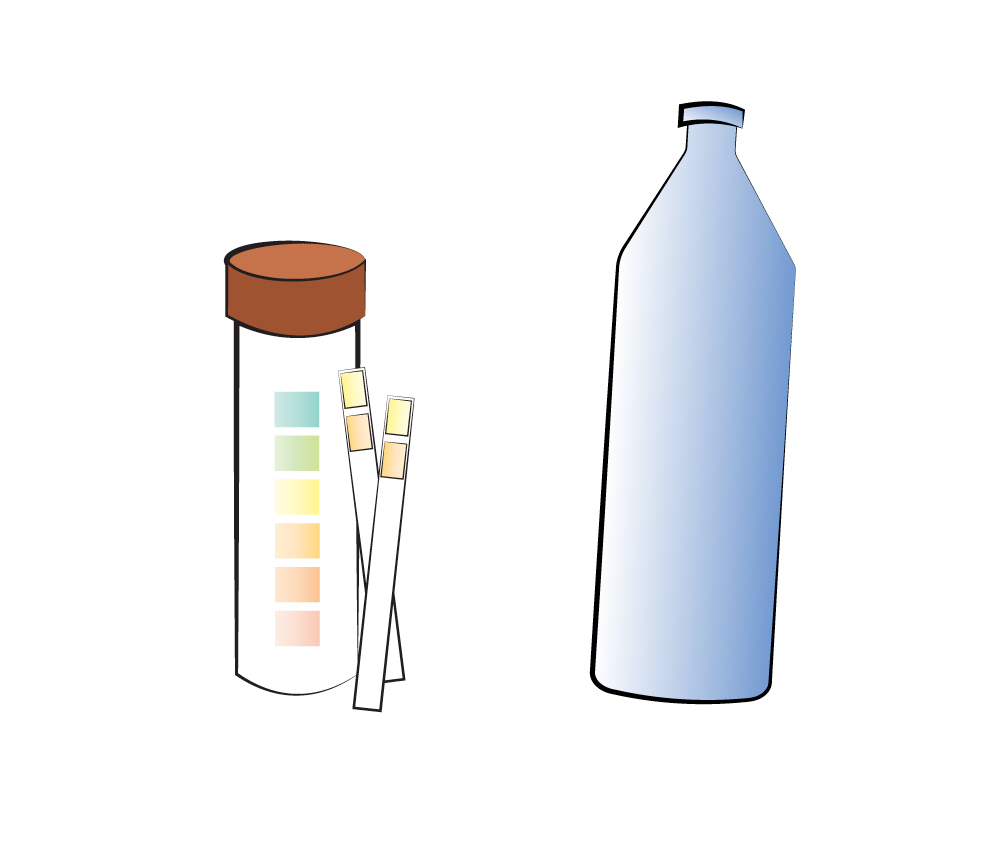
- Check ketones (blood or urine)
- Continue exercise only if:
- Glucose is stable or decreasing
- Ketones are negative
If Blood Glucose Is Above 18 mmol/L (324 mg/dL)
- Stop exercise immediately
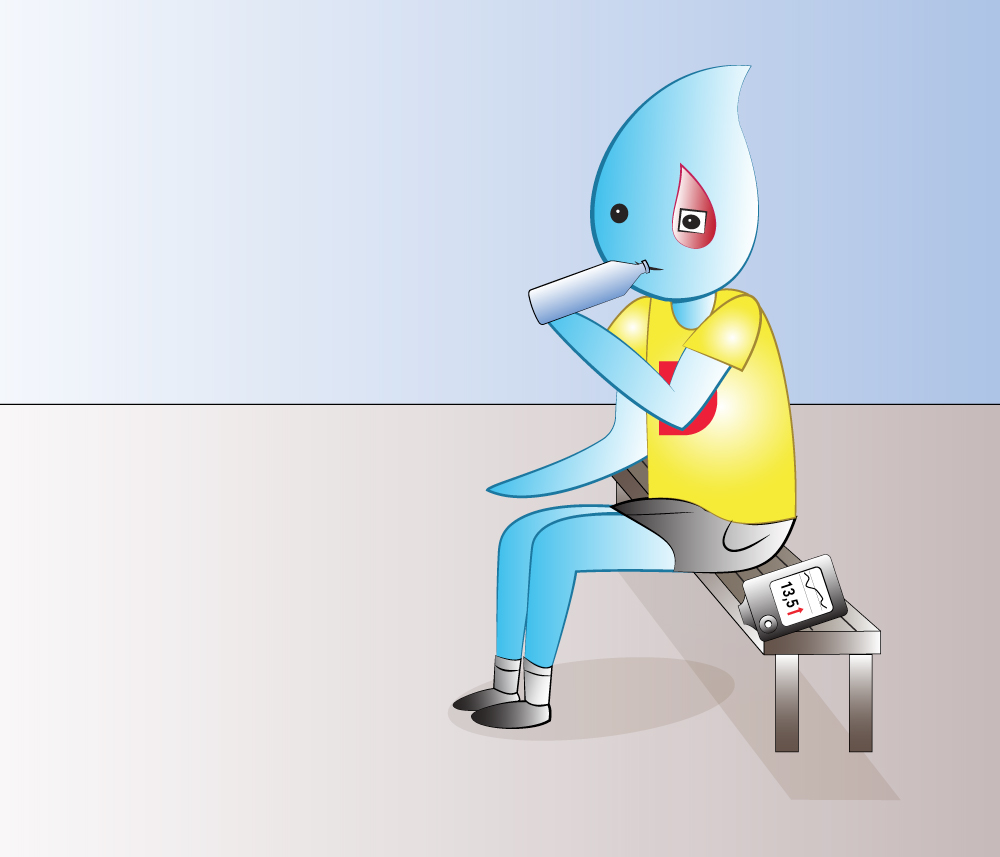
- Drink at least 500 ml water
- Check ketones
- Give correction insulin according to medical plan
- Recheck glucose and ketones
If Ketones Are ≥ 3.0 mmol/L
- Seek immediate medical assistance
- Do not exercise
- Continue hydration and insulin correction
Target ketone level for safety:
Below 0.6 mmol/L.
Consistent blood glucose monitoring and timely correction of hyperglycaemia are the most effective ways to prevent diabetic ketoacidosis. However, always remain vigilant—DKA can develop quickly when insulin is insufficient, even if symptoms seem mild at first.
Related Articles
2-4-1 What is Hyper and How to Manage It?
Understanding high blood sugar and staying safe during physical activity
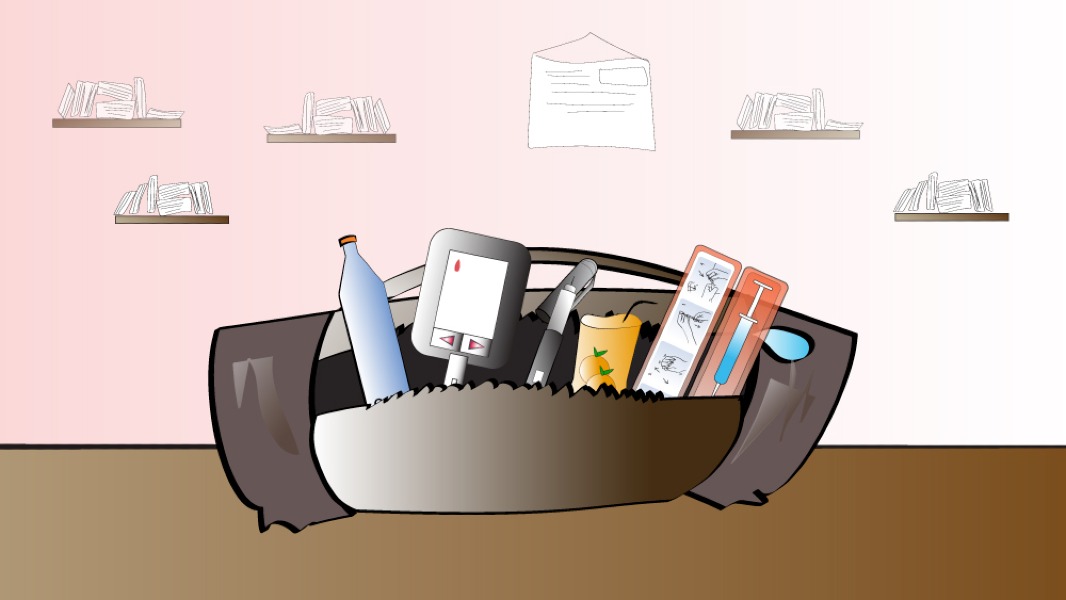
4-2-1 Blood Glucose Monitoring and Bag Packing for Sports with Type 1 Diabetes
How to stay prepared, safe, and confident during physical activity
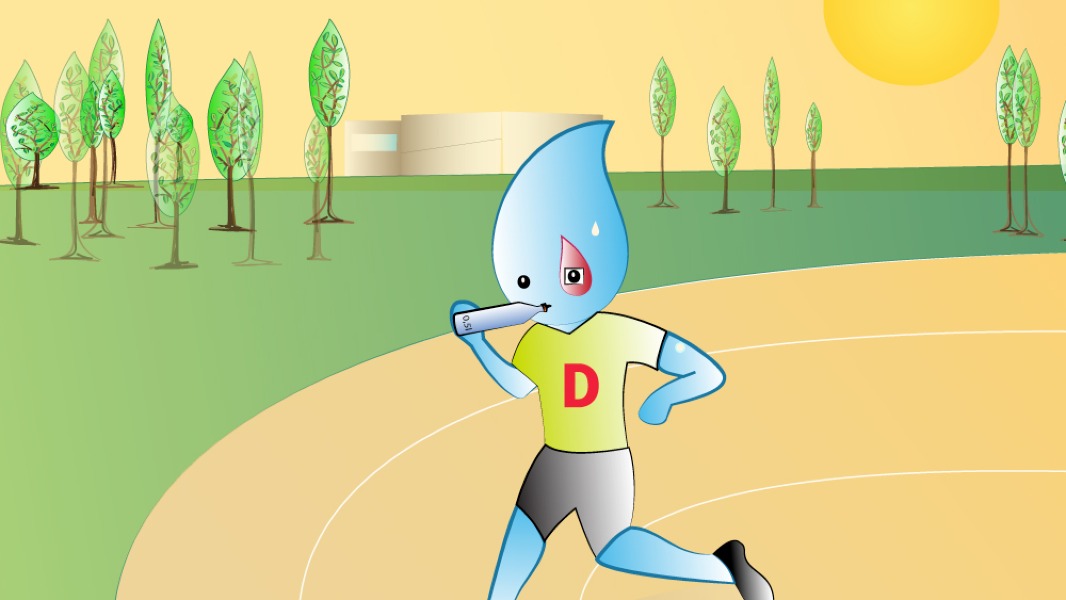
5-1-3 Staying Hydrated: Preventing Dehydration in Sports with Type 1 Diabetes
How proper hydration supports blood glucose control and athletic performance
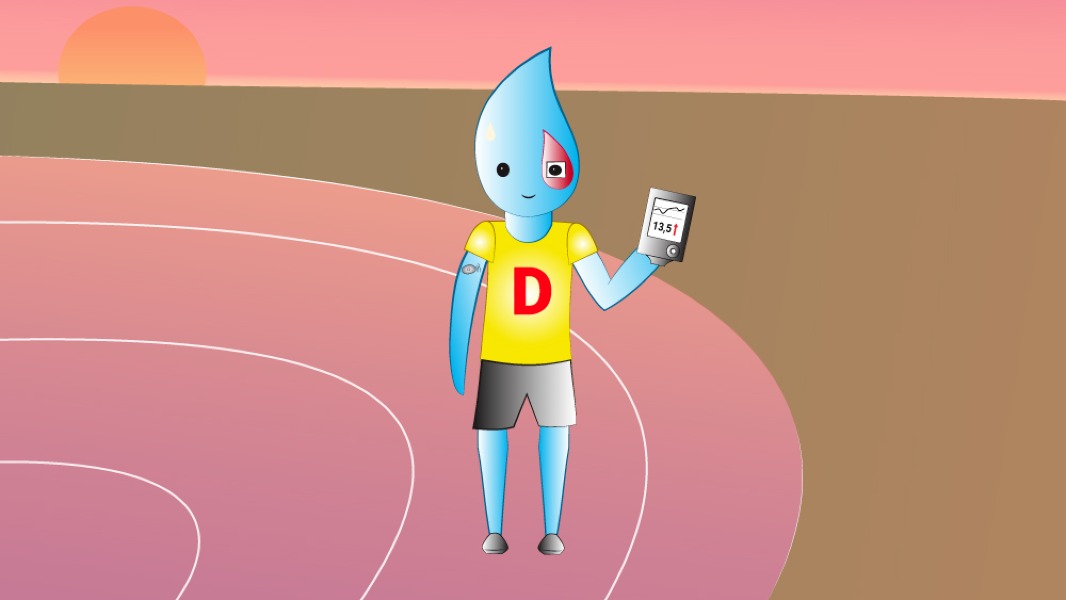
4-6-1 Reducing Hyperglycaemia During Exercise
Managing high blood glucose caused by stress hormones and insulin imbalance
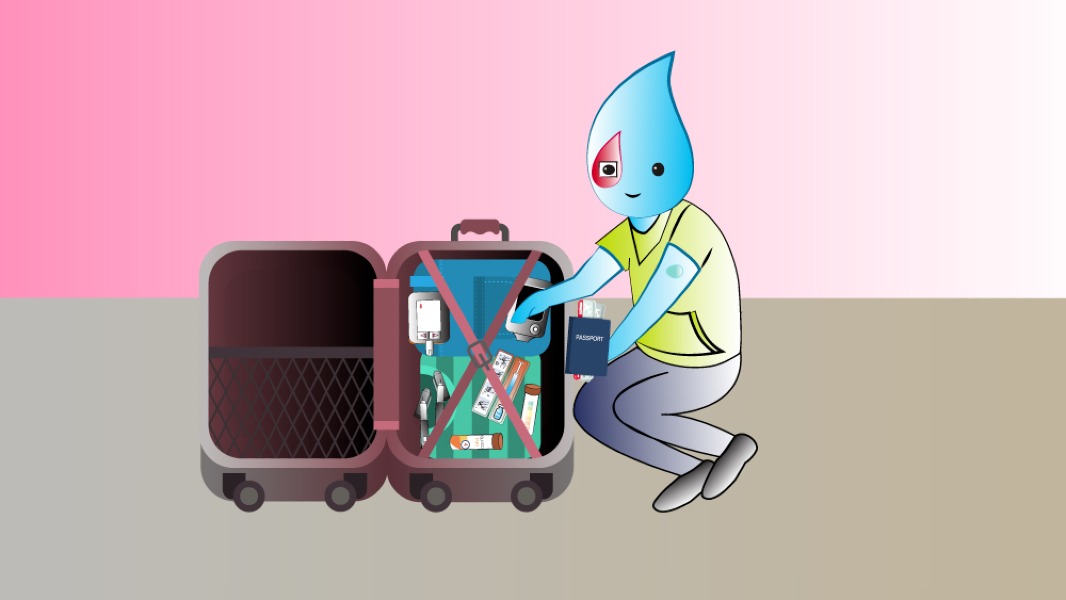
5-2-1 Training Camps and Traveling Abroad with Type 1 Diabetes
How to plan, pack, and manage blood glucose safely while away from home
