3-5-7 Water Sports and Diabetes
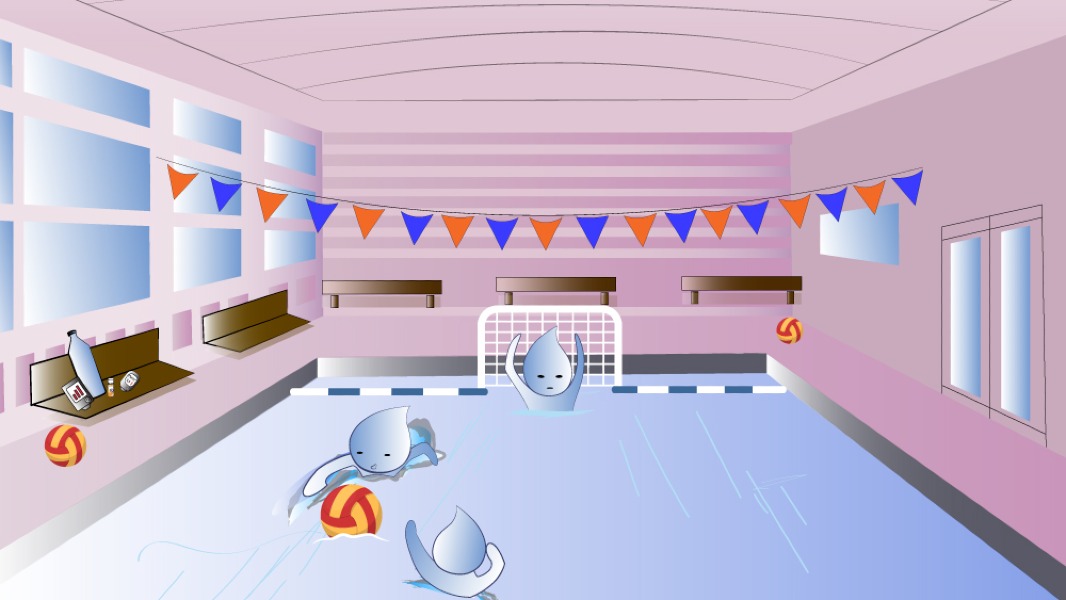
How to manage blood glucose safely during rowing, kayaking, and water-based training
Water sports such as rowing, kayaking, canoeing, and open-water training require sustained energy and careful blood glucose management. For people living with type 1 diabetes, limited access to food and monitoring devices makes preparation especially important. This guide explains how water-based activities affect glucose levels and provides practical strategies to support safe and confident participation.
Why Water Sports Affect Blood Sugar
Water sports often involve long training sessions, repetitive movements, exposure to cold water, and limited opportunities to check glucose levels or consume carbohydrates.
These conditions increase overall energy expenditure and may complicate glucose management.
During prolonged aerobic activity, working muscles use increasing amounts of glucose. In people without diabetes, insulin secretion naturally decreases. In type 1 diabetes, circulating insulin remains present, increasing the risk of hypoglycaemia.
Cold water exposure may initially slow insulin absorption, followed by faster glucose declines later during or after training.
As a result, blood glucose levels may change gradually and unpredictably during water-based exercise.
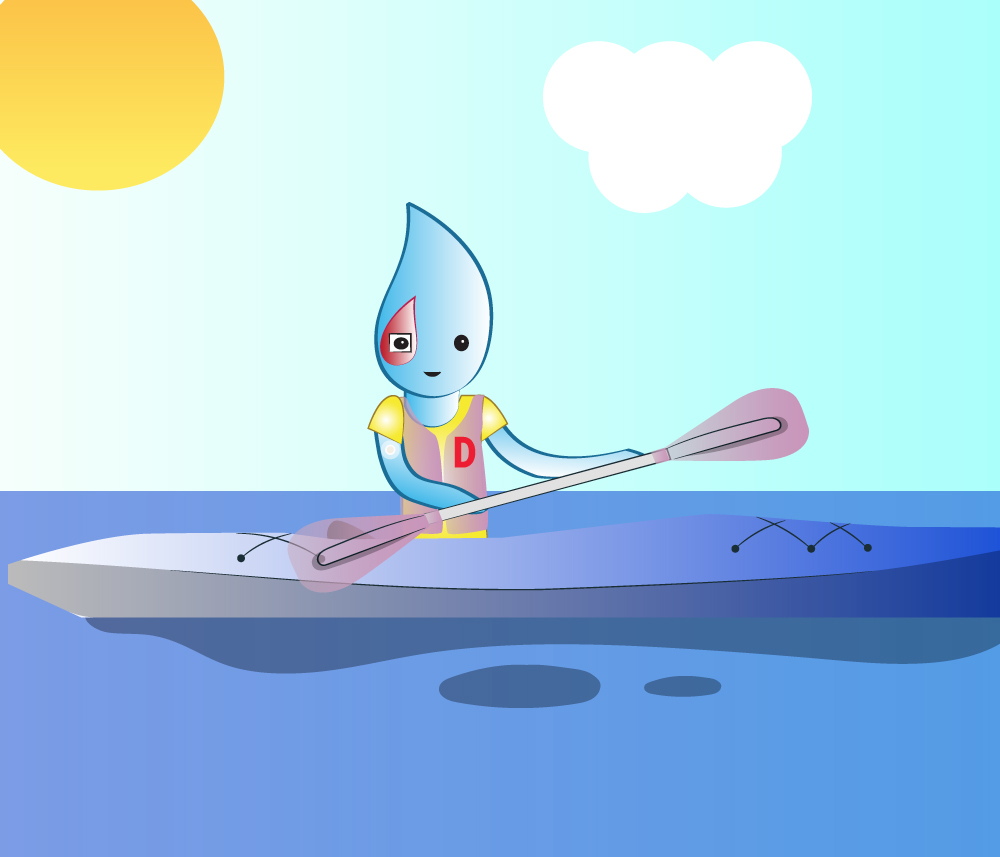
How Water-Based Exercise Influences Blood Glucos
During rowing, paddling, and similar activities, blood glucose levels often decrease slowly as muscles continuously use glucose for energy. This increases the risk of hypoglycaemia, especially during long or high-intensity sessions.
At the same time, energy demands remain high, making regular fueling important. If insulin levels are relatively high, additional carbohydrates may be required to prevent lows. With appropriate insulin adjustments, fewer carbohydrates may be needed.
Because individual responses vary, tracking personal glucose patterns during water training is essential.
Practical Tips and Technology Support
- Adjust insulin and carbohydrate intake based on training duration, water temperature, and weather conditions.
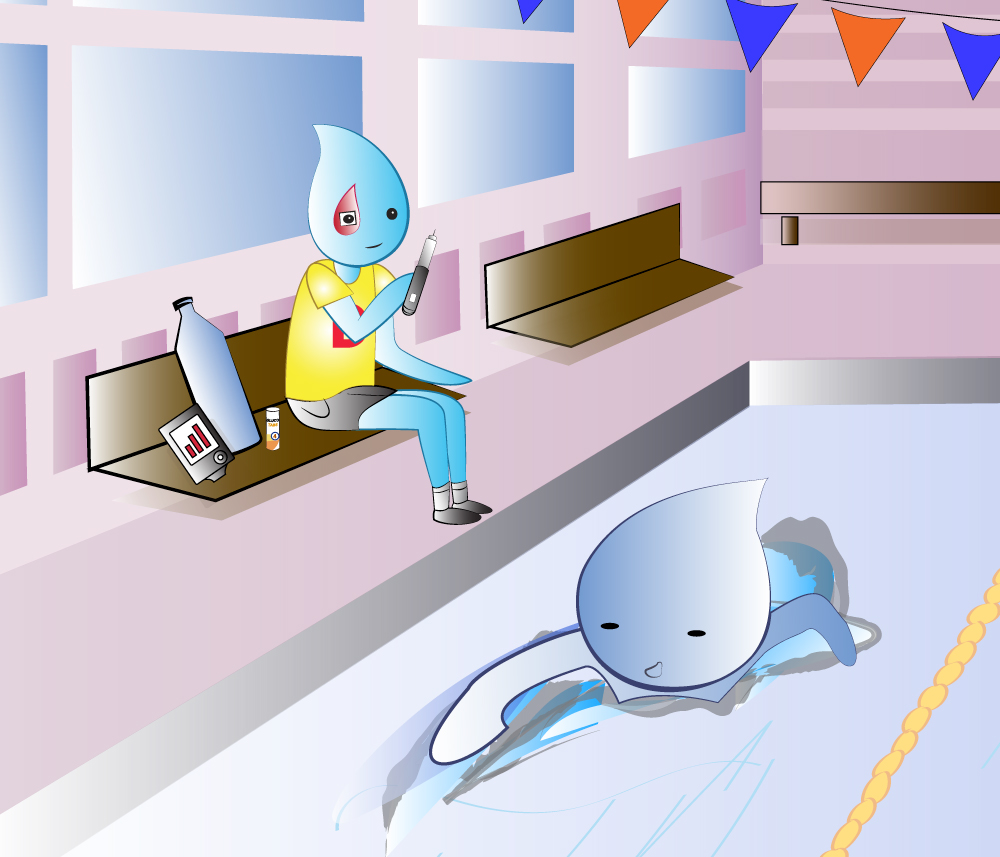
- Carry waterproof carbohydrate sources and emergency supplies when possible.
- Use CGM trend data to identify early glucose changes.
- Review pump settings and temporary basal options before long sessions.
- Plan access points for snacks and monitoring during extended training.
With careful preparation and consistent monitoring, people with type 1 diabetes can safely enjoy water sports while maintaining stable glucose control.
Related Articles
3-2 Endurance and Aerobic Exercise with Type 1 Diabetes
How to stay safe, balanced, and confident during long-distance and aerobic activities
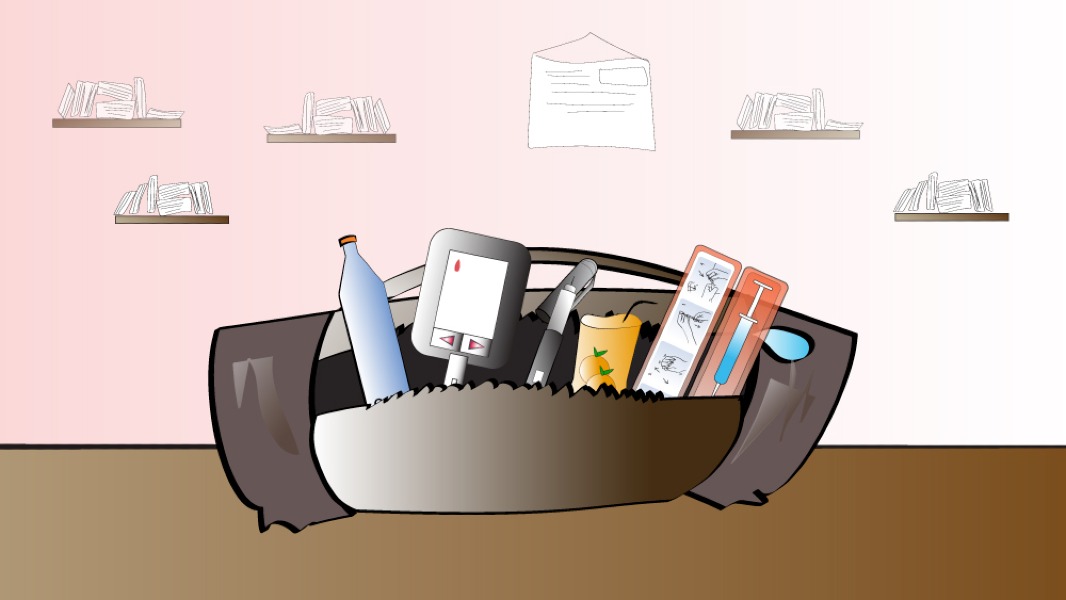
4-2-1 Blood Glucose Monitoring and Bag Packing for Sports with Type 1 Diabetes
How to stay prepared, safe, and confident during physical activity
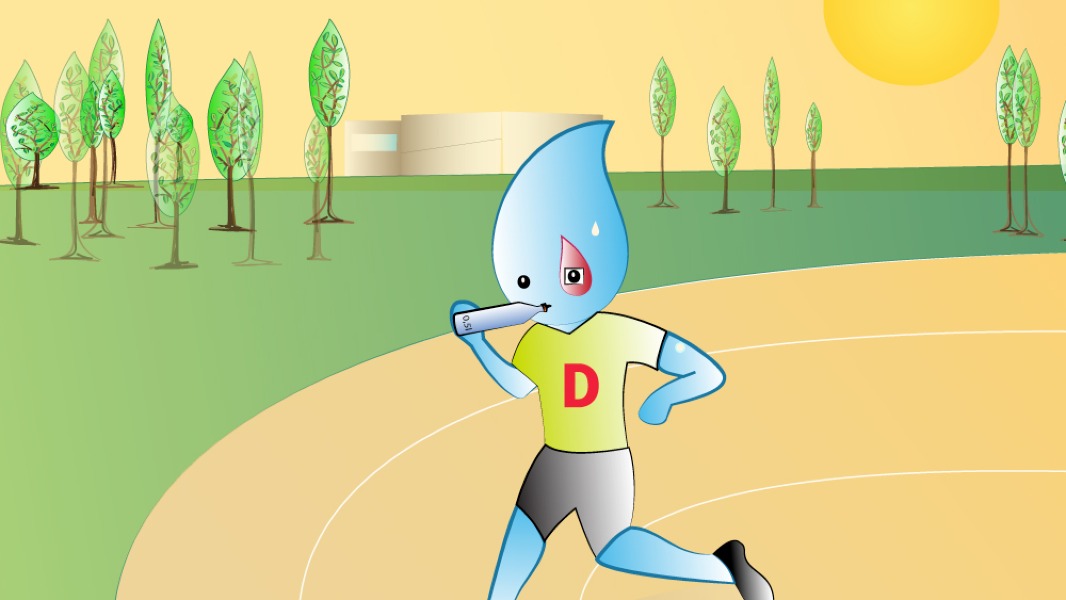
5-1-3 Staying Hydrated: Preventing Dehydration in Sports with Type 1 Diabetes
How proper hydration supports blood glucose control and athletic performance
3-5-5 Indoor and Outdoor Sports with Diabetes
How different environments influence blood glucose control during exercise
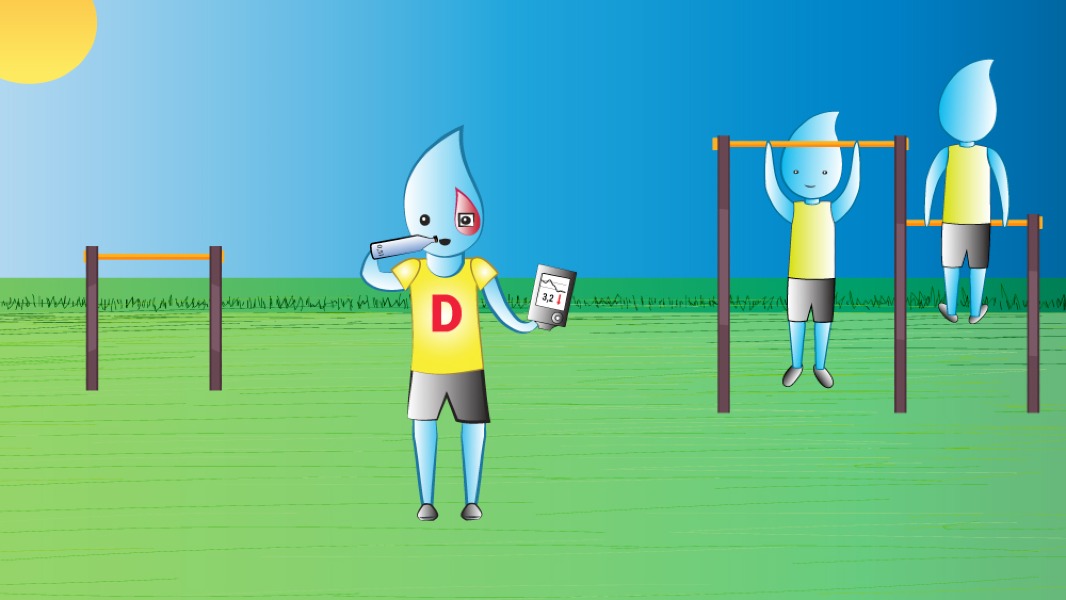
4-6-2 Reducing Hypoglycaemia During Exercise
Practical insulin and fueling strategies to prevent low blood glucose in sport
