3-5-5 Indoor and Outdoor Sports with Diabetes
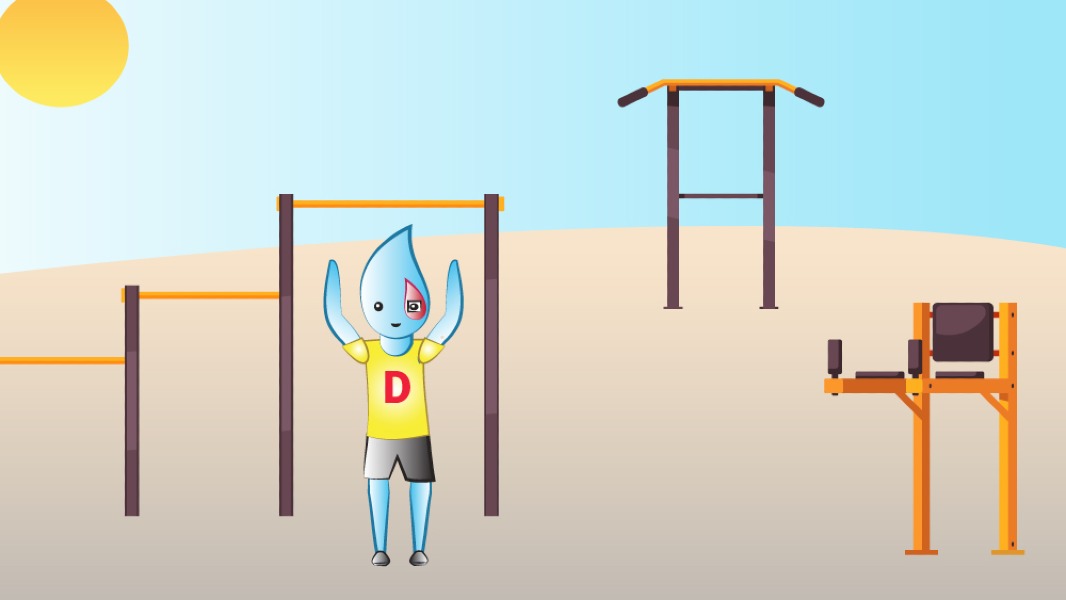
How different environments influence blood glucose control during exercise
Indoor and outdoor sports can affect blood glucose in different ways due to variations in temperature, humidity, sunlight, wind, and altitude. These environmental factors influence insulin absorption, hydration status, and energy use. Understanding how different settings affect the body helps people with type 1 diabetes adapt their training routines and maintain safer, more stable glucose levels.
Why Exercise Environment Matters
Physical activity always increases energy expenditure, but environmental conditions strongly influence how blood glucose responds.
Indoor sports are usually performed in controlled settings with stable temperature, humidity, and limited exposure to sunlight or wind. These conditions often lead to more predictable glucose patterns.
Outdoor sports may involve heat, cold, wind, sun exposure, and altitude changes. These factors affect insulin action, hydration, and muscle glucose uptake, making blood sugar responses more variable.
In warm weather, insulin may act faster, increasing hypoglycaemia risk. In cold conditions, insulin absorption may be delayed, followed by later glucose drops. At higher altitudes, early glucose increases and delayed decreases may occur.
For these reasons, outdoor exercise often requires closer monitoring and greater flexibility.
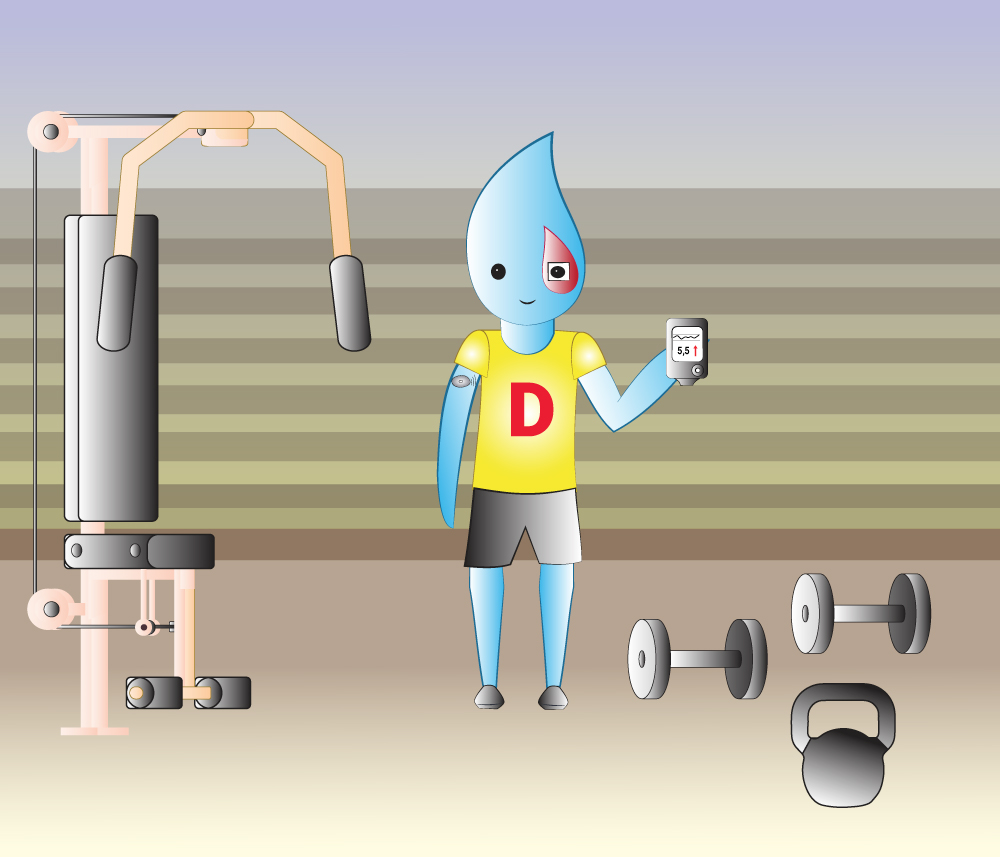
How Indoor and Outdoor Activity Affect Blood Glucose
Indoor Sports
Indoor training environments tend to be more predictable. Typical patterns include:
- Temporary glucose increases during high-intensity workouts
- Gradual glucose decreases during aerobic sessions
- More consistent carbohydrate and insulin requirements
This stability makes it easier to develop routine management strategies.
Outdoor Sports
Outdoor exercise is more variable due to changing weather and terrain. Common influences include:
- Increased insulin absorption in heat
- Higher energy expenditure in cold conditions
- Hormonal responses at altitude
- Greater dehydration risk from sun and wind
These factors may lead to larger glucose fluctuations and require frequent adjustments.
Practical Tips for Training in Different Environments
- Check blood glucose more often during outdoor activities.
- Adjust insulin doses based on temperature and activity duration.
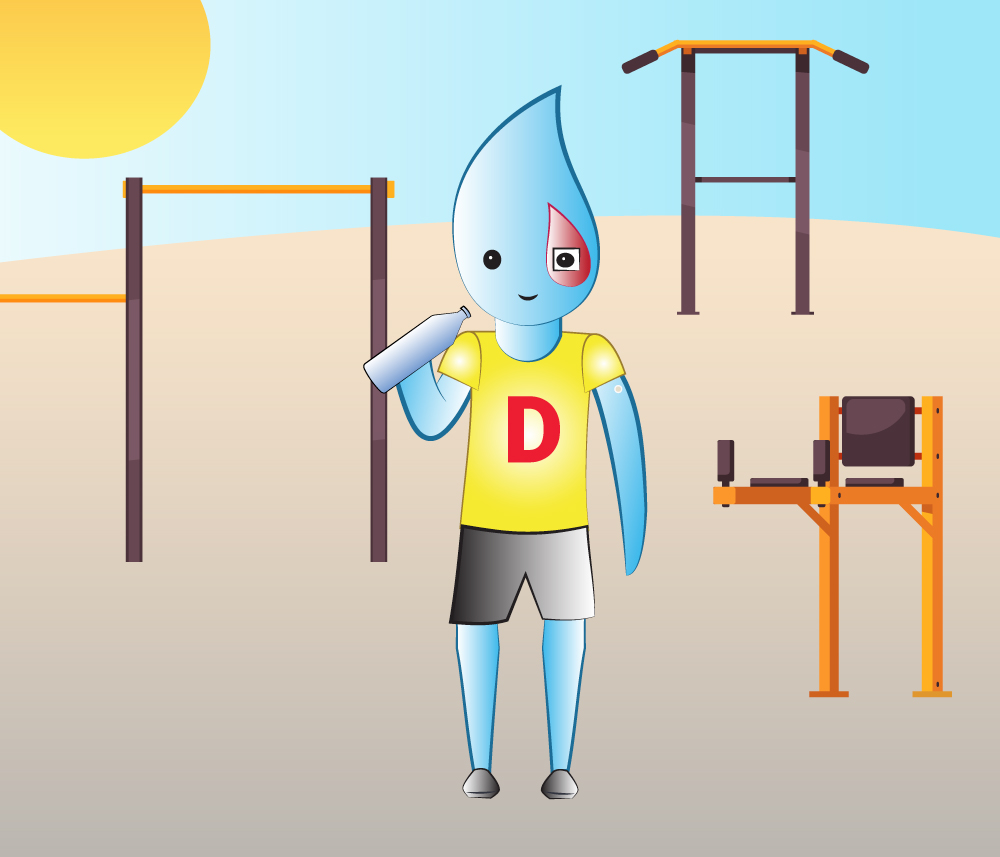
- Maintain regular hydration, especially in warm or windy conditions.
- Carry fast-acting carbohydrates at all times.
- Review glucose trends to improve future planning.
With experience and careful preparation, both indoor and outdoor sports can be enjoyed safely and confidently.
Related Articles
3-5-7 Water Sports and Diabetes
How to manage blood glucose safely during rowing, kayaking, and water-based training
3-5-2 Exercise in High Heat and Humidity With Type 1 Diabetes
How to manage hydration, insulin, and blood glucose in hot weather
3-5-1 High Altitude Trekking & Winter Sports: A Type 1 Diabetes Survival Guide
Managing blood glucose safely during trekking, skiing, and cold-weather activity
3-5-8 Extreme and Adventure Sports with Diabetes
Managing blood glucose safely in challenging and unpredictable environments
4-4 Staying in Control: Managing Type 1 Diabetes During Sport
Practical strategies for stable blood glucose during training and competition
