3-5-8 Extreme and Adventure Sports with Diabetes
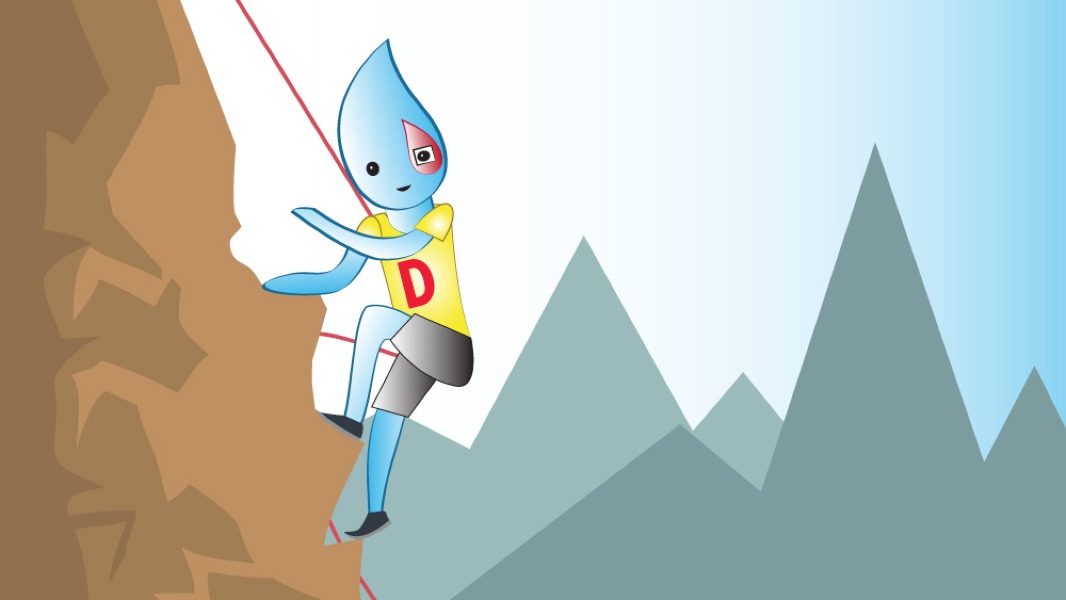
Managing blood glucose safely in challenging and unpredictable environments
Extreme and adventure sports place high physical and environmental demands on the body. High altitude, heat, cold, and prolonged exertion can all affect insulin action and blood glucose regulation. For people living with type 1 diabetes, careful preparation and monitoring are essential. This guide explains how extreme environments influence glucose levels and provides practical strategies for staying safe, prepared, and confident during demanding activities.
Why Extreme Environments Affect Blood Glucose
Extreme sports often involve conditions such as high altitude, low temperatures, intense heat, long periods of activity, and limited access to food and medical support.
These factors increase physical and hormonal stress. Stress hormones, including adrenaline and cortisol, may rise, oxygen availability may decrease, and energy expenditure increases. Together, these changes can disrupt normal glucose regulation.
At high altitude, reduced oxygen levels may lower insulin sensitivity, increasing the risk of hyperglycaemia. In cold environments, higher energy use and delayed insulin absorption may raise the risk of hypoglycaemia. In hot conditions, dehydration may contribute to temporary glucose elevations.
As a result, standard insulin doses and carbohydrate strategies may need adjustment in extreme settings.
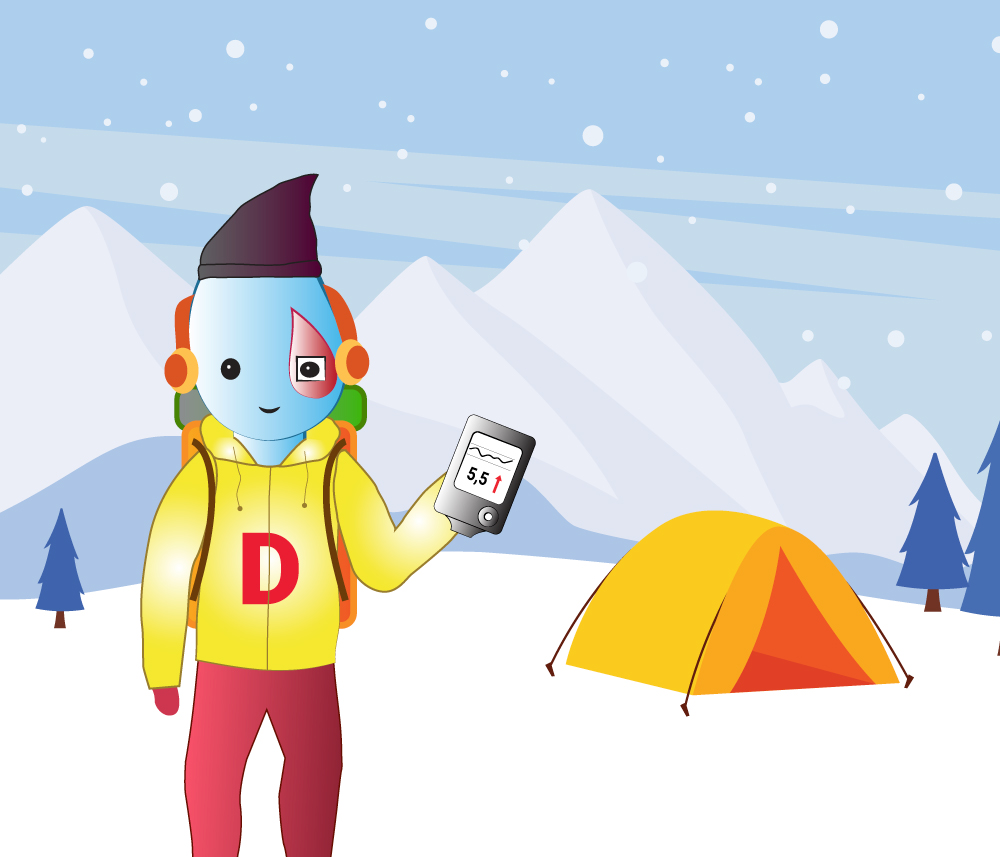
How Exercise Influences Blood Glucose in Extreme Sports
During long endurance activities such as mountaineering, trekking, or ultra-distance running, blood glucose levels often decline gradually. This increases hypoglycaemia risk, particularly when carbohydrate intake is insufficient.
Short, high-intensity efforts such as technical climbing or sprinting may cause temporary glucose increases due to stress hormone release.
Because responses vary, frequent monitoring is essential. Planning insulin dosing, nutrition, and hydration in advance supports safer participation.
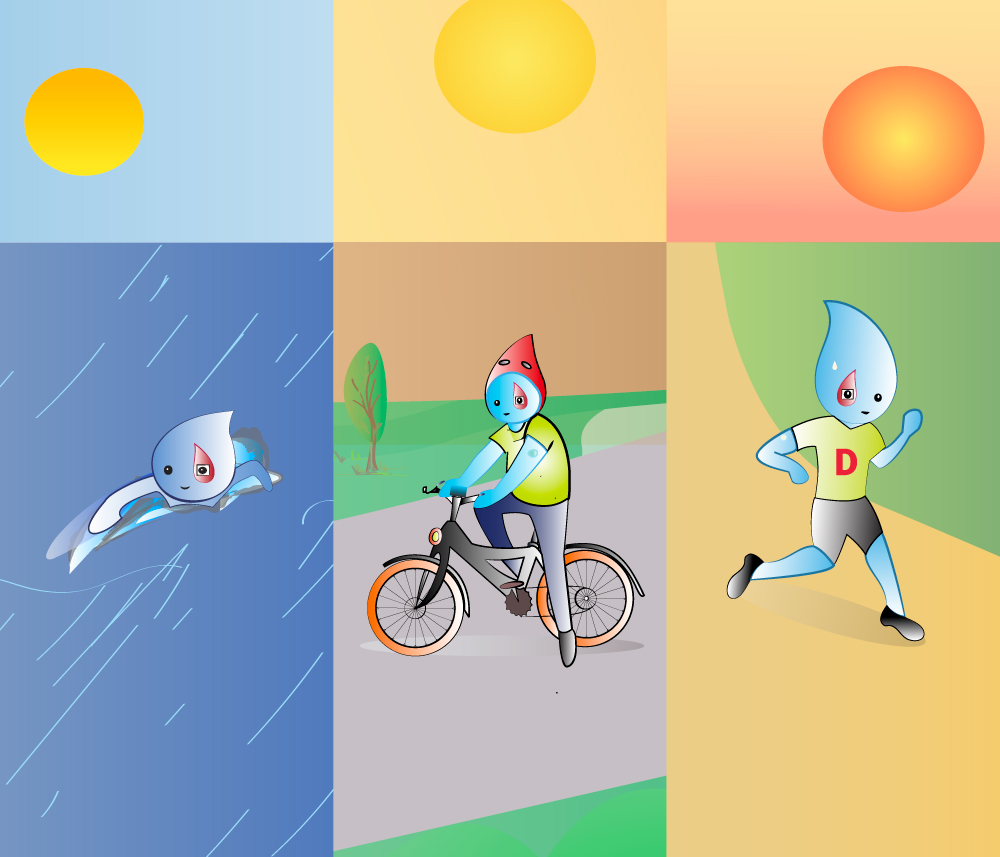
Practical Strategies for Extreme Conditions
- Monitor glucose frequently using CGM systems and backup meters.
- Carry fast-acting carbohydrates and slow-release snacks at all times.
- Protect insulin and devices from extreme temperatures.
- Use pump and CGM alerts to identify early changes.
- Prepare backup insulin delivery methods and spare supplies.
- Inform teammates about emergency procedures.
Learning personal glucose patterns in different environments is key to long-term safety and confidence. With careful preparation, reliable equipment, and flexible management strategies, people with type 1 diabetes can safely participate in extreme and adventure sports.
Related Articles
3-5-1 High Altitude Trekking & Winter Sports: A Type 1 Diabetes Survival Guide
Managing blood glucose safely during trekking, skiing, and cold-weather activity
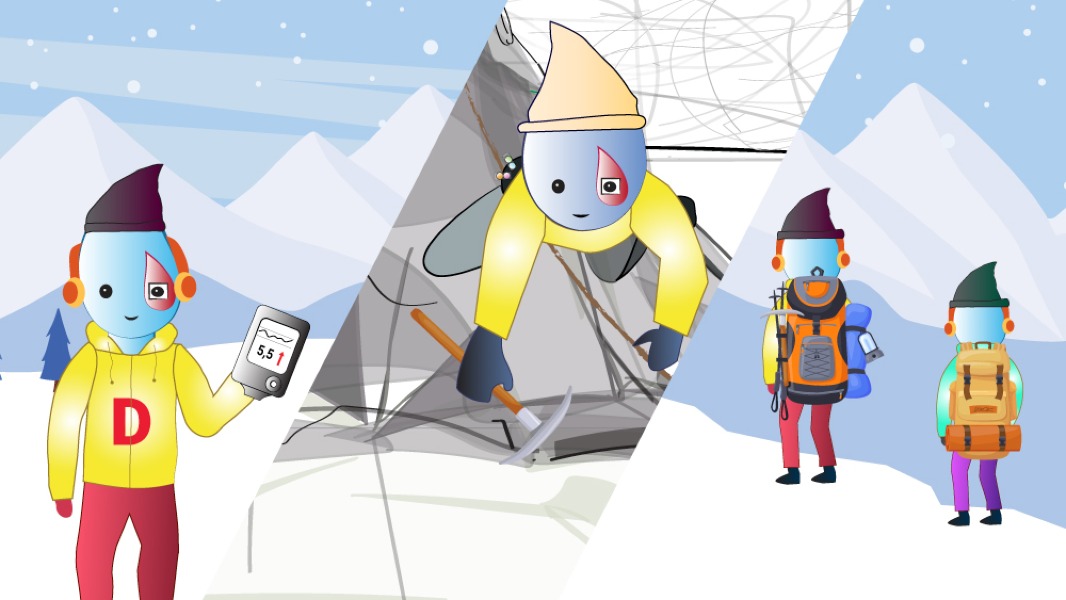
3-5-3 Trekking, Climbing & Winter Sports with Type 1 Diabetes
Safe blood glucose management during high-altitude and cold-weather activities
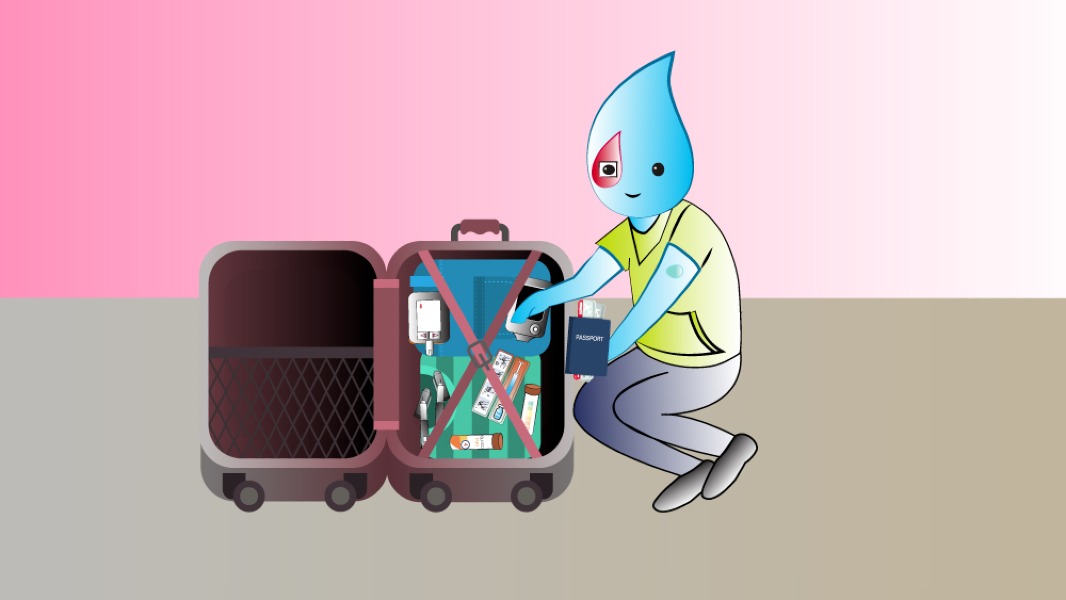
5-2-1 Training Camps and Traveling Abroad with Type 1 Diabetes
How to plan, pack, and manage blood glucose safely while away from home
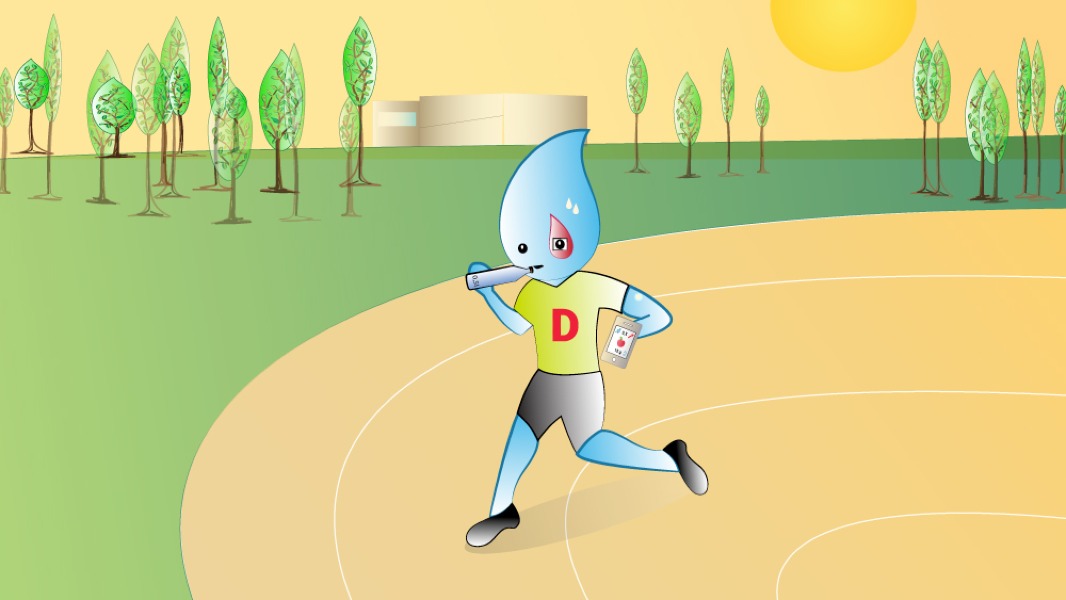
3-5-2 Exercise in High Heat and Humidity With Type 1 Diabetes
How to manage hydration, insulin, and blood glucose in hot weather
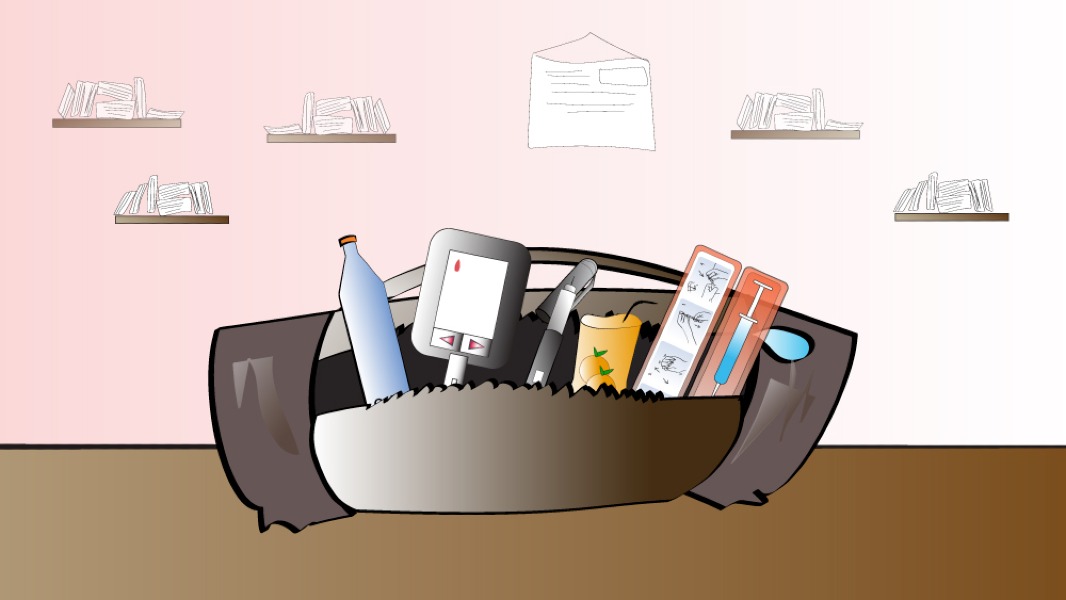
4-2-1 Blood Glucose Monitoring and Bag Packing for Sports with Type 1 Diabetes
How to stay prepared, safe, and confident during physical activity
