3-5-1 High Altitude Trekking & Winter Sports: A Type 1 Diabetes Survival Guide
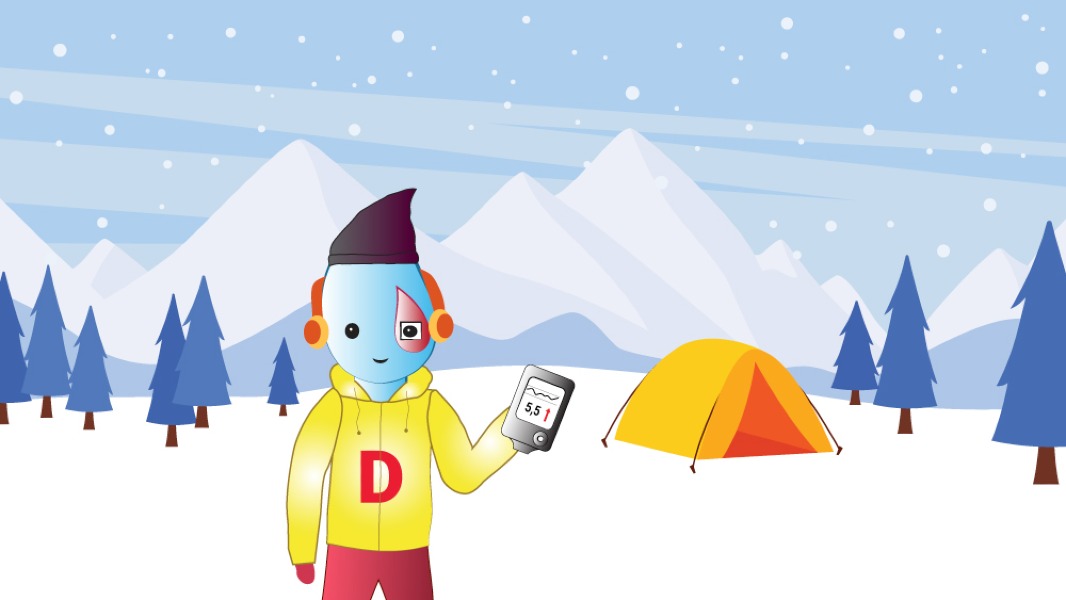
Managing blood glucose safely during trekking, skiing, and cold-weather activity
High altitude and winter sports present unique challenges for people living with type 1 diabetes. Reduced oxygen levels, cold temperatures, dehydration, and stress hormones can all influence blood glucose control and insulin absorption. This guide explains how altitude and cold environments affect diabetes management and provides practical strategies for staying safe during trekking, skiing, and mountaineering.
How Altitude and Cold Affect Blood Glucose
Activities performed above 1,500 meters—and especially above 3,000 meters—introduce additional physiological stress. Lower oxygen levels, reduced appetite, dehydration, and increased stress hormone release can all alter blood glucose patterns. Cold temperatures may also affect insulin absorption and the accuracy of glucose monitoring devices.
Common risks include:
- Hypoglycaemia, due to increased muscle glucose uptake and reduced food intake
- Hyperglycaemia, triggered by adrenaline, cortisol, growth hormone, or acute mountain sickness
- Variable insulin needs, which may decrease at moderate altitude but increase at extreme elevations due to stress responses
Individual responses vary, so frequent monitoring is essential.
Pre-Trip Preparation
Before travelling to high altitude or participating in winter sports:
- Ensure recent eye and kidney health checks
- Review sick-day rules and diabetic ketoacidosis (DKA) prevention
- Test altitude medications in advance, as some may affect blood glucose
- Use altitude-approved glucose meters and CGM systems
- Pack calibration solution if required
Essential Equipment
- Insulin stored in insulated pouches (avoid freezing or overheating)
- Backup insulin pens or cartridges
- Extra pump supplies
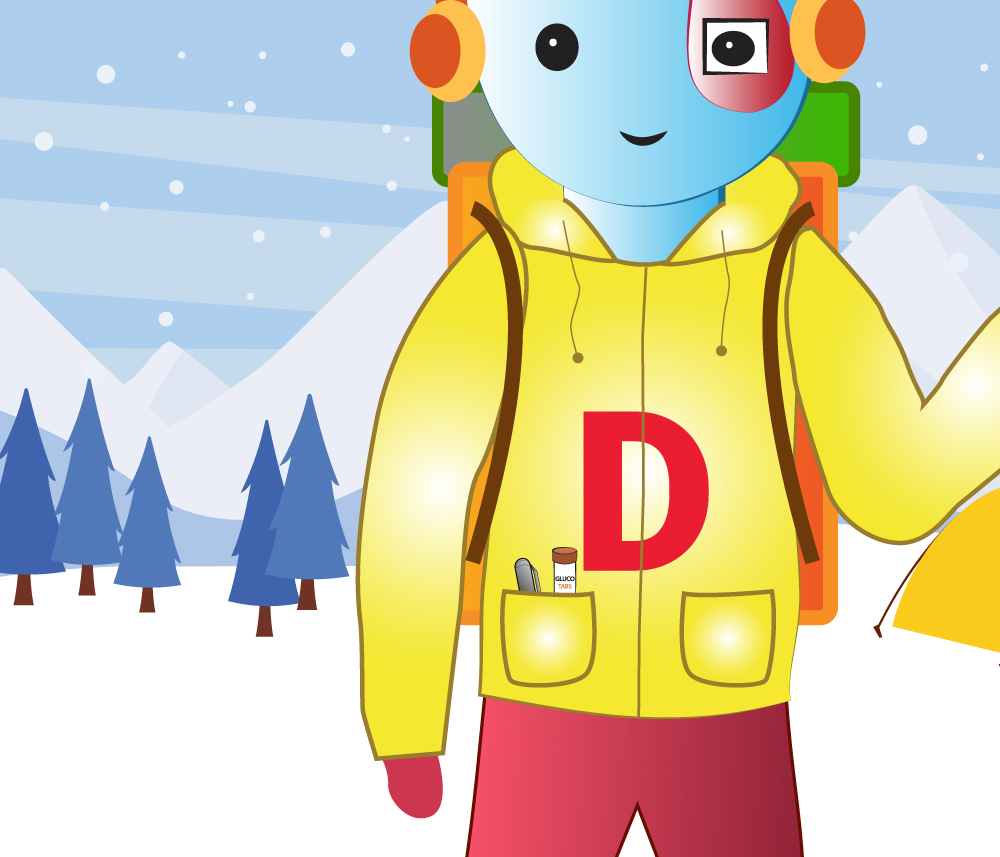
- Fast-acting glucose (gels, tablets, snacks that do not freeze easily)
- Spare batteries kept warm close to the body
- Glucagon for emergency use
Daily Management at Altitude
Morning starts above 3,000 m:
Consider reducing basal insulin by 10–20% and consuming slow-release carbohydrates to reduce hypoglycaemia risk during prolonged activity.
Reduced appetite:
Consume small amounts of carbohydrate regularly, such as carbohydrate drinks every 30–45 minutes.
Temporary glucose increases after intense effort:
Hydrate and allow time before correcting with insulin, as stress hormones may resolve naturally.
Device performance in cold weather:
Keep glucose meters and pumps close to the body to prevent freezing and inaccurate readings.
WinterSport Extra Tips
- Always ski or train with a partner aware of hypoglycaemia symptoms.
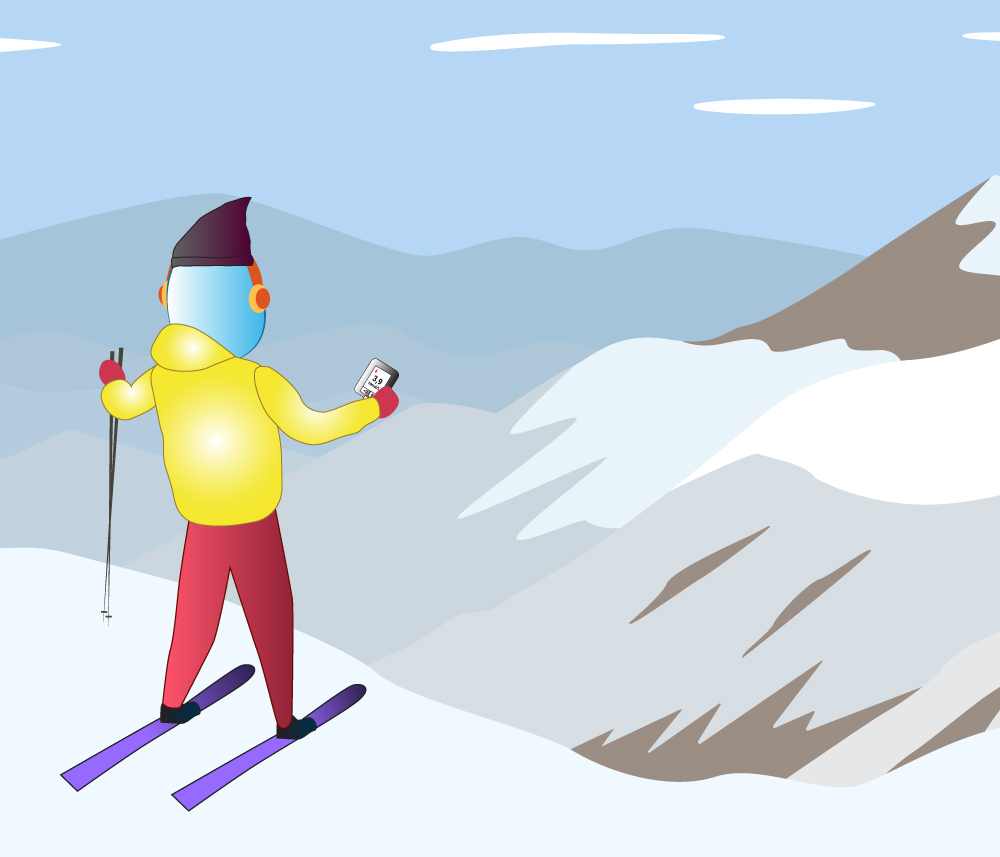
- Check blood glucose before lift rides and after intense effort.
- Protect insulin pumps and CGM devices from moisture and freezing.
- Monitor for signs of dehydration, which can worsen glucose variability.
- Dress appropriately to prevent frostbite, especially if neuropathy is present.
Hydration & Fuel
Cold environments increase dehydration risk, even when thirst is reduced. Aim for approximately 250 ml of fluid every 30 minutes during prolonged activity.
Choose carbohydrate sources that remain usable in cold conditions, such as gels or soft chews.
Post Adventure Recovery
Insulin sensitivity may remain elevated for up to 24 hours after descending from altitude or after a long ski day. Monitor glucose overnight and consider a balanced snack containing carbohydrates and protein if levels trend lower.
With appropriate preparation, temperature-protected insulin, reliable glucose monitoring, and flexible insulin adjustments, people with type 1 diabetes can safely participate in high-altitude trekking and winter sports.
Related Articles
3-5-3 Trekking, Climbing & Winter Sports with Type 1 Diabetes
Safe blood glucose management during high-altitude and cold-weather activities
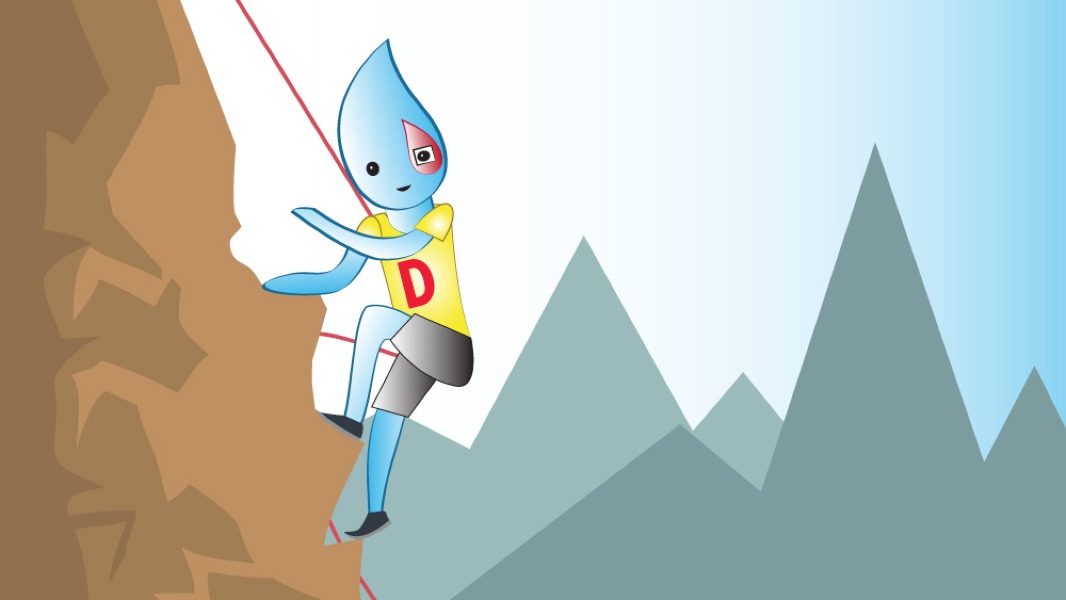
3-5-8 Extreme and Adventure Sports with Diabetes
Managing blood glucose safely in challenging and unpredictable environments
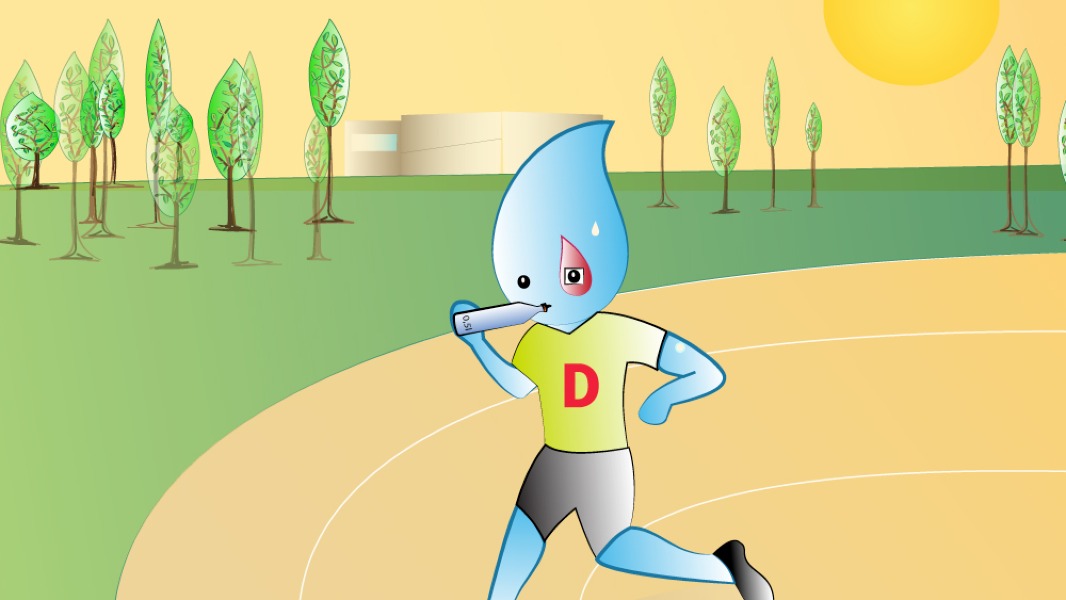
5-1-3 Staying Hydrated: Preventing Dehydration in Sports with Type 1 Diabetes
How proper hydration supports blood glucose control and athletic performance
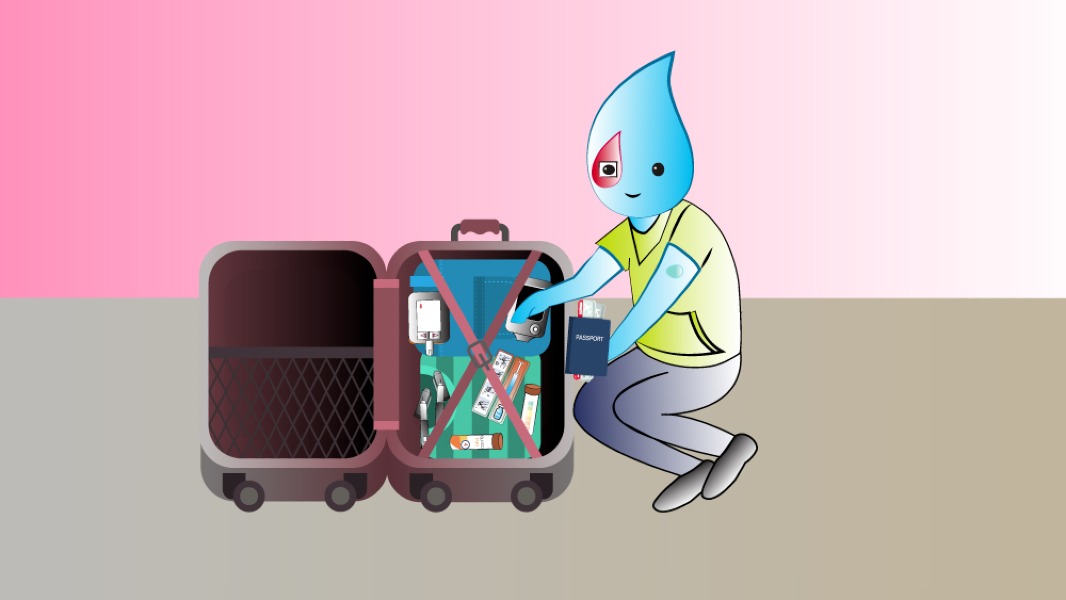
5-2-1 Training Camps and Traveling Abroad with Type 1 Diabetes
How to plan, pack, and manage blood glucose safely while away from home
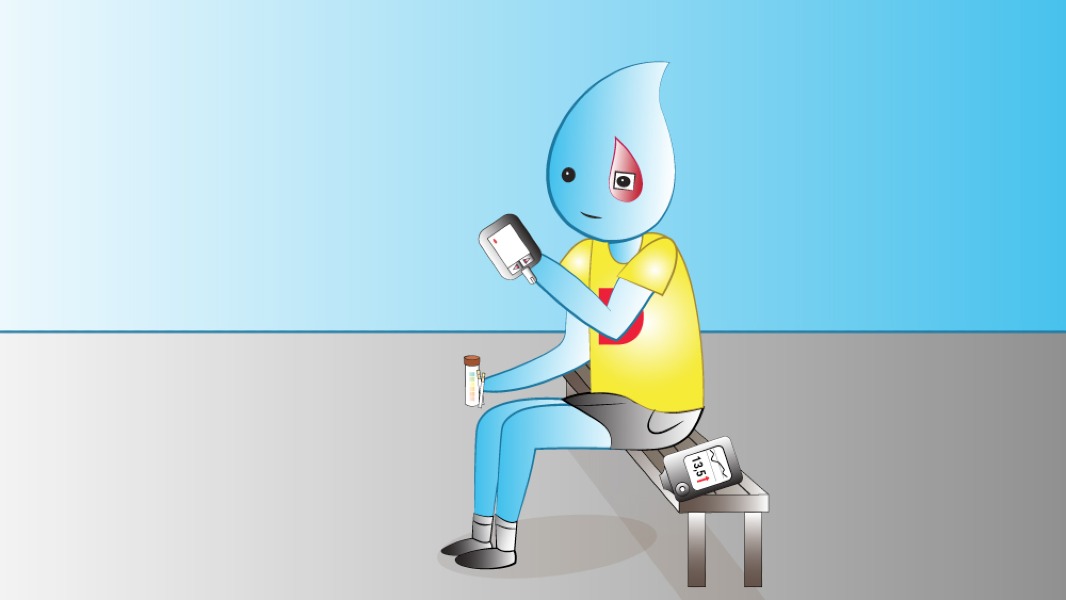
2-4-3 Diabetic Ketoacidosis
Recognising and managing high blood glucose and ketones
