5-2-1 Training Camps and Traveling Abroad with Type 1 Diabetes
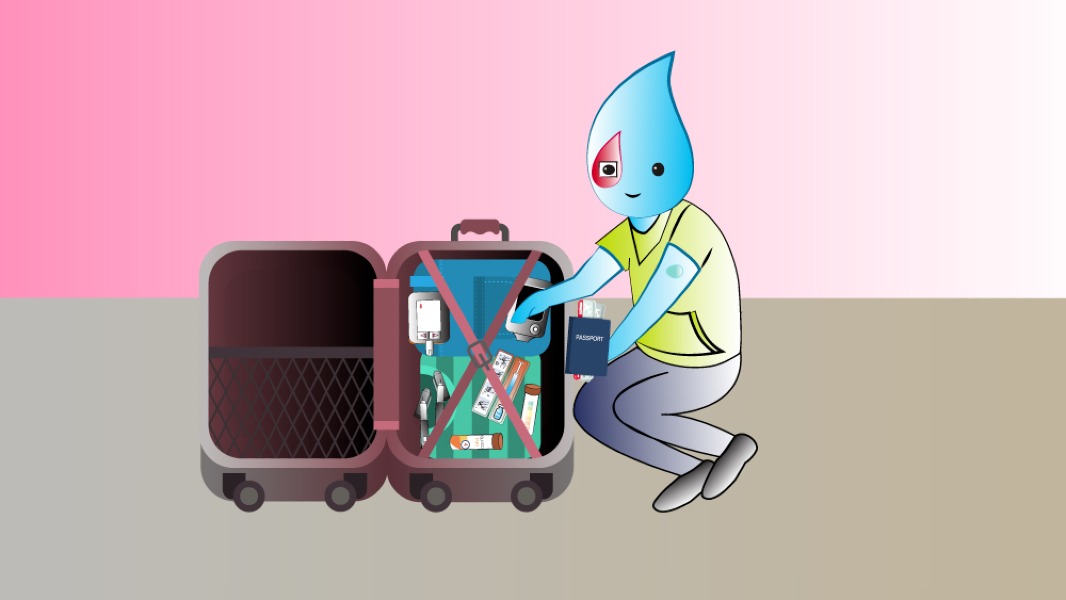
How to plan, pack, and manage blood glucose safely while away from home
Traveling or attending a training camp with type 1 diabetes requires careful preparation and clear planning. Changes in routine, climate, time zones, and physical activity can all affect blood glucose levels. Having a structured protocol in place supports safety, confidence, and peace of mind. This guide explains how to prepare, organise support, and manage diabetes effectively while traveling or training away from home.
Why Preparation Is Essential
Travel and training camps often involve long days, unfamiliar food, irregular schedules, and increased physical demands. These factors can make blood glucose management more challenging.
Preparing in advance helps reduce stress and prevents unexpected complications. A clear plan should include:
- Hypoglycaemia and hyperglycaemia treatment guidelines
- Nutrition and hydration strategies
- Overnight monitoring routines
- Emergency contact information
Well-prepared individuals are more likely to enjoy their trip while maintaining stable glucose control.
Creating a Diabetes Management Protocol
- A diabetes management protocol is a personalised plan that outlines how diabetes will be managed during travel or training.
- It should be developed together with a healthcare professional and, when appropriate, shared with coaches or travel companions.
Responsibilities of the Individual
The person with diabetes should:
- Monitor blood glucose regularly
- Follow agreed insulin and nutrition plans
- Share relevant information when needed
- Carry essential supplies at all times
Responsibilities of the Support Team
- Coaches, teammates, or travel companions should:
- Know where emergency supplies are stored
- Recognise signs of hypoglycaemia and hyperglycaemia
- Respect the individual’s self-management skills
- Provide assistance in emergencies
- Clear roles improve safety and build mutual trust.
Developing an Action Schedule
An action schedule explains what to do in common situations, such as:
- Low blood glucose during training
- High blood glucose before meals
- Device malfunction
- Illness or fatigue
- Night-time glucose changes
This schedule helps ensure consistent responses, even in unfamiliar environments.
Traveling Abroad with Type 1 Diabetes
International travel requires additional planning and documentation.
Important Travel Tips
Carry proper documentation
A medical certificate or diabetes passport helps explain the need for insulin, needles, and devices at airport security.
Pack insulin correctly
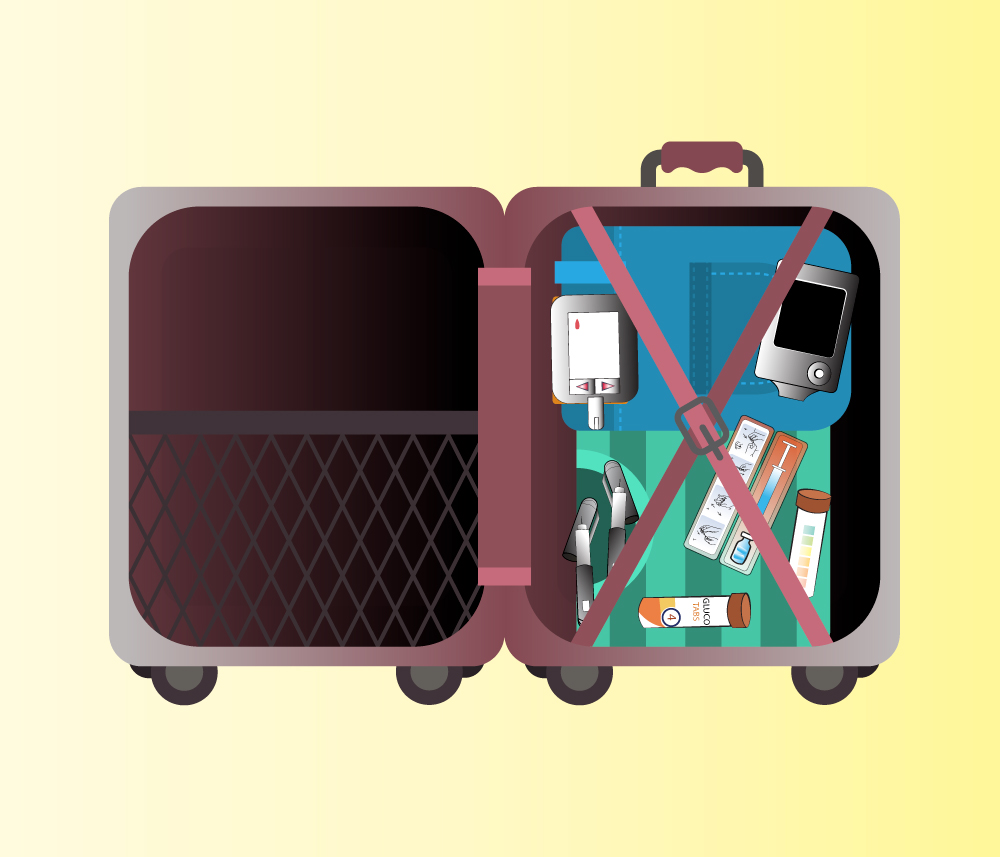
Always keep insulin and supplies in hand luggage. Checked baggage may expose insulin to freezing temperatures, making it ineffective.
Protect insulin from temperature extremes
Ideally, insulin should be stored between 4–25°C.
At temperatures up to 37°C, insulin usually remains effective for up to three months, with minimal loss of potency.
Prepare extra supplies
Pack at least double the amount of insulin, sensors, test strips, and batteries you expect to need.
Plan for time zone changes
Discuss insulin timing adjustments with your healthcare team before departure.
Staying Safe During Training Camps
During camps:
- Check glucose more frequently
- Maintain regular meals and snacks
- Stay well hydrated
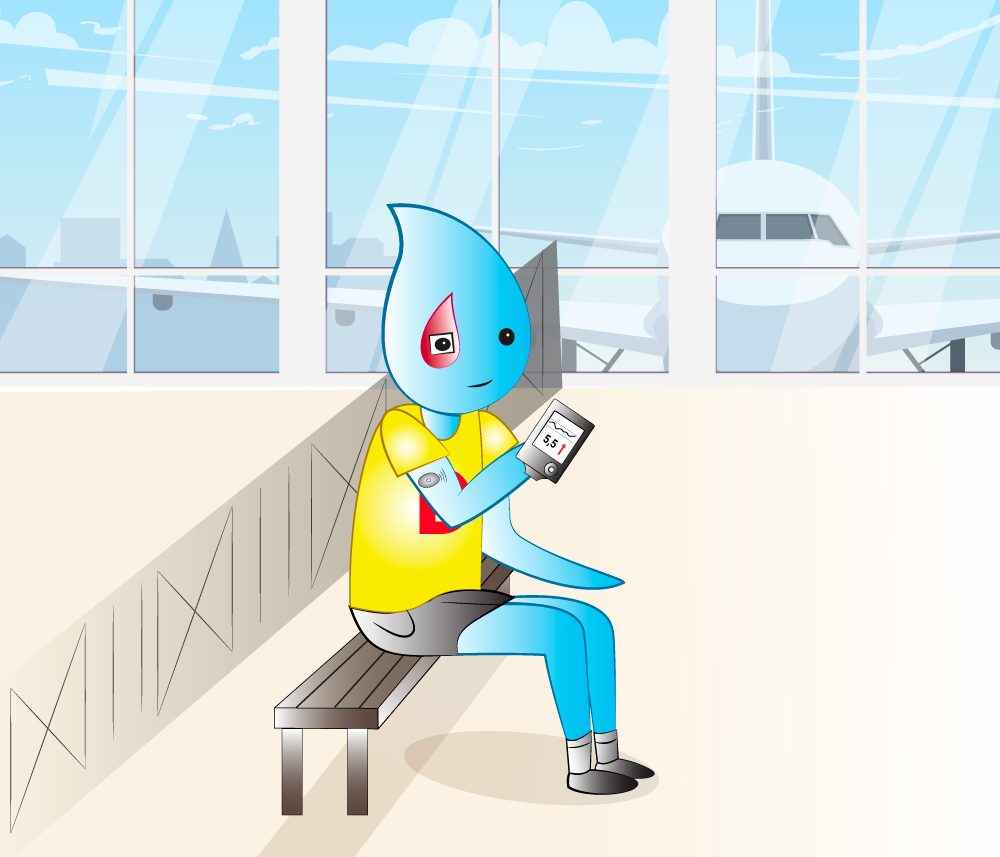
- Use CGM alerts when possible
- Monitor overnight glucose patterns
Regular communication with staff and teammates supports early problem detection.
With careful planning, clear communication, and reliable preparation, people with type 1 diabetes can participate safely in training camps and international travel while maintaining good glucose control.
Related Articles
3-5-1 High Altitude Trekking & Winter Sports: A Type 1 Diabetes Survival Guide
Managing blood glucose safely during trekking, skiing, and cold-weather activity
4-2-1 Blood Glucose Monitoring and Bag Packing for Sports with Type 1 Diabetes
How to stay prepared, safe, and confident during physical activity
3-5-8 Extreme and Adventure Sports with Diabetes
Managing blood glucose safely in challenging and unpredictable environments
2-3-3 Severe Hypoglycaemia
Recognising, preventing, and responding to dangerous low blood glucose during physical activity
2-4-3 Diabetic Ketoacidosis
Recognising and managing high blood glucose and ketones
