3-5-3 Trekking, Climbing & Winter Sports with Type 1 Diabetes
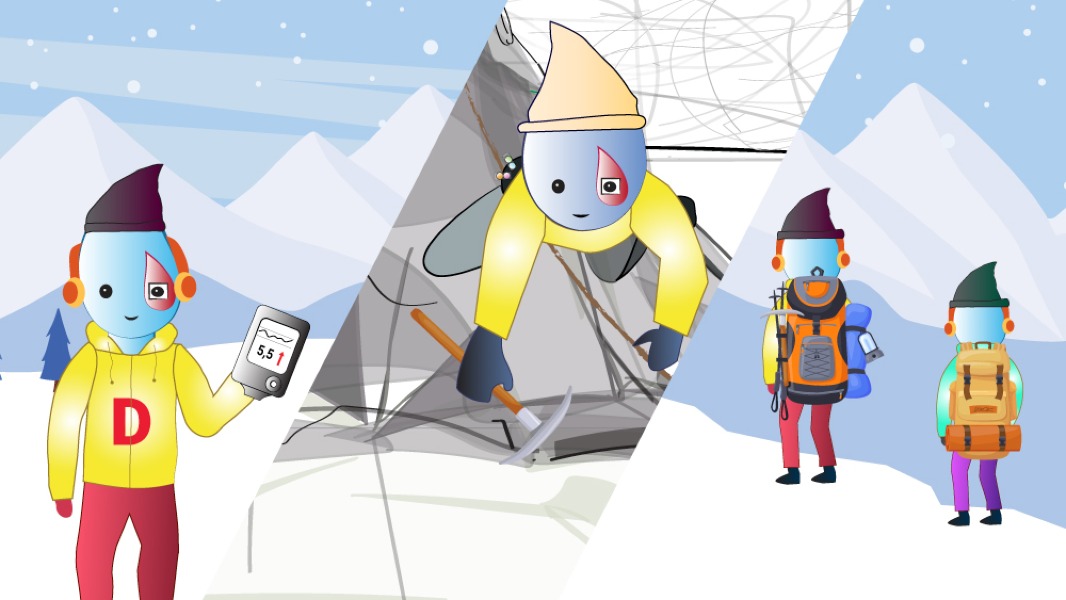
Safe blood glucose management during high-altitude and cold-weather activities
People living with type 1 diabetes can safely enjoy trekking, climbing, and winter sports with appropriate preparation and monitoring. High altitude and cold temperatures introduce additional challenges that may affect blood glucose control and insulin absorption. This guide explains how to prepare, manage glucose levels, and protect diabetes equipment during outdoor adventures in demanding environments.
How Mountain Environments Affect Blood Glucose
Outdoor activities at high altitude and in cold conditions expose the body to lower oxygen levels, reduced appetite, dehydration, and increased stress hormone release. These factors can cause both low and high blood glucose episodes.
Cold temperatures may also interfere with insulin absorption and the performance of glucose monitoring devices.
More frequent monitoring, flexible insulin adjustments, and careful nutrition planning are essential for maintaining glucose stability.
How Altitude and Cold Influence Blood Sugar
Common patterns include:
- Hypoglycaemia risk due to prolonged activity and reduced food intake
- Hyperglycaemia risk related to stress hormones and altitude-related illness
- Variable insulin requirements, which may decrease or increase depending on individual response
Recording glucose trends supports personalised adjustment.
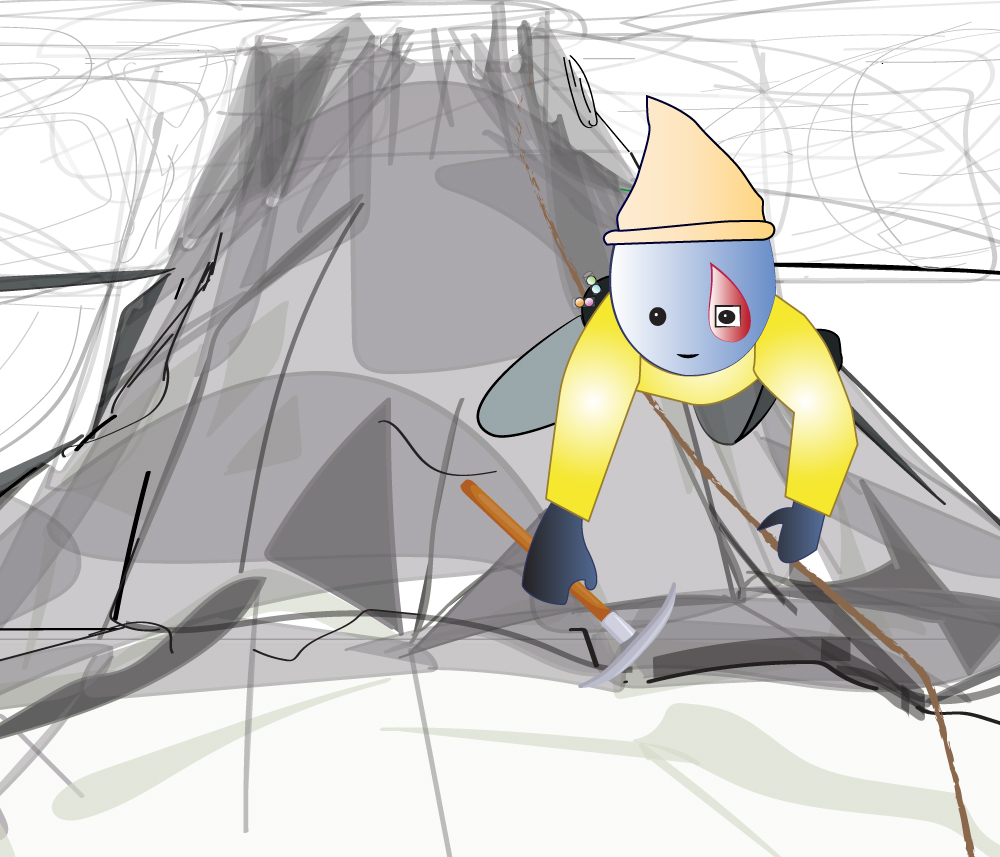
Pack Like a Pro
- CGM system or glucose meter with spare batteries
- Ketone testing supplies
- Fast-acting insulin pen and glucagon kit
- Fast-acting and slow-release carbohydrates
- Insulin stored in insulated, body-warm pockets
- Adequate water and electrolyte drinks
Tip: If a glucose meter becomes cold, warming it close to the body may improve accuracy.
PreTrip Health Checks
Before participating in high-altitude or winter sports:
- Complete recommended eye and kidney health screenings
- Review blood pressure and cardiovascular status
- Protect areas with reduced sensation to prevent frostbite.
Glucose Management During Activity
- Check glucose regularly, including before meals, during activity, and at rest periods
- Keep carbohydrates easily accessible and protected from freezing
- Drink approximately 250 ml of fluid every 30 minutes during prolonged activity
- Consider reducing basal insulin by 10–20% during heavy training days
- Ensure companions know how to use emergency supplies
Emergency Preparedness
After intense physical effort, glucagon may be less effective. Continued carbohydrate intake and hydration are important.
If insulin delivery systems freeze or malfunction, switch to backup injection methods immediately.
Bonus Tips
- Choose carbohydrate snacks that remain palatable in cold conditions
- Monitor wind chill to reduce frostbite risk
- Avoid rapid insulin stacking after exercise and allow time for stress hormones to settle
With appropriate preparation, reliable equipment, and flexible insulin management, people with type 1 diabetes can safely participate in trekking, climbing, and winter sports.
Related Articles
3-5-1 High Altitude Trekking & Winter Sports: A Type 1 Diabetes Survival Guide
Managing blood glucose safely during trekking, skiing, and cold-weather activity
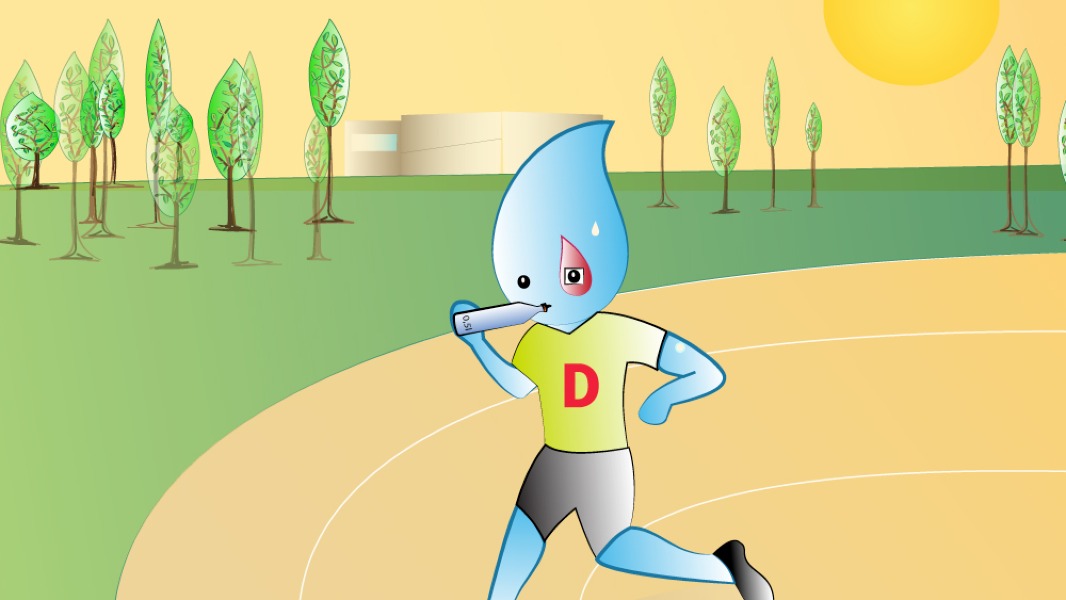
5-1-3 Staying Hydrated: Preventing Dehydration in Sports with Type 1 Diabetes
How proper hydration supports blood glucose control and athletic performance
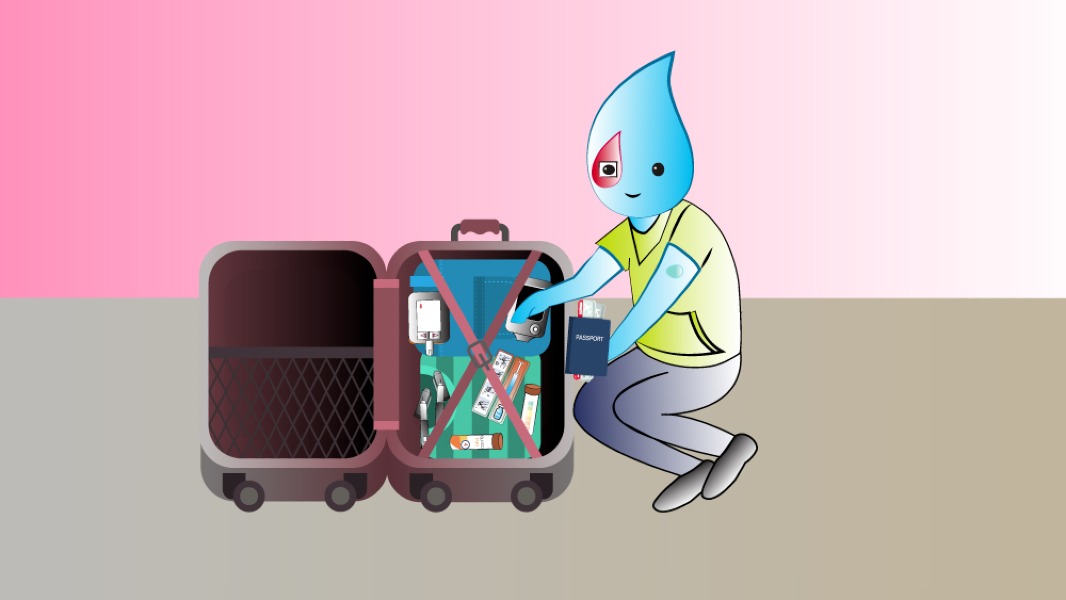
5-2-1 Training Camps and Traveling Abroad with Type 1 Diabetes
How to plan, pack, and manage blood glucose safely while away from home
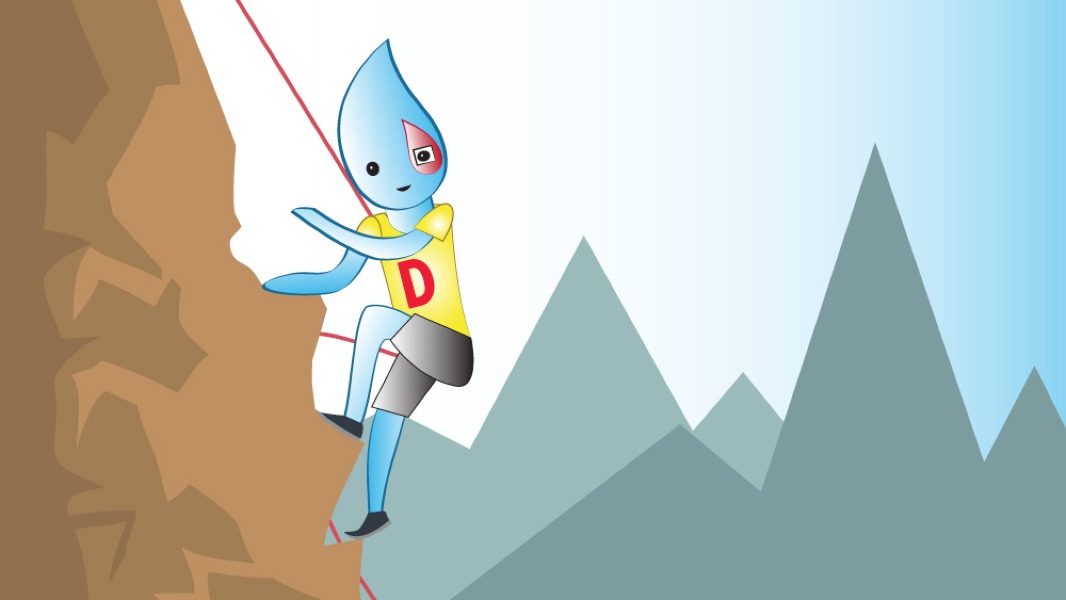
3-5-8 Extreme and Adventure Sports with Diabetes
Managing blood glucose safely in challenging and unpredictable environments
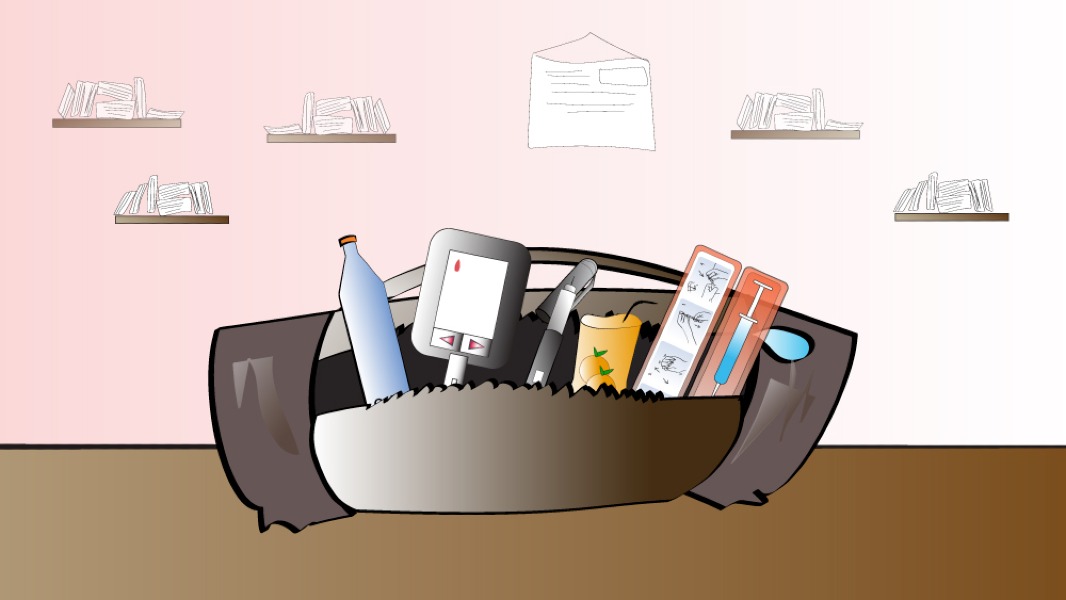
4-2-1 Blood Glucose Monitoring and Bag Packing for Sports with Type 1 Diabetes
How to stay prepared, safe, and confident during physical activity
