2-4-2 Rebound Hyper: Why Blood Sugar Spikes After a LowCoaster
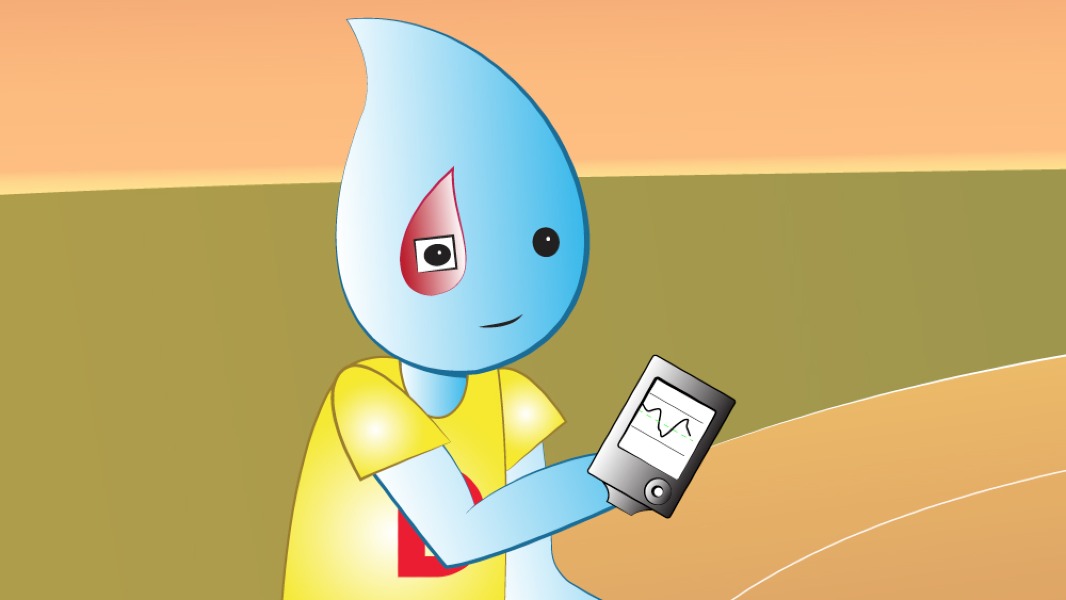
Understanding post-hypoglycaemia highs and how to prevent glucose swings
Rebound hyperglycaemia refers to a rapid rise in blood sugar that occurs after treating low blood glucose. It is a common challenge for people with diabetes, especially after exercise or poorly treated hypoglycaemic episodes. This article explains why rebound highs happen, how to treat lows safely, and how to prevent large glucose fluctuations to support stable diabetes management and athletic performance exercise spikes, how to treat lows without coaster.
What Is Rebound Hyperglycaemia?
Rebound hyperglycaemia occurs when blood glucose levels rise above 10 mmol/L (180 mg/dL) within a short time after a hypoglycaemic episode. It often develops within two hours of treating a low blood sugar event. This phenomenon is especially common after intense or prolonged physical activity, when muscle glucose stores are depleted and insulin sensitivity is increased. When blood sugar drops too low, the body activates protective hormones such as adrenaline, cortisol, and growth hormone. These hormones signal the liver to release stored glucose into the bloodstream. At the same time, people often consume carbohydrates to treat the low. Together, these processes can lead to an excessive rise in blood sugar.
Common Causes of Rebound Highs
The most frequent triggers of rebound hyperglycaemia include:
- Overtreating hypoglycaemia with excessive carbohydrates
- Panic eating after a low blood sugar episode
- Inadequate carbohydrate intake before or during exercise
- Delayed insulin adjustment after physical activity
- High stress hormone release during intense training
When both hormonal glucose release and excessive carbohydrate intake occur, blood sugar levels may rise sharply.
How to Treat Lows Without Causing Rebound Hyperglycaemia
Correct treatment of hypoglycaemia is the key to preventing rebound highs.
The recommended “15–15 rule” should be followed:
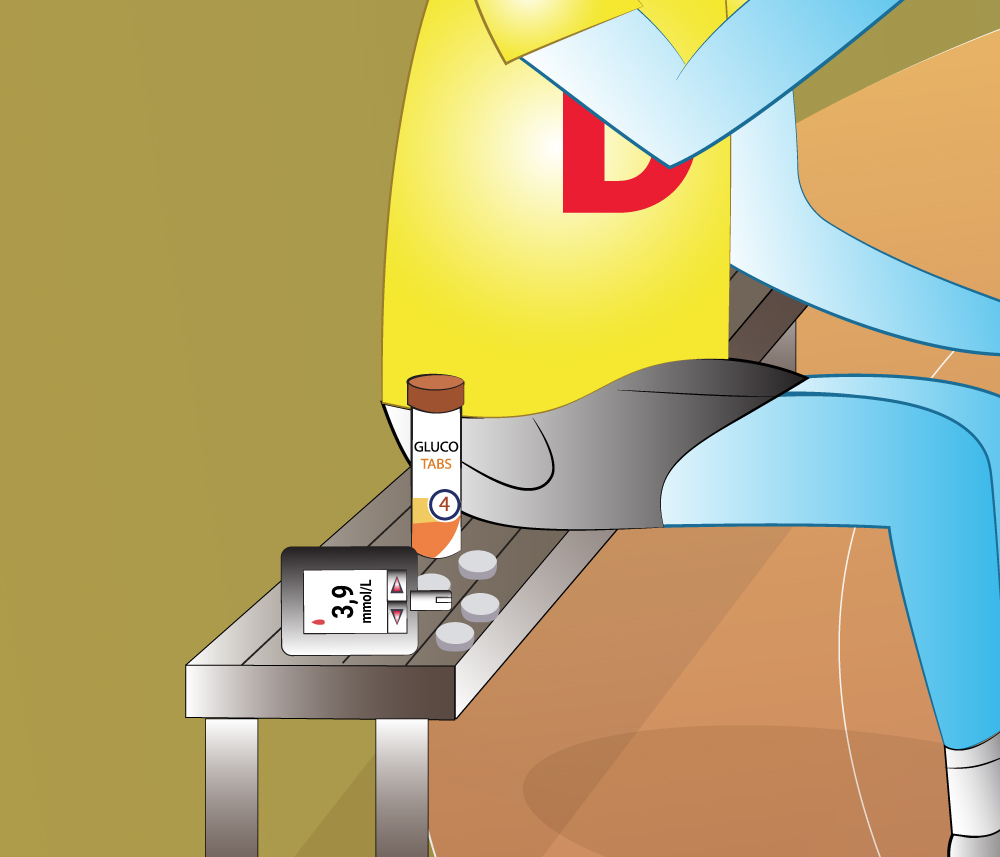
- Consume 15 grams of fast-acting carbohydrates.
- Wait 15 minutes.
- Recheck blood glucose levels.
- Repeat only if levels remain low.
Extra “just in case” snacks should be avoided, as they increase the risk of rebound hyperglycaemia. In cases of severe hypoglycaemia, modern glucagon formulations may help restore glucose levels with less risk of excessive rebound.
Avoiding Overcorrection With Insulin - The “Rage Bolus” Trap
Seeing high glucose levels after treating a low can be frustrating. However, giving repeated correction doses too quickly may cause another hypoglycaemic episode. Insulin requires time to act. After exercise, increased insulin sensitivity may persist for several hours. It is recommended to:
- Wait before giving additional correction doses
- Monitor glucose trends using a CGM
- Focus on hydration and rest
- Consult healthcare providers for individual adjustment plans
Avoiding “stacking” insulin doses helps prevent further glucose instability.
Build a Prevention Plan
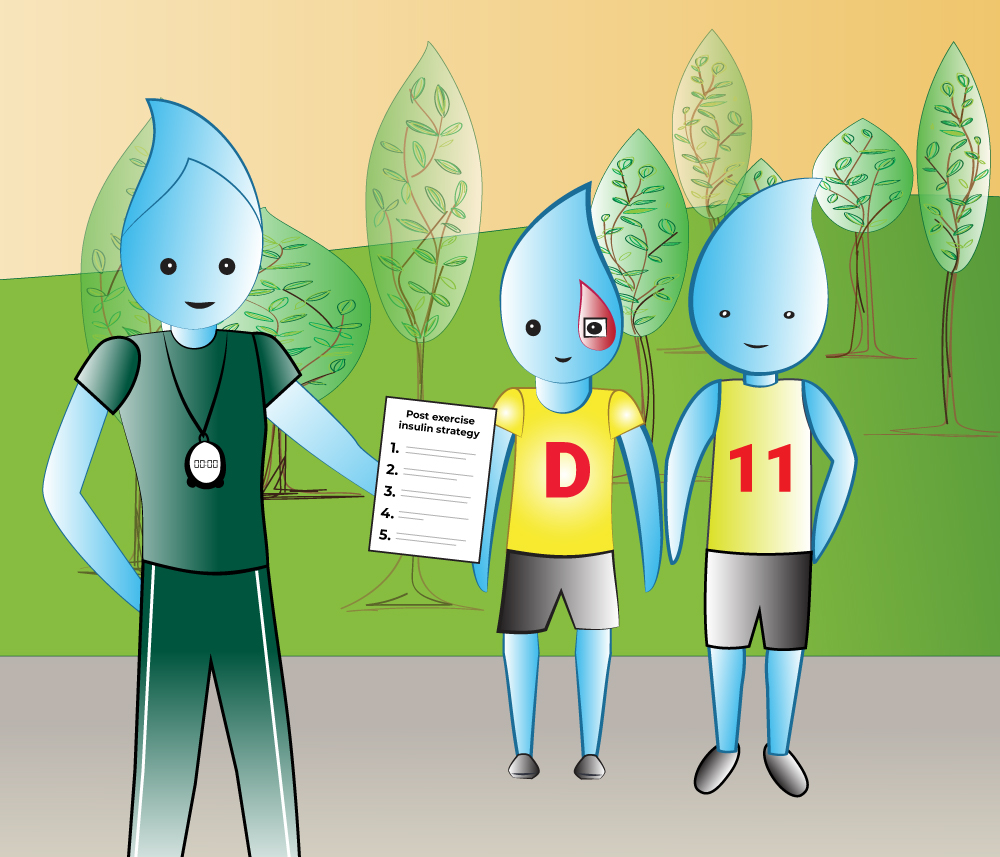
Preventing rebound hyperglycaemia requires consistent planning:
- Adjust insulin before exercise when recommended
- Use CGM alerts to detect early glucose drops
- Carry measured carbohydrate portions for hypo treatment
- Choose slow-release snacks for long training sessions
- Review glucose patterns with a diabetes care team
After physical activity, short-term glucose variability may occur. In many cases, the long-term benefits of exercise outweigh temporary fluctuations. With proper preparation and education, rebound hyperglycaemia can be reduced, supporting better glucose stability and long-term health.
Related Articles
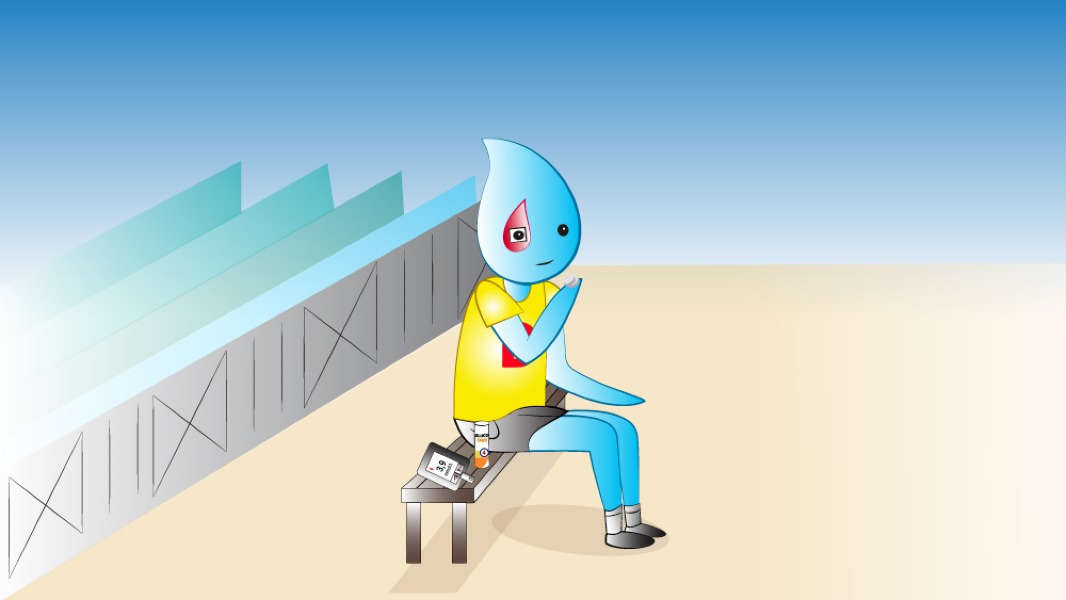
2-3-1 What is Hypo and How to Manage It?
Recognising low blood sugar and staying safe during physical activity
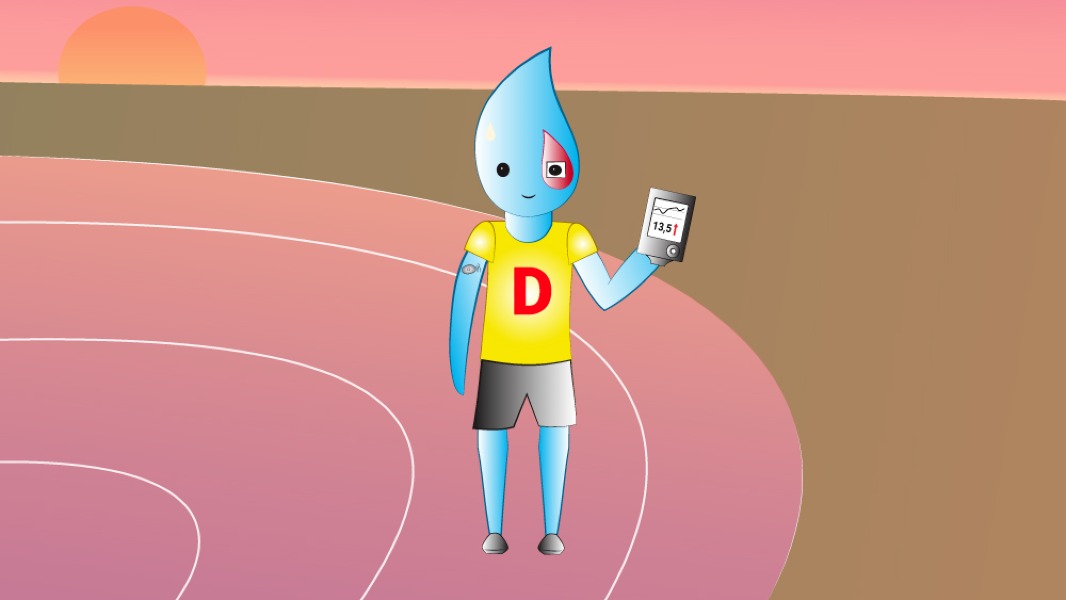
4-6-1 Reducing Hyperglycaemia During Exercise
Managing high blood glucose caused by stress hormones and insulin imbalance
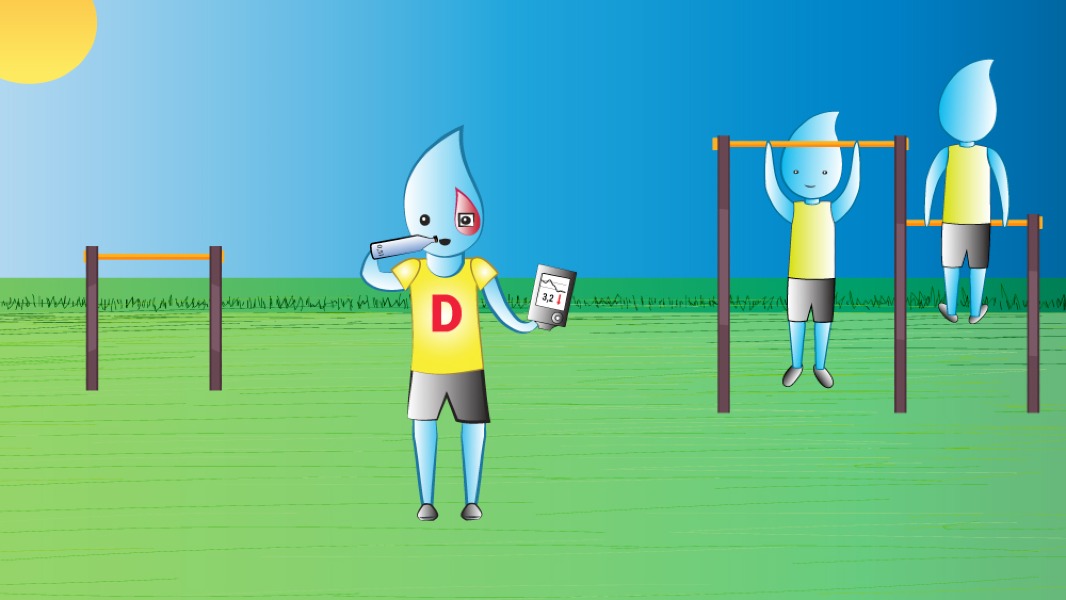
4-6-2 Reducing Hypoglycaemia During Exercise
Practical insulin and fueling strategies to prevent low blood glucose in sport
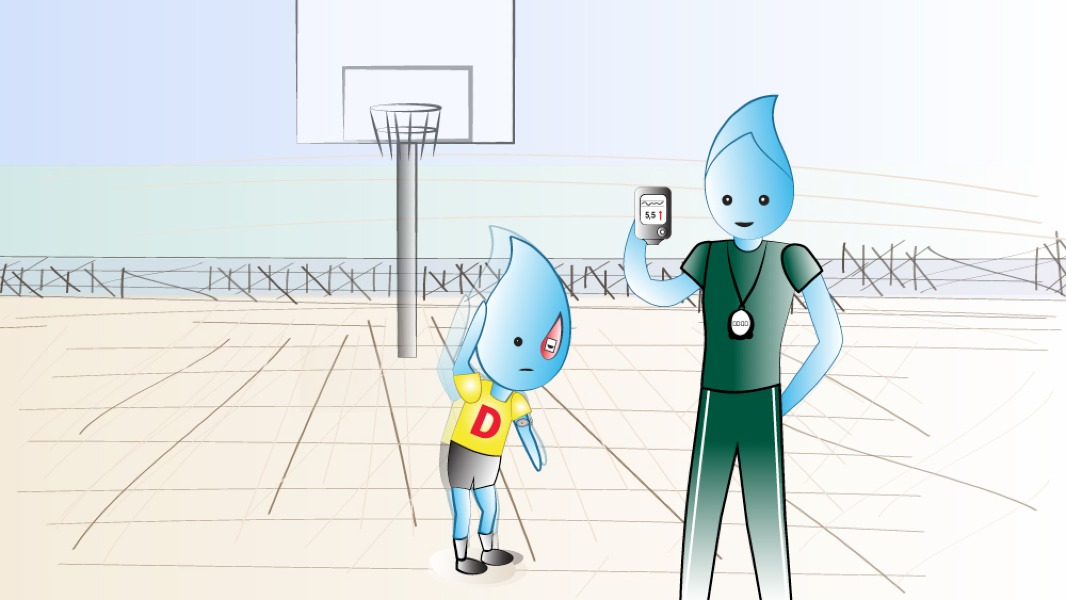
2-3-3 Severe Hypoglycaemia
Recognising, preventing, and responding to dangerous low blood glucose during physical activity
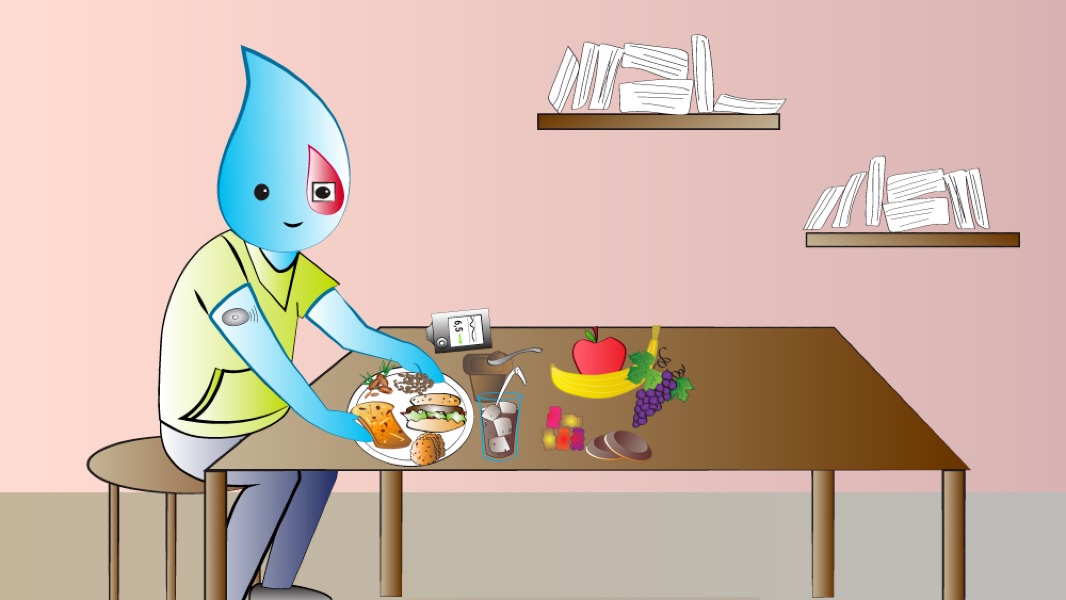
5-1-2 Glycemic impact
Understanding glycaemic index, carbohydrate timing, and fuel strategies in type 1 diabetes
