5-3 Insulin, Anti-Doping Rules, and Therapeutic Use Exemption (TUE)
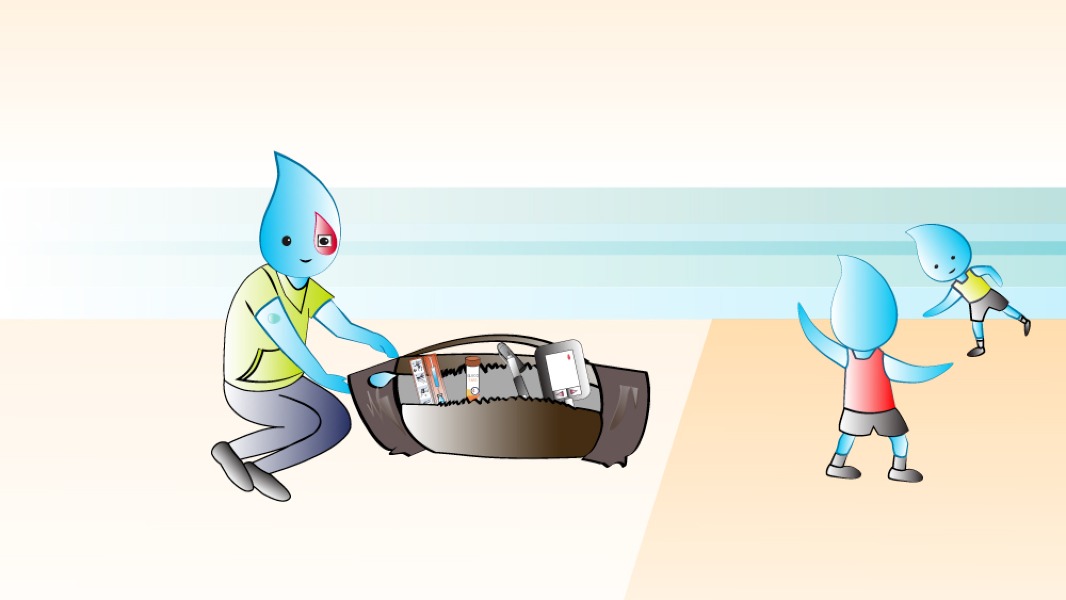
What athletes with type 1 diabetes need to know about fair play and medical rights
Insulin is an essential and life-saving treatment for people living with type 1 diabetes. At the same time, it is classified as a prohibited substance in sport when used without medical justification. For athletes with diabetes who are subject to doping control, understanding anti-doping regulations and obtaining a valid Therapeutic Use Exemption (TUE) is essential. This article explains why insulin is regulated, how TUE works, and how athletes can compete safely and fairly.
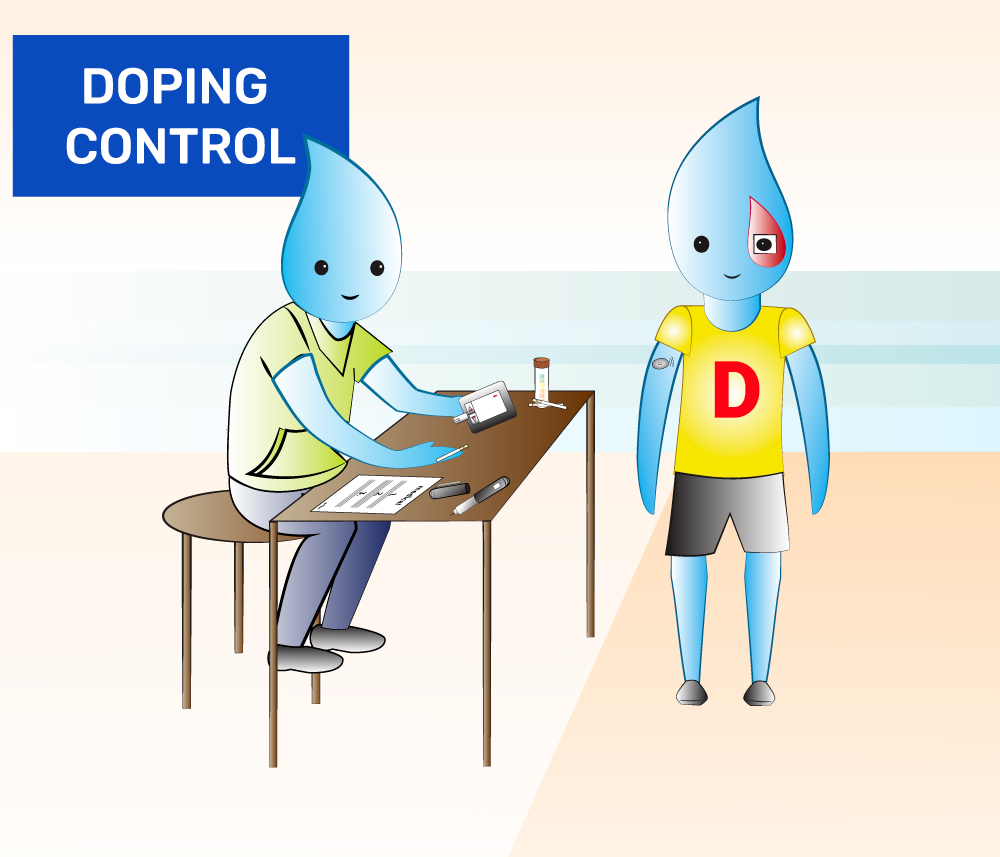
Why Insulin Is Regulated in Sport
Insulin allows people with type 1 diabetes to regulate blood glucose and maintain normal physical function. With appropriate medical use, athletes with diabetes can train and compete safely and successfully.
However, insulin also affects:
- Carbohydrate metabolism
- Fat metabolism
- Protein synthesis
- Muscle recovery
- Glycogen storage
When misused by people without diabetes, insulin may artificially enhance performance. It can increase muscle energy stores, promote muscle growth, and improve recovery. For this reason, insulin is classified as a prohibited substance under international anti-doping regulations.
Misuse of insulin is also dangerous and may cause severe hypoglycaemia, loss of consciousness, and life-threatening complications.
Insulin and the WADA Prohibited List
According to the World Anti-Doping Agency (WADA), insulin is listed under “Hormone and Metabolic Modulators” and is prohibited both in and out of competition.
A substance is considered prohibited when it meets at least two of the following criteria:
- Enhances or may enhance performance
- Poses health risks
- Violates the spirit of sport
Insulin meets all three criteria when used without medical supervision.
The Prohibited List is updated annually. Athletes are responsible for staying informed.
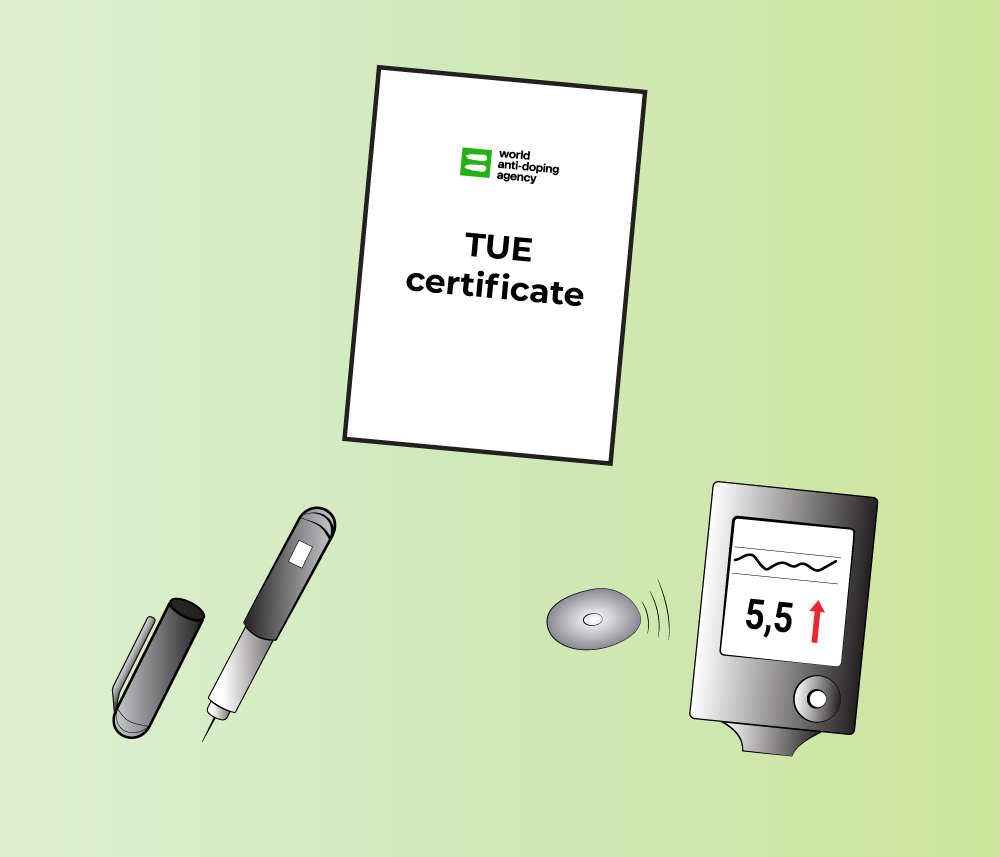
What Is a Therapeutic Use Exemption (TUE)?
A Therapeutic Use Exemption allows an athlete to use a prohibited medication for legitimate medical reasons.
A valid TUE specifies:
- Medication name
- Dosage
- Frequency
- Route of administration
- Duration of approval
For athletes with type 1 diabetes using insulin and subject to doping control, a TUE is mandatory.
Who Needs a TUE?
Athletes who:
- Compete at national or international level
- Are subject to doping testing
- Use insulin or other prohibited medications
must obtain a valid TUE.
Athletes apply to:
- National Anti-Doping Organizations (NADOs) for national-level athletes
- International Federations (IFs) for international-level athletes
Not directly to WADA.
How to Apply for a TUE
Step-by-Step Process
- Apply as soon as insulin therapy is prescribed.
- Have the application completed by the treating physician.
- Submit documentation via ADAMS or directly to the anti-doping organisation.
- Provide medical records and supporting evidence.
- Wait for review by the TUE Committee (TUEC).
- Receive a decision within approximately 21 days.
If denied, athletes have the right to appeal.
Athlete Responsibilities
Every athlete is responsible for:
- Knowing anti-doping regulations
- Maintaining valid TUE documentation
- Renewing TUE on time
- Reporting changes in treatment
- Checking medications and supplements
- Avoiding unverified supplements
Failure to follow these rules may result in sanctions, even when medication is medically necessary.
Common Myth
Myth
“If I use insulin for diabetes, I do not break any anti-doping rule.”
Staying Safe and Competitive
With correct documentation, regular monitoring, and medical supervision, athletes with type 1 diabetes can compete at the highest level while respecting anti-doping rules.
Open communication with healthcare providers and sports organisations supports long-term safety and success.
Fair Play Matters
Insulin Is Regulated
Athletes With Diabetes Can Compete
What Is a TUE?
TUE Details
Athlete Responsibility
Prohibited List
Why Insulin Can Be Dangerous
Supplements Warning
Remember - Clean sport protects health, fairness, and long-term success.
Learn more about antidoping here: ADEL by WADA
Related Articles
2-2 Busting Myths About Diabetes and Sports
Separating facts from fiction for active living with diabetes
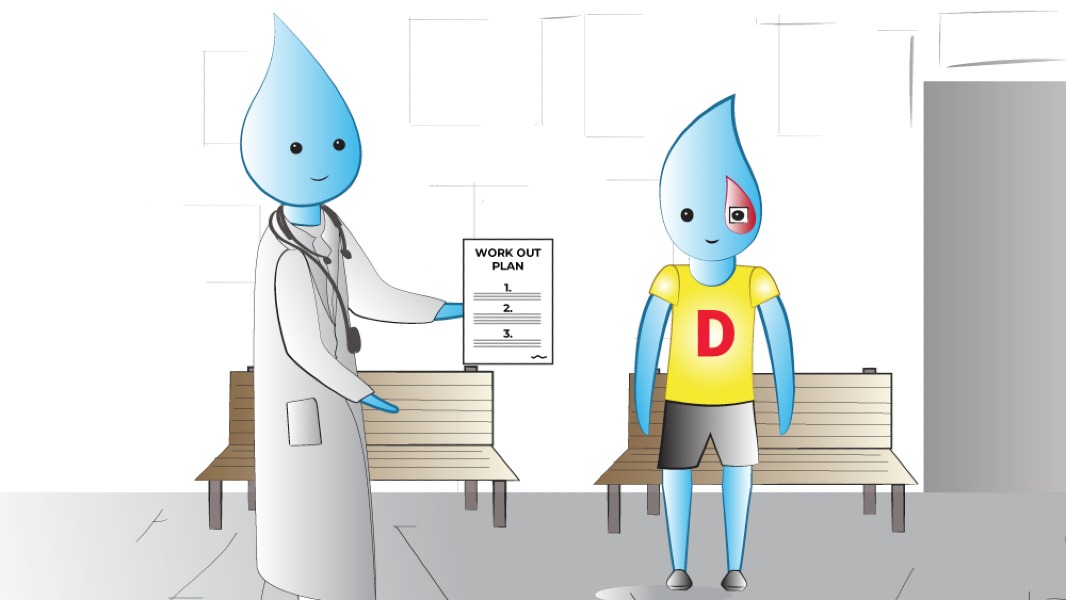
4-1-3 Starting or Returning to Sport with Diabetes: Talking to Your Healthcare Professional
How to prepare for a safe and personalised exercise plan
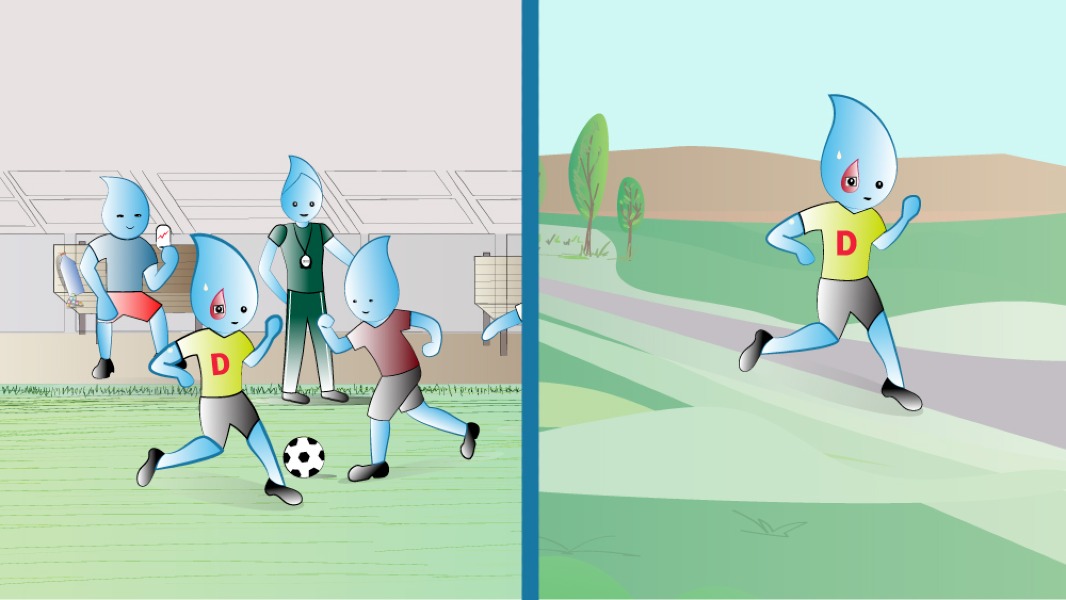
3-5-4 Individual and Team Sports with Diabetes
How to choose the right activity for your health, confidence, and glucose control
6-2-4 Motivation Strategies for Teams with Athletes Who Have Diabetes
How coaches and teammates can build confidence, inclusion, and long-term success
