4-1-3 Starting or Returning to Sport with Diabetes: Talking to Your Healthcare Professional
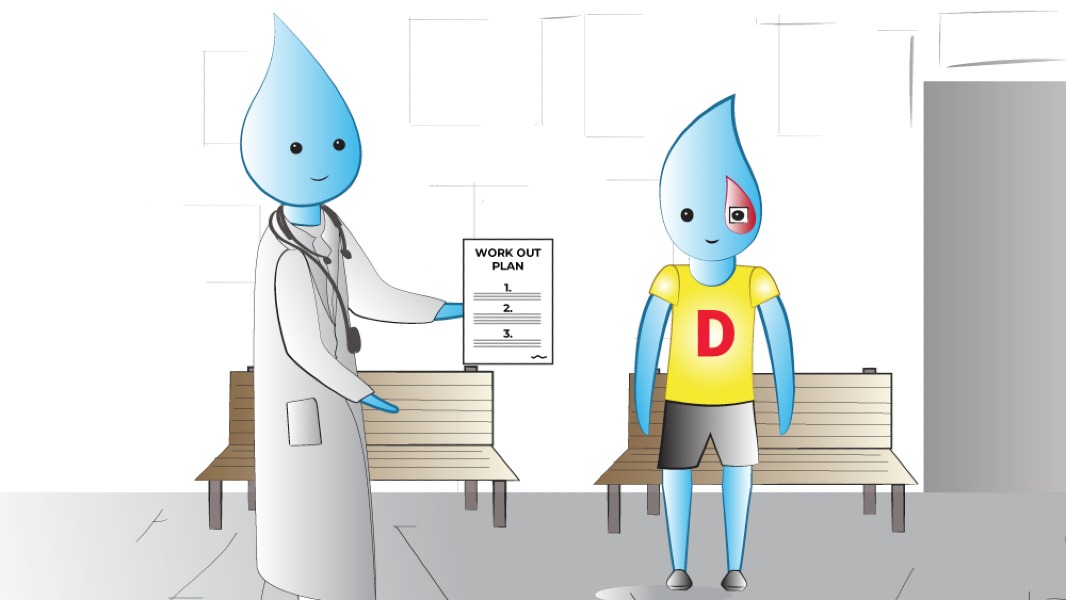
How to prepare for a safe and personalised exercise plan
If you live with type 1 diabetes and want to start or return to sport, discussing your plans with your healthcare team is an important first step. Exercise affects insulin needs, blood glucose patterns, and recovery. Preparing for this conversation helps you create a personalised plan that supports safe participation, stable glucose control, and long-term performance.
Why Collaboration with Your Healthcare Team Matters
Participating in sport with type 1 diabetes is absolutely possible, but it requires structured planning. Whether you are beginning a new activity or returning after a break, your healthcare professional can provide guidance on insulin adjustment, glucose monitoring, hydration, and hypoglycaemia prevention.
Exercise intensity, duration, and environment all influence blood glucose levels. A collaborative approach helps you anticipate glucose changes and reduce the risk of unexpected highs or lows.
Being prepared for your appointment improves the quality of discussion and supports more effective diabetes management during physical activity.
Preparing for Your Appointment
Before meeting with your healthcare team, gather information about:
- The type of sport or activity you plan to do
- Expected training frequency and intensity
- Previous experiences with blood glucose changes during exercise
- Any concerns about hypoglycaemia, hyperglycaemia, or performance
Bringing recent glucose data, insulin dosing records, and notes about past challenges can support a personalised discussion.
Key Questions to Ask
Consider discussing:
- How should insulin doses be adjusted before, during, and after exercise?
- What blood glucose range is safest before starting activity?
- How can hypoglycaemia and hyperglycaemia be prevented during training?
- When should ketones be checked?
- What types of carbohydrates should always be available?
- How does hydration affect blood glucose during sport?
These questions help clarify expectations and build confidence.
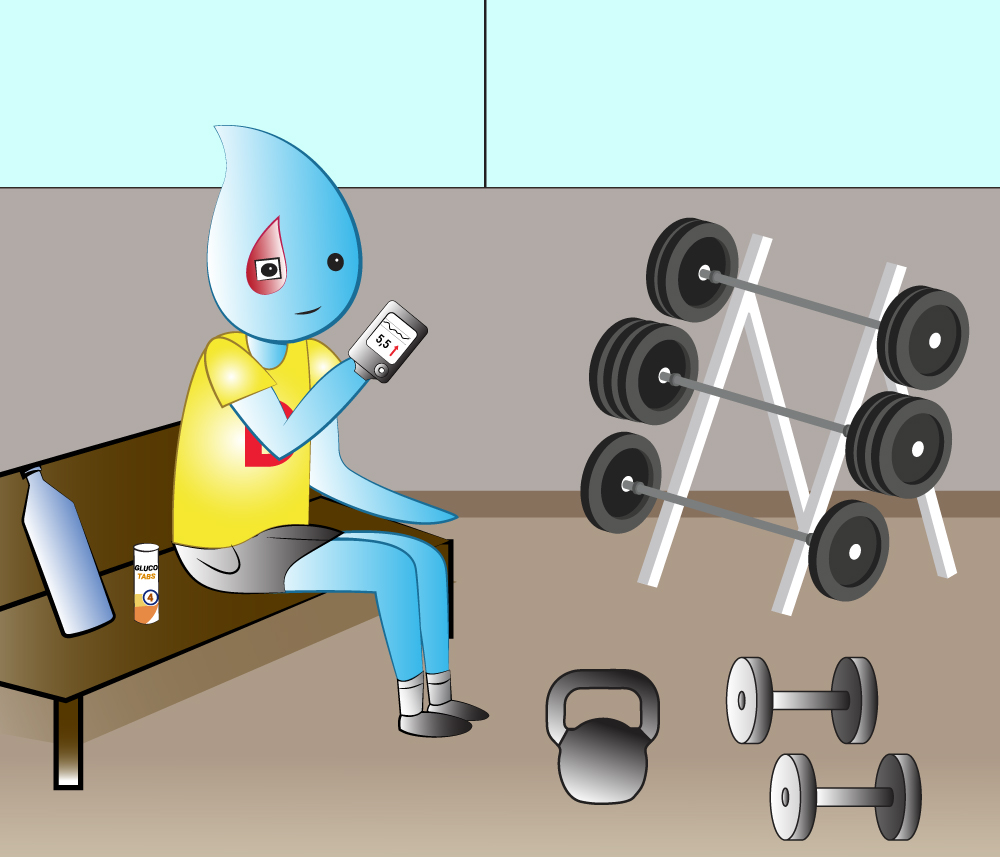
Adjusting Your Diabetes Plan
Your healthcare team may recommend:
- Modifying insulin doses to reduce hypoglycaemia risk
- Setting specific glucose monitoring times during activity
- Testing different snack strategies for endurance
- Creating an emergency action plan for severe highs or lows
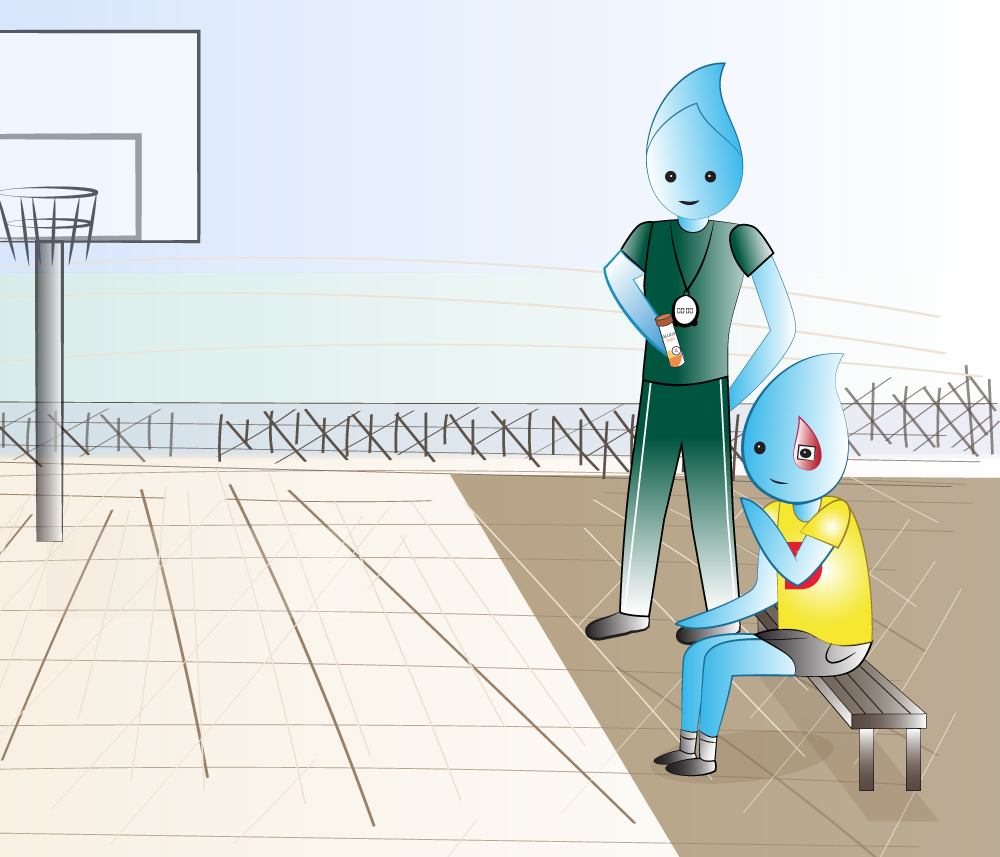
- Informing coaches, teammates, or teachers about support measures
Personalised planning improves safety and long-term consistency.
Building Confidence Over Time
After establishing a plan, begin gradually and monitor your body’s response. Use a logbook or digital app to track glucose trends, insulin adjustments, and recovery patterns.
Regular follow-up with your healthcare team allows fine-tuning of strategies as training intensity increases.
With open communication and structured planning, people with type 1 diabetes can safely enjoy the physical and mental benefits of sport.
Related Articles
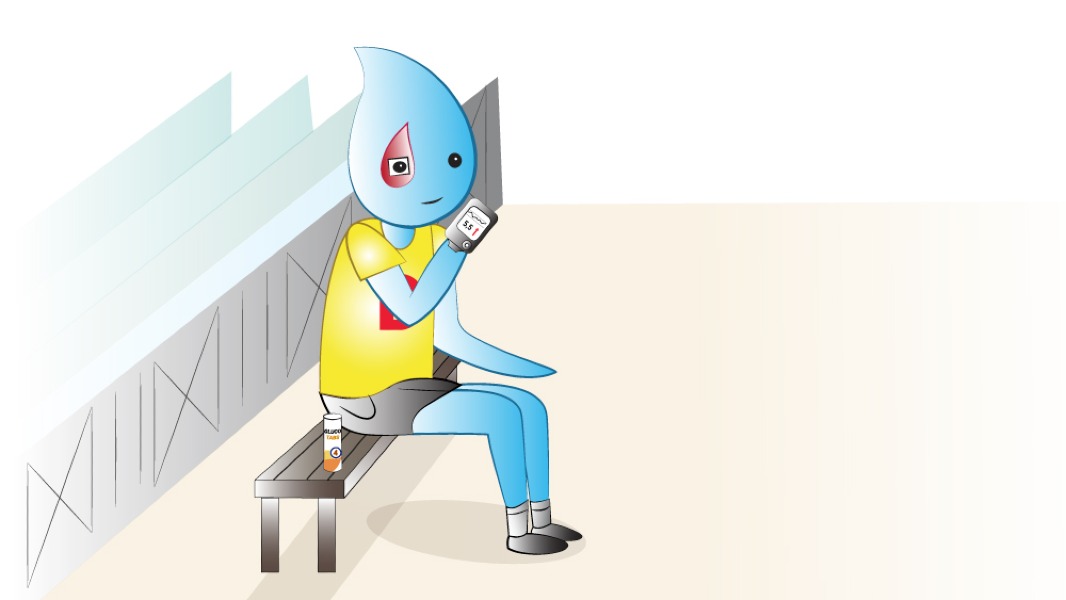
4-3 Preparing for Exercise with Type 1 Diabetes: What to Do Before You Start
Essential pre-workout steps for safe and confident physical activity
4-4 Staying in Control: Managing Type 1 Diabetes During Sport
Practical strategies for stable blood glucose during training and competition
6-1-3 Talking to Coaches
How to communicate your needs and stay safe while training and competing
4-5 Recovering After Sport With Type 1 Diabetes
How to stabilise blood glucose, refuel, and prevent delayed hypoglycaemia
2-5 Diabetes Technology in Sports: Gear That Keeps Your Glucose GameReady
How modern diabetes devices help athletes stay safe, focused, and confident
