2-5 Diabetes Technology in Sports: Gear That Keeps Your Glucose GameReady
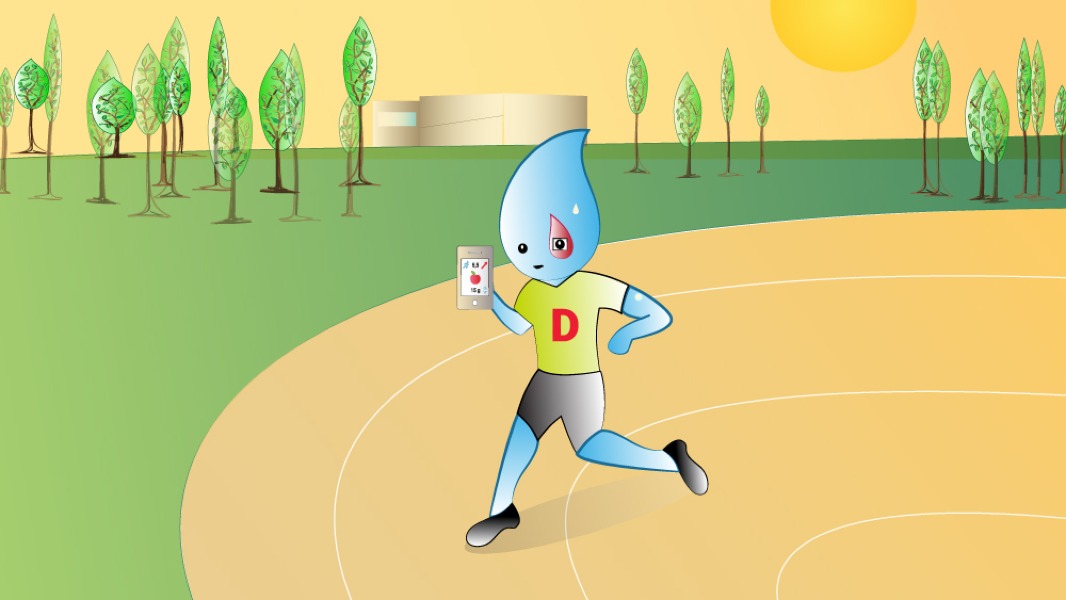
How modern diabetes devices help athletes stay safe, focused, and confident
Modern diabetes technology has transformed how people with diabetes manage physical activity and sports. Continuous glucose monitors (CGMs), insulin pumps, smart insulin pens, ketone meters, and mobile health apps provide real-time data and automated support. These tools help reduce the risk of hypoglycaemia and hyperglycaemia, allowing individuals to focus on performance while maintaining safe blood glucose control.powered apps have flipped the script on sports performance with Type 1 diabetes. Realtime data, automated insulin tweaks, and quick ketone checks reduce risk and let you focus on the win—not the numbers.
The Role of Diabetes Technology in Sports
By minute trends, buzzing your phone when a drop or spike is brewing. Pumps paired with those CGMs adjust basal rates on the fly, while ketone meters ensure hard training doesn’t tip into DKA. Top it off with tunes every workout.
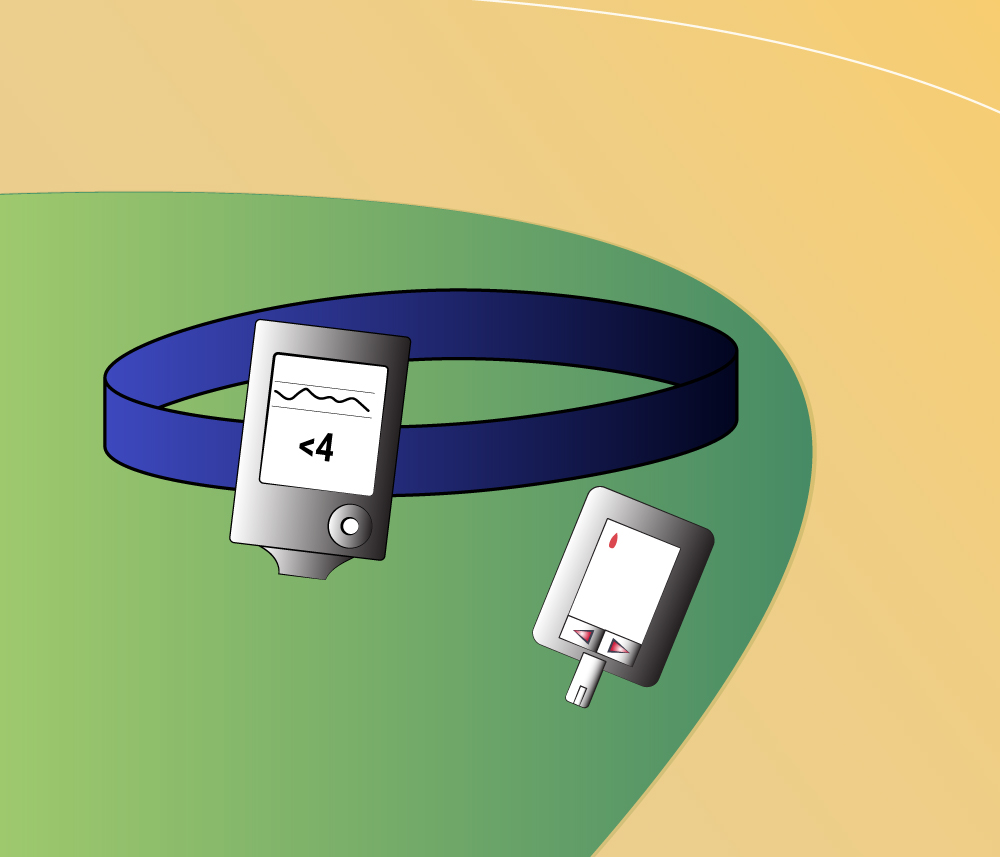
For athletes with type 1 diabetes, technology plays an important role in daily diabetes management and sports performance. Quick access to glucose data allows informed decisions before, during, and after exercise. Portable blood glucose meters provide fast confirmation checks when needed. Continuous glucose monitors (CGMs) deliver real-time glucose trends and alerts, helping users act early if levels are rising or falling. When combined with insulin pumps, automated insulin adjustments can reduce fluctuations during physical activity. Ketone meters add an additional safety layer by detecting elevated ketone levels, especially during illness, intense training, or prolonged hyperglycaemia.
Using digital tools to track glucose patterns, insulin doses, meals, and exercise sessions helps improve understanding of how the body responds to different types of physical activity.
Key Diabetes Devices for Active Lifestyles
Blood Glucose Meters and Ketone Testing
Fingerstick glucose meters remain important for quick confirmation, especially if CGM readings do not match symptoms. Ketone meters help detect early signs of insulin deficiency and reduce the risk of diabetic ketoacidosis (DKA).
Insulin Delivery: Pens, Syringes, and Pumps Insulin pens and syringes allow precise manual dosing.
Insulin pumps provide continuous basal insulin delivery and allow temporary adjustments, such as exercise modes during prolonged activity.
When integrated with CGM systems, some pumps use smart algorithms to automatically reduce insulin delivery if low glucose is predicted, helping prevent hypoglycaemia during sports.
Continuous Glucose Monitoring (CGM)
CGM systems provide continuous glucose data, trend arrows, and alerts. This reduces the need for frequent fingerstick testing and supports proactive glucose management. Setting personalised alert ranges for training can help maintain safer glucose levels during exercise.
Emergency Glucagon
Every athlete should keep a ready-to-use glucagon pen nearby during training and competition. Teammates and coaches should be trained in its proper use, as timely treatment can prevent serious complications and support a quick recovery.
Apps, Wearables & AI
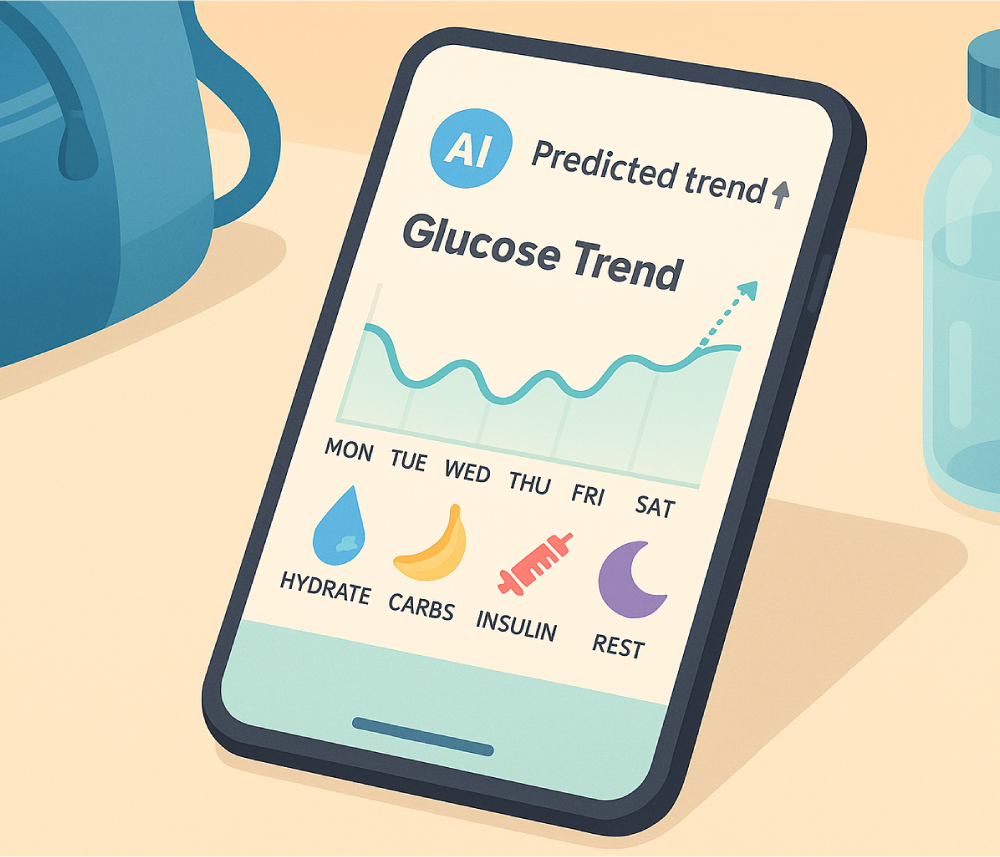
Many digital health apps integrate CGM, insulin, nutrition, and workout data into one platform. Some systems use artificial intelligence (AI) to identify glucose patterns and suggest adjustments for carbohydrate intake, hydration, or insulin dosing. Wearable devices that track heart rate, sleep, and temperature can provide additional context to glucose trends, supporting better performance and recovery.
GameDay Takeaway
Dial in these tools, and you’ll train harder, recover smarter, and compete with confidence—knowing your tech squad has your back every step, lap, or climb.
Related Articles
4-3 Preparing for Exercise with Type 1 Diabetes: What to Do Before You Start
Essential pre-workout steps for safe and confident physical activity
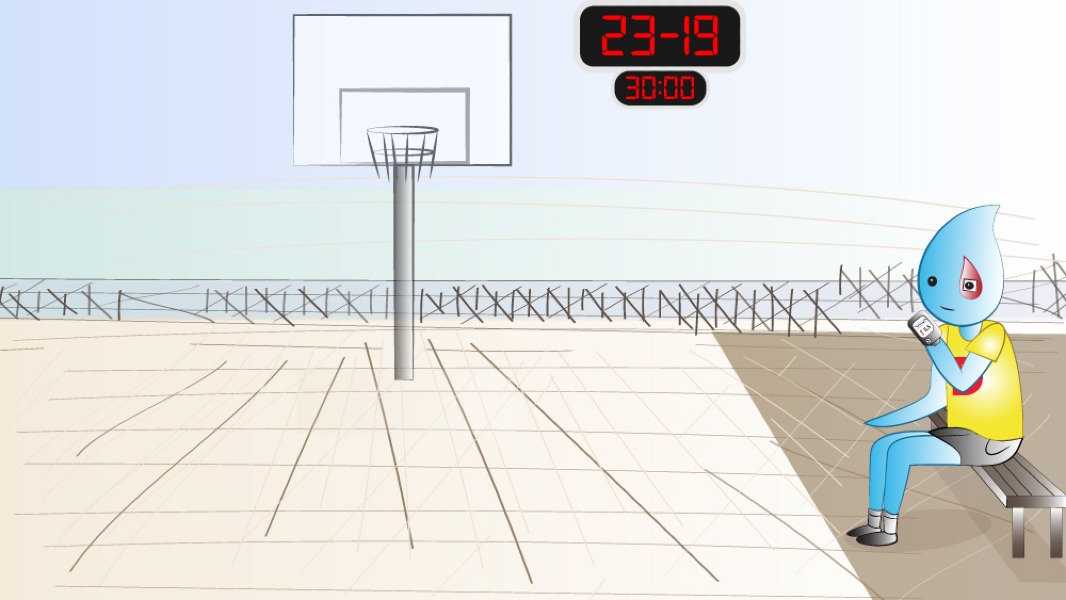
4-4 Staying in Control: Managing Type 1 Diabetes During Sport
Practical strategies for stable blood glucose during training and competition
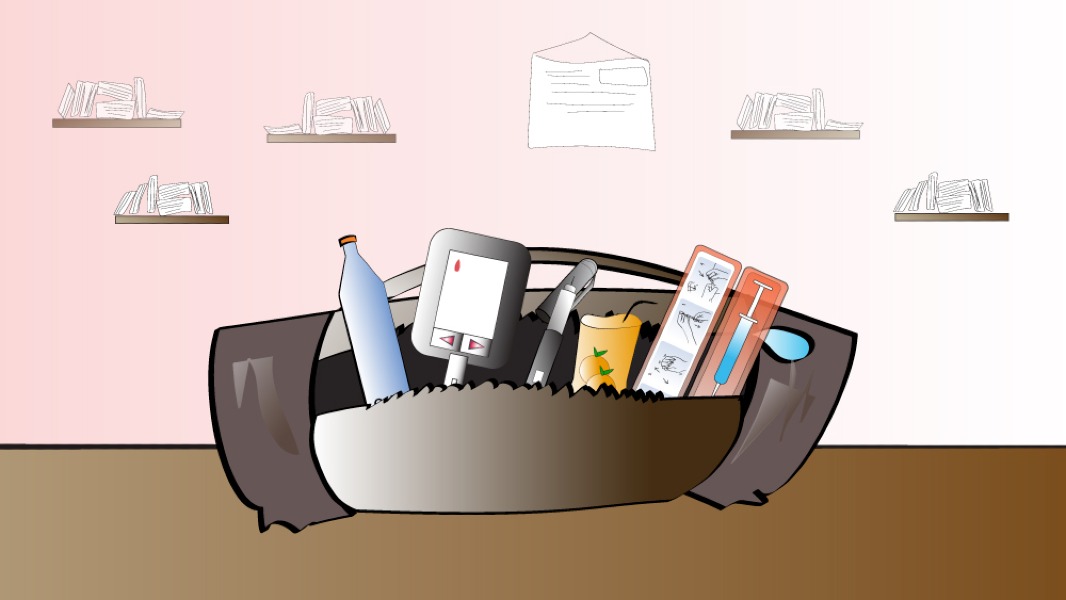
4-2-1 Blood Glucose Monitoring and Bag Packing for Sports with Type 1 Diabetes
How to stay prepared, safe, and confident during physical activity
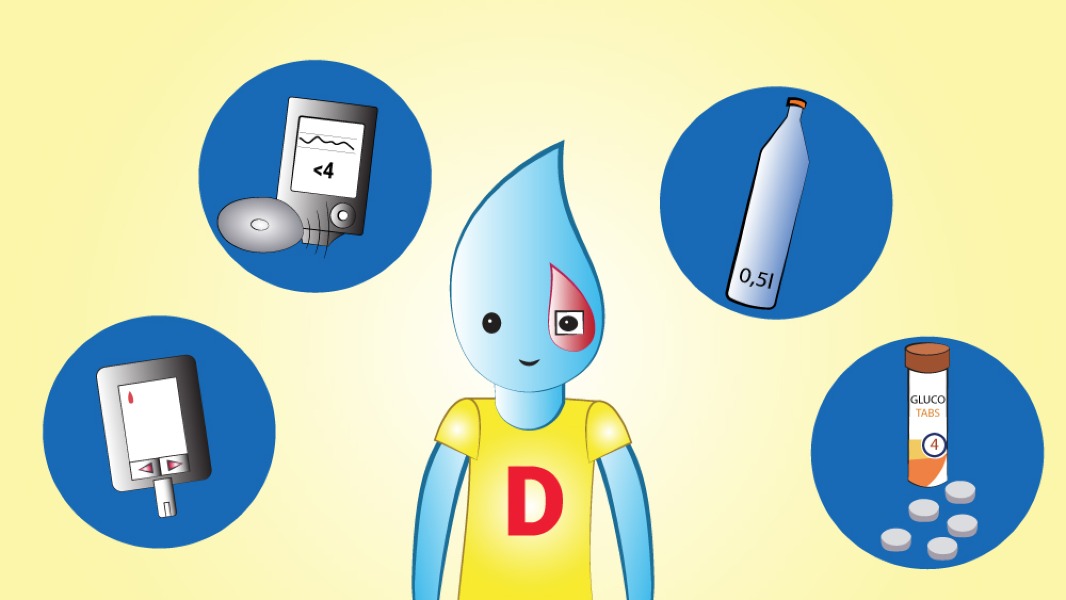
1-1 Understanding diabetes basics: A Quick Guide for Active Living
Essential knowledge for safe and confident physical activity
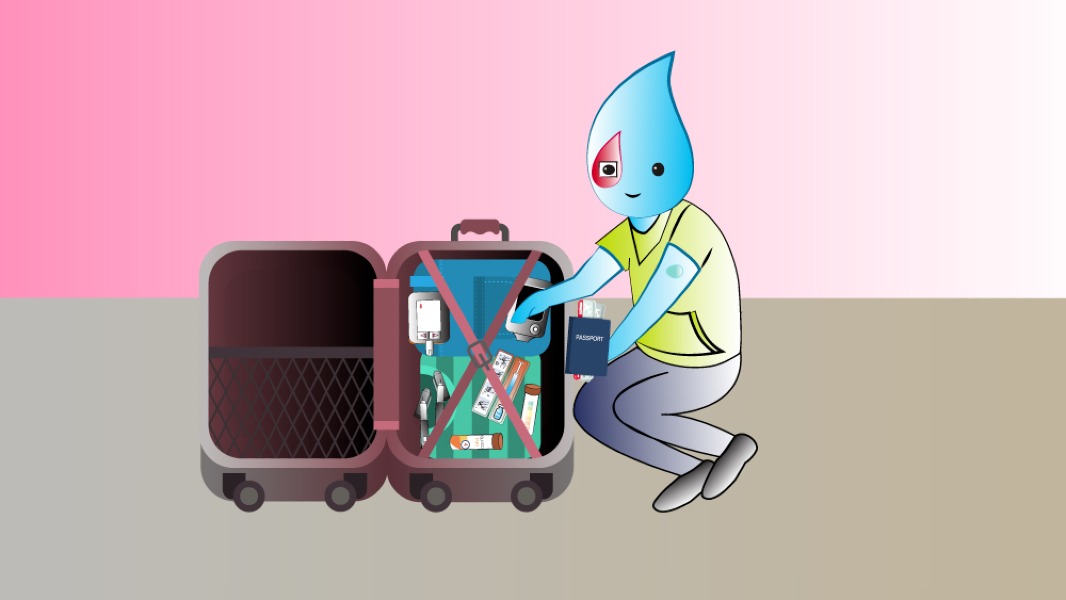
5-2-1 Training Camps and Traveling Abroad with Type 1 Diabetes
How to plan, pack, and manage blood glucose safely while away from home
