1-1 Understanding diabetes basics: A Quick Guide for Active Living
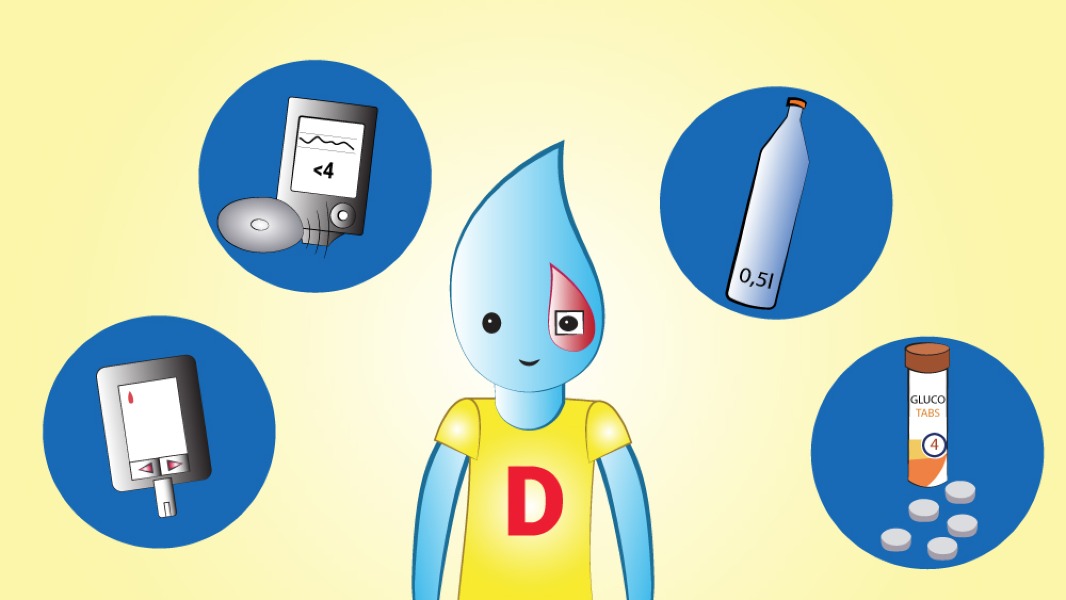
Essential knowledge for safe and confident physical activity
Whether you are newly diagnosed with diabetes or looking for a refresher, this guide explains how glucose, insulin, and hormones affect the body. It outlines the key differences between type 1 and type 2 diabetes and provides practical skills for monitoring, fueling, hydration, and managing blood sugar during exercise, helping people stay active with confidence.
How Diabetes Affects the Body
Diabetes occurs when the body has difficulty moving glucose from the bloodstream into the cells for energy.
In type 1 diabetes, the immune system destroys insulin-producing beta cells, making daily insulin treatment essential. In type 2 diabetes, the body still produces insulin but does not use it effectively due to insulin resistance.
Regardless of type, the main goals of diabetes management are to maintain blood glucose within a target range (usually 4–10 mmol/L), prevent long-term complications, and support safe participation in physical activity.
Tools such as glucose meters, continuous glucose monitors (CGMs), insulin pens, pumps, and carbohydrate counting play an important role in achieving these goals.
Practical Skills for Active Living With Diabetes
1. Smart Monitoring
- Use fingerstick meters before, during, and after exercise.
- CGMs provide real-time trends and early warnings of rising or falling glucose levels.
- Set personalised alerts (for example, below 5 mmol/L).
- Record special situations such as exams, menstrual cycles, altitude changes, or illness to understand personal patterns.
2. Hypoglycaemia—Your Quick Response Guide
Common symptoms include shakiness, sweating, and dizziness. If blood glucose is below 4 mmol/L:
- Consume 15 g of fast-acting carbohydrates (juice or glucose tablets).
- Recheck after 15 minutes.
- Repeat if necessary.
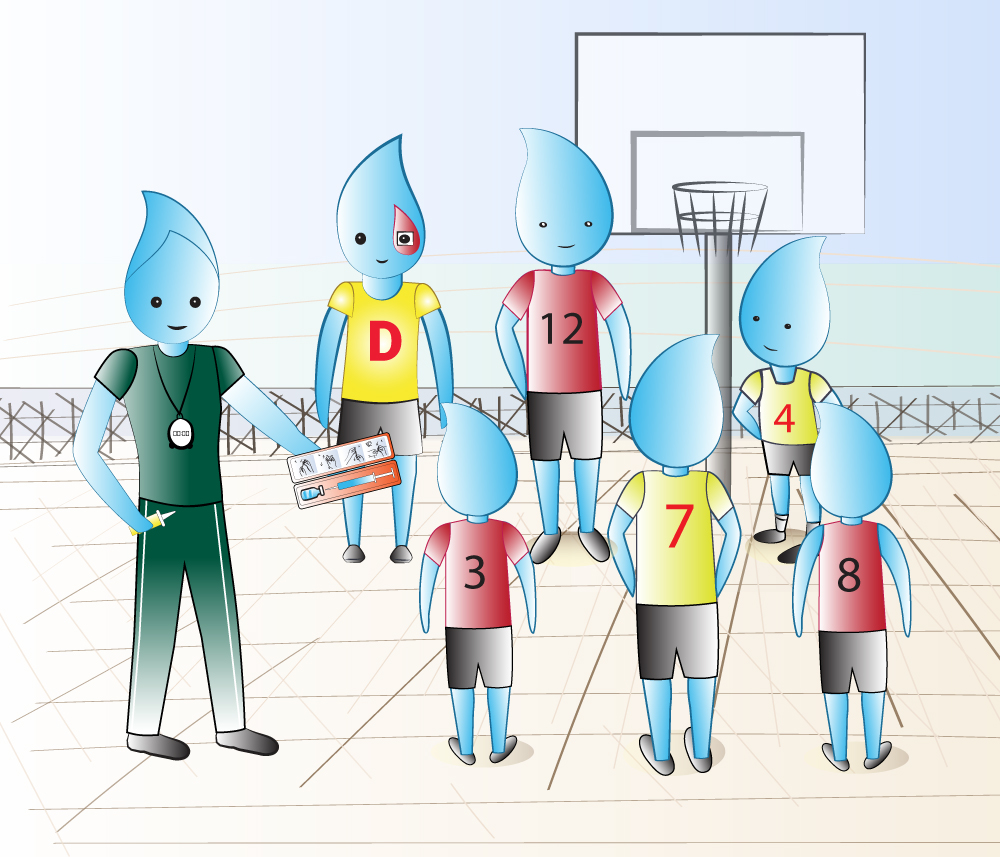
- Carry a glucagon pen for severe hypoglycaemia and ensure someone nearby knows how to use it.
3. Hyperglycaemia Checks
If blood glucose is above 14 mmol/L:
- Drink water and check ketone levels, especially before endurance exercise or in hot conditions.
- Follow sick-day rules if ketones are present.
- Delay intense activity until levels are stable.
4. Fuel & Hydrate
- Pre-workout: Drink about 500 ml of water 1–2 hours before activity. Eat a balanced meal with carbohydrates and protein 1–3 hours beforehand.
- During workout: For sessions longer than 60 minutes, aim for 15–30 g of carbohydrates per hour and regular fluid intake.
- Post-workout: Replace fluids and combine carbohydrates with protein to support recovery and stabilise glucose levels.
5. Insulin on the Move
- Reduce pre-exercise bolus doses or activate pump “exercise mode” for aerobic activity.
- High-intensity intervals may require careful correction if glucose rises.
- Hormonal changes, stress, and medications may increase insulin needs and should be monitored.
6. Hormones
Growth hormone in adolescence may cause early-morning glucose rises. Menstrual cycle changes can affect insulin needs, with higher requirements before menstruation and lower needs during bleeding.
Vitamin D deficiency and thyroid disorders may also influence blood glucose and should be checked regularly.
7. Tech & Apps
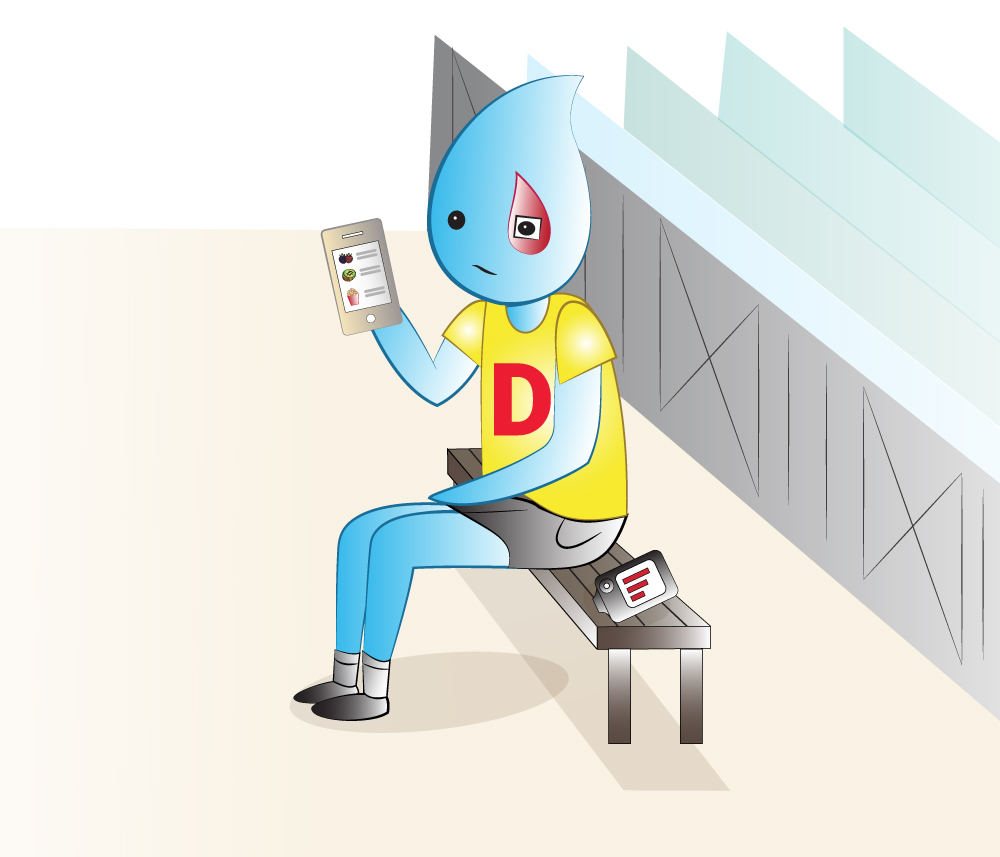
Mobile apps can support carbohydrate counting, insulin tracking, and activity monitoring. Choosing tools that match personal preferences improves long-term adherence. Find an app that works for you!
8. Mindset & Support
Sharing emergency plans with coaches, teachers, and teammates improves safety. Peer support groups can provide motivation and practical advice.
Regular physical activity—aiming for at least 150 minutes of combined aerobic and strength training per week—supports both physical and mental health.
Related Articles
2-2 Busting Myths About Diabetes and Sports
Separating facts from fiction for active living with diabetes
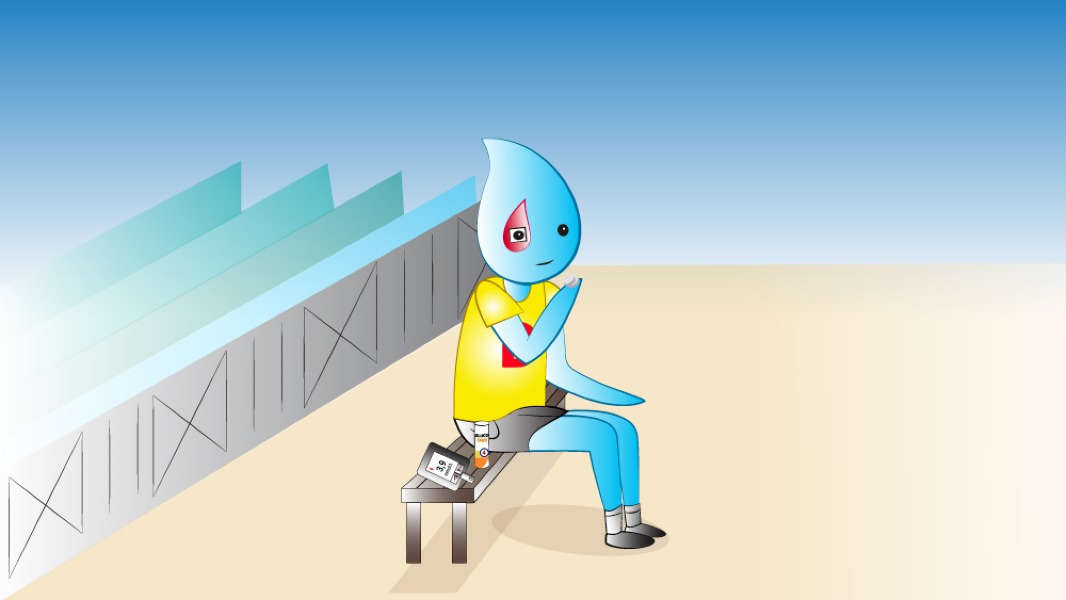
2-3-1 What is Hypo and How to Manage It?
Recognising low blood sugar and staying safe during physical activity
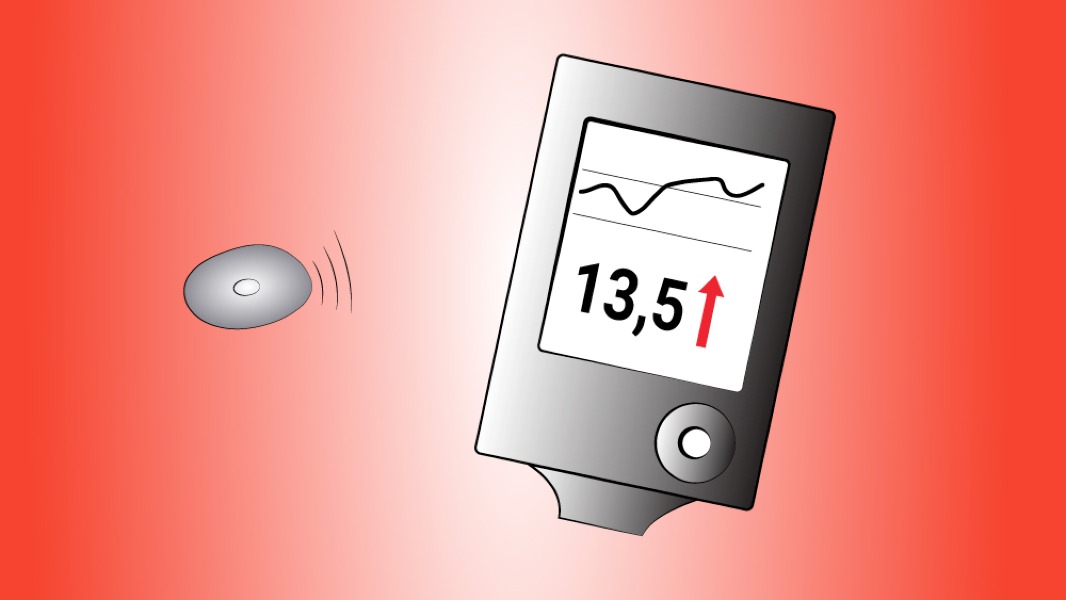
2-4-1 What is Hyper and How to Manage It?
Understanding high blood sugar and staying safe during physical activity
2-1 What is Diabetes and How to Manage it?
Understanding diabetes, treatment, and active living
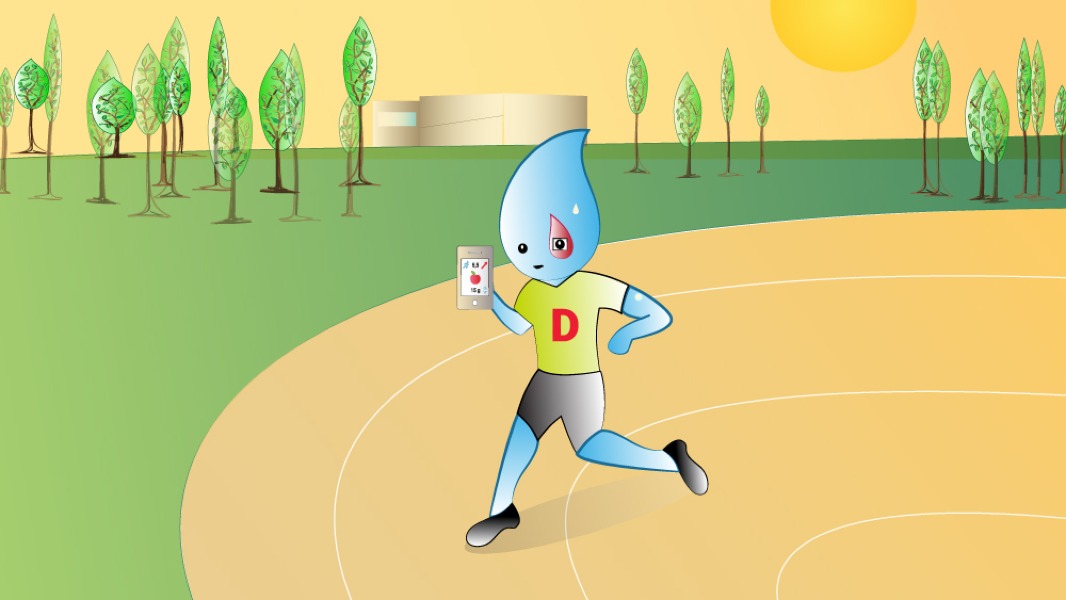
2-5 Diabetes Technology in Sports: Gear That Keeps Your Glucose GameReady
How modern diabetes devices help athletes stay safe, focused, and confident
