2-4-1 What is Hyper and How to Manage It?
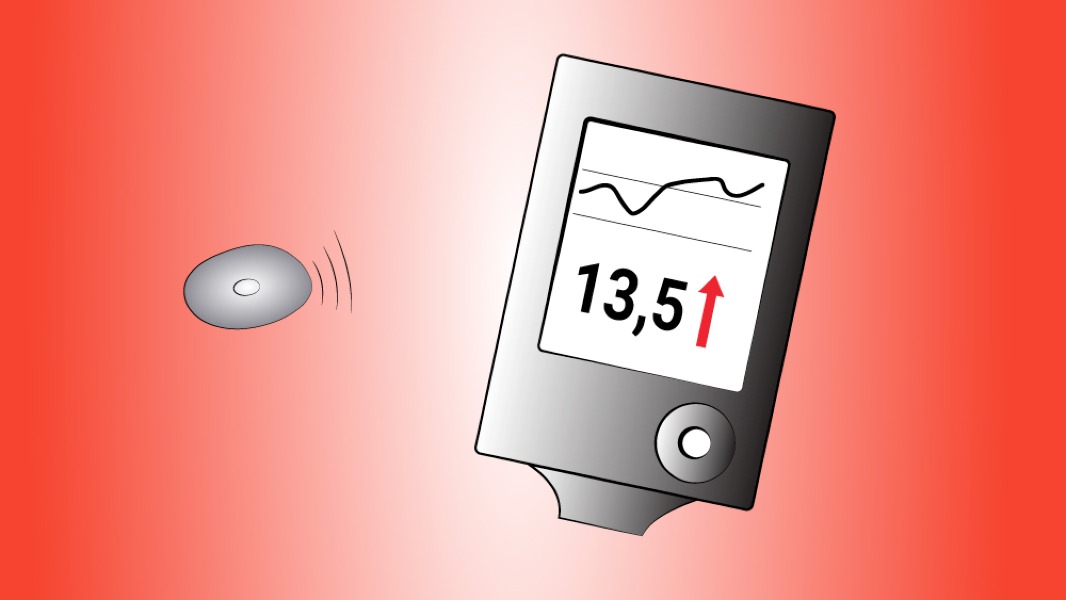
Understanding high blood sugar and staying safe during physical activity
Hyperglycaemia, or high blood sugar, is a common challenge for people with diabetes, especially during sports and physical activity. If not managed properly, it can reduce performance and increase health risks. This article explains the symptoms, causes, and practical steps for managing hyperglycaemia, helping individuals with diabetes stay active, safe, and healthy.
Understanding Hyperglycaemia in Diabetes
Hyperglycaemia occurs when blood glucose levels become too high. During physical activity, levels above 13.9 mmol/L (250 mg/dL) should be a warning sign to pause and check blood sugar. When possible, ketone levels should also be measured.
High ketone levels indicate that the body does not have enough insulin to use glucose properly. This situation requires immediate attention, as continued exercise may worsen the condition and increase the risk of serious complications.
High blood sugar can also appear after episodes of hypoglycaemia, even when insulin is present. For this reason, regular glucose monitoring is essential for safe diabetes management.
Symptoms of Hyperglycaemia
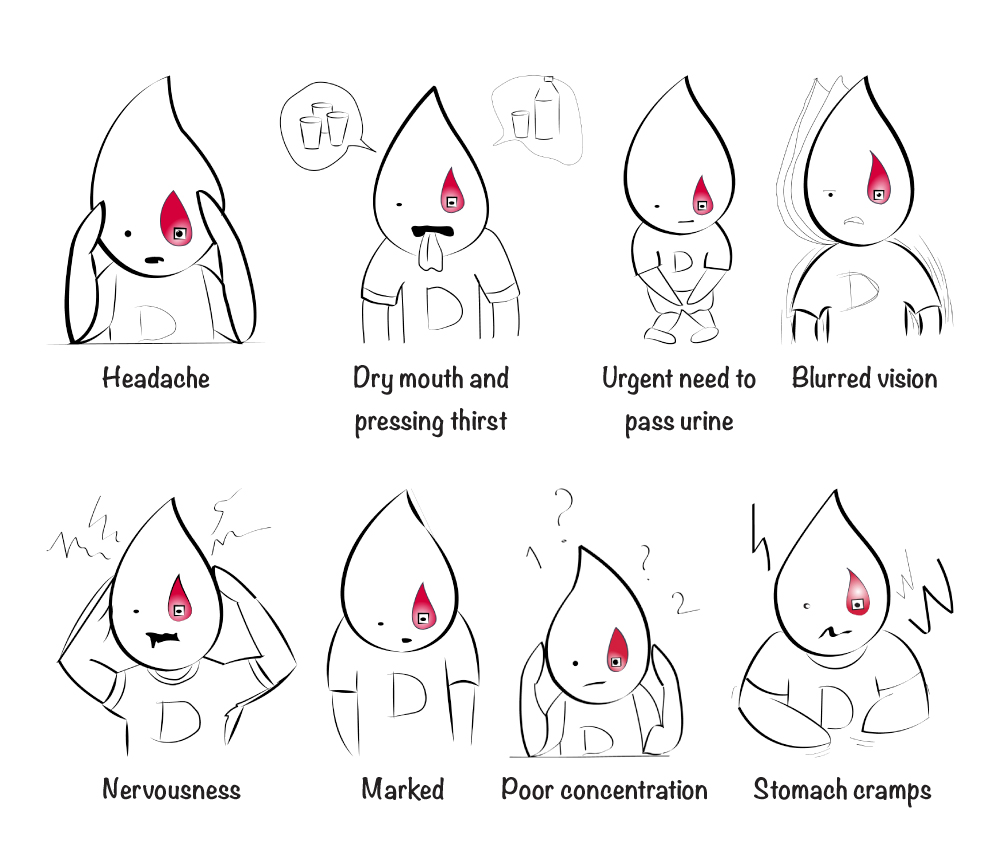
Hyperglycaemia symptoms vary, but some common signs include:
- Headache
- Dry mouth and intense thirst
- Frequent urination
- Poor concentration
- Nervousness
- Blurred vision
- Weakness and fatigue
- Stomach cramps
Other warning signs include:
- Small pupils
- Signs of dehydration (dry tongue, dry skin, low blood pressure)
- A distinct ketone smell (like rotten apples) on the breath
How to Manage Hyperglycaemia
If hyperglycaemia is suspected, blood glucose should be checked immediately.
If blood glucose is above 18 mmol/l (324 mg/dl):
- Stop physical activity immediately.
- Drink at least 500 ml of water slowly.
- Check ketone levels if possible.
- Monitor glucose trends using a CGM or recheck after 15 minutes.
- Contact a healthcare provider if levels remain high for insulin adjustment.
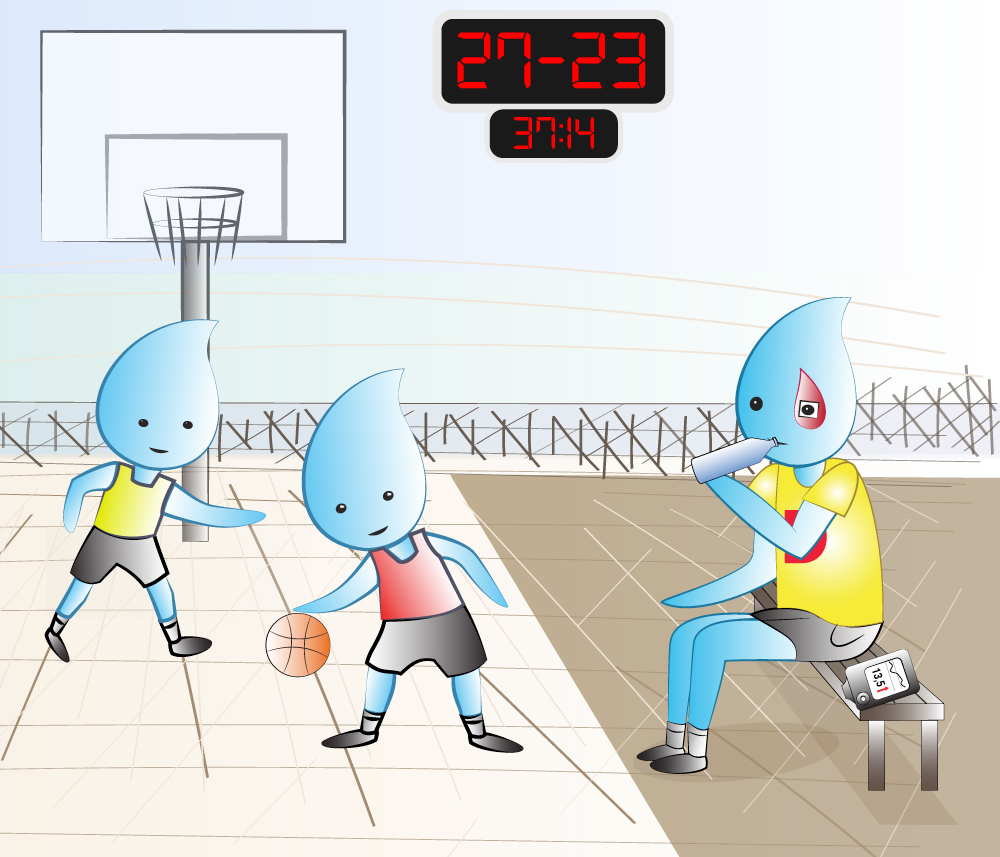
If blood glucose is around 14 mmol/L (252 mg/dl):
- Recheck glucose after 15 minutes.
- Check ketones if available.
- Monitor trends using a CGM system.
- Continue exercise only if glucose is stable or decreasing.
- Stop activity if levels rise again.
Understanding and managing hyperglycaemia is essential for anyone with diabetes engaging in sports. Staying hydrated, monitoring blood sugar regularly, and adjusting insulin levels as needed can help maintain safe and effective participation in physical activities.
Related Articles
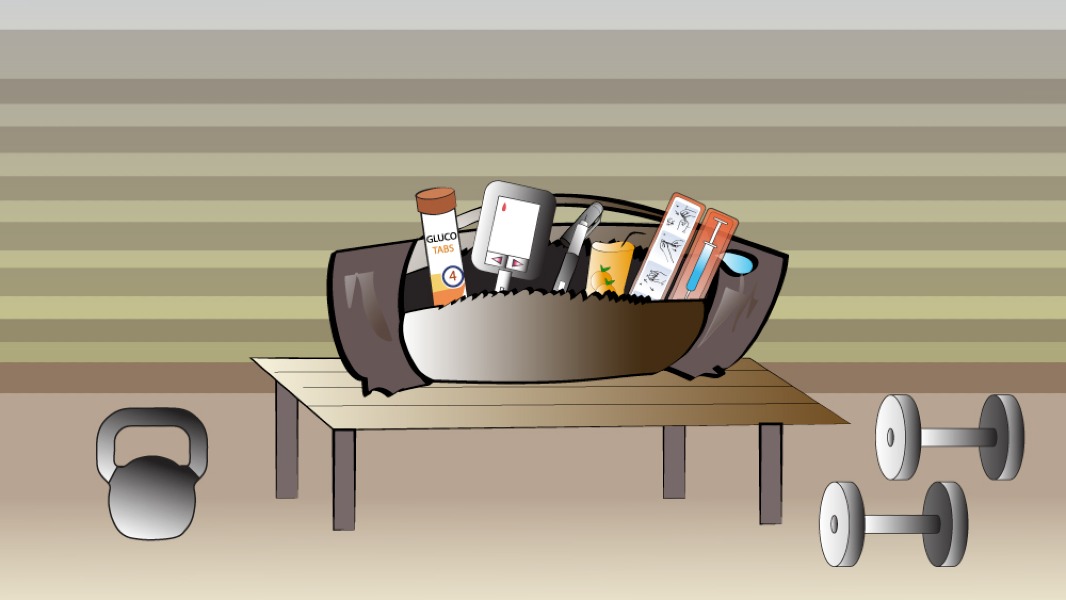
1-4 Diabetes Essentials: What to Always Carry
Be prepared for exercise, travel, and everyday activities with diabetes
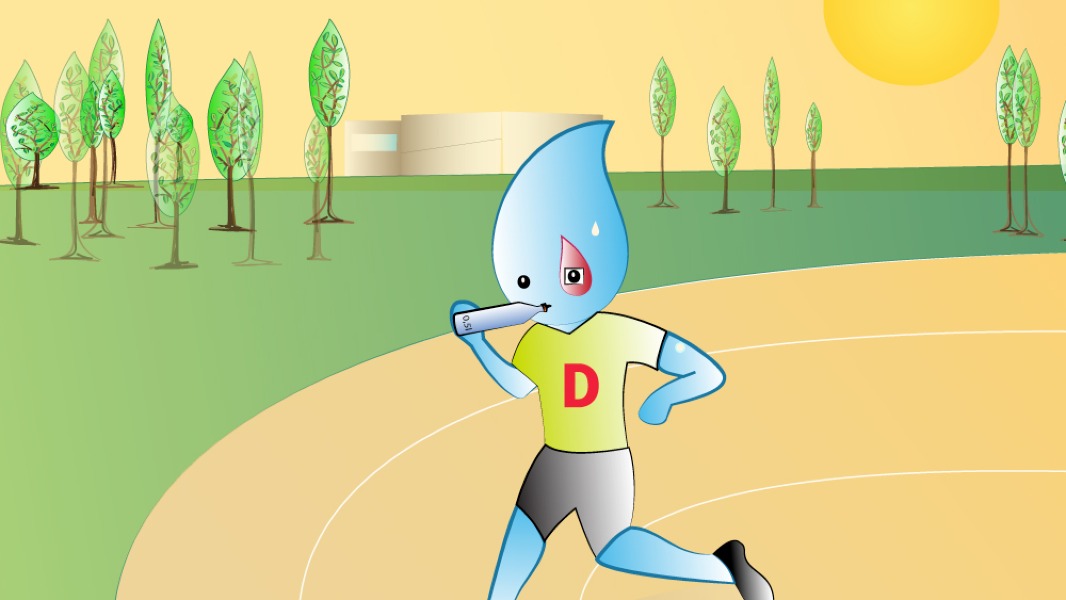
5-1-3 Staying Hydrated: Preventing Dehydration in Sports with Type 1 Diabetes
How proper hydration supports blood glucose control and athletic performance
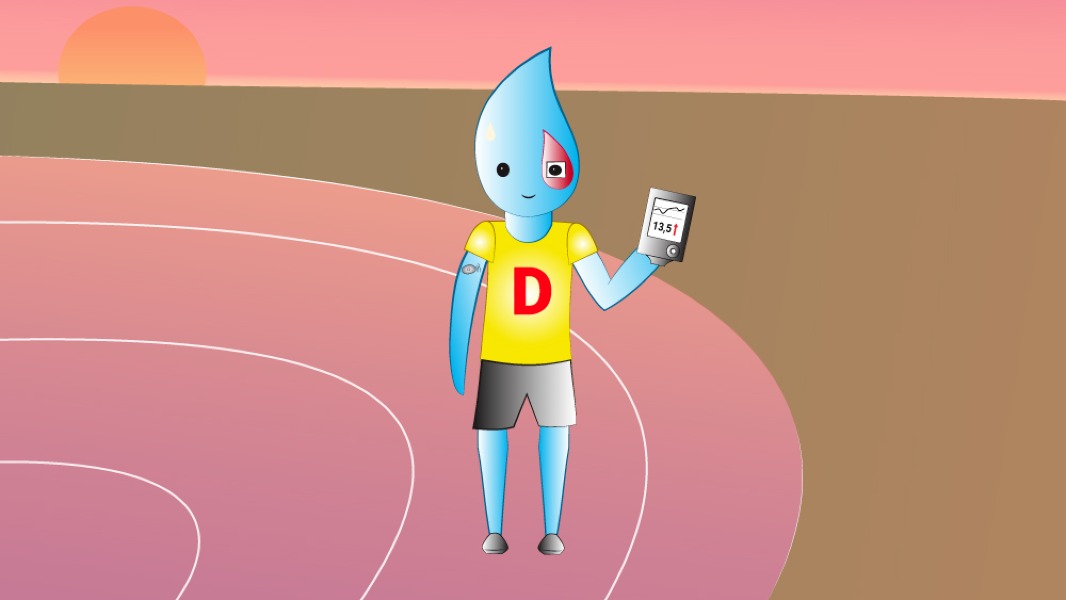
4-6-1 Reducing Hyperglycaemia During Exercise
Managing high blood glucose caused by stress hormones and insulin imbalance
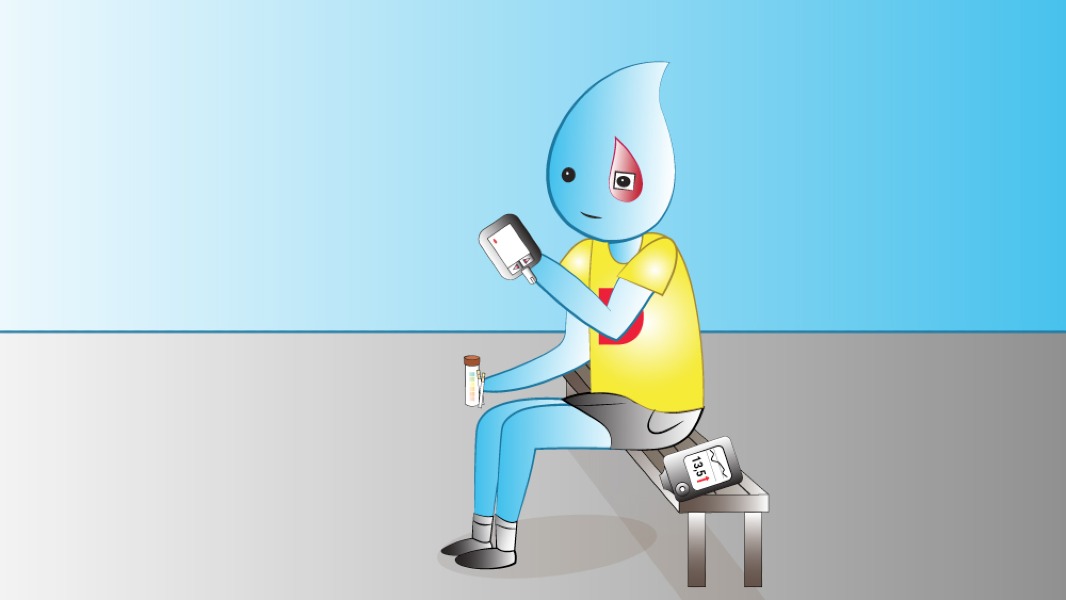
2-4-3 Diabetic Ketoacidosis
Recognising and managing high blood glucose and ketones
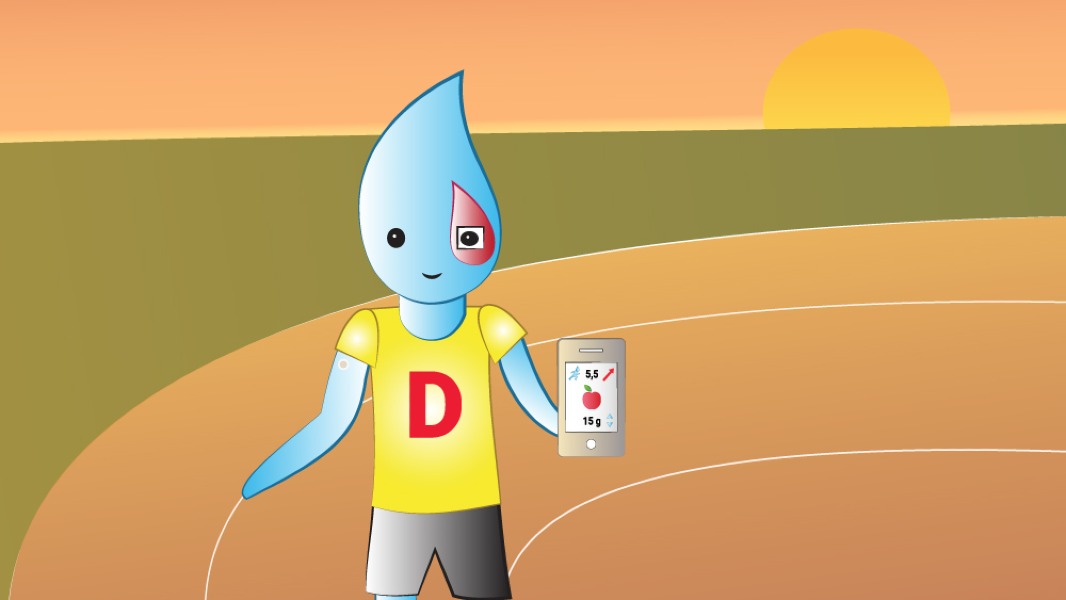
5-4-2 Beyond Insulin: How Hormones Shape Blood Glucose in Type 1 Diabetes
Understanding hormonal changes that affect glucose control during sport and daily life
