5-5-2 Exercise and the Honeymoon Phase in Type 1 Diabetes
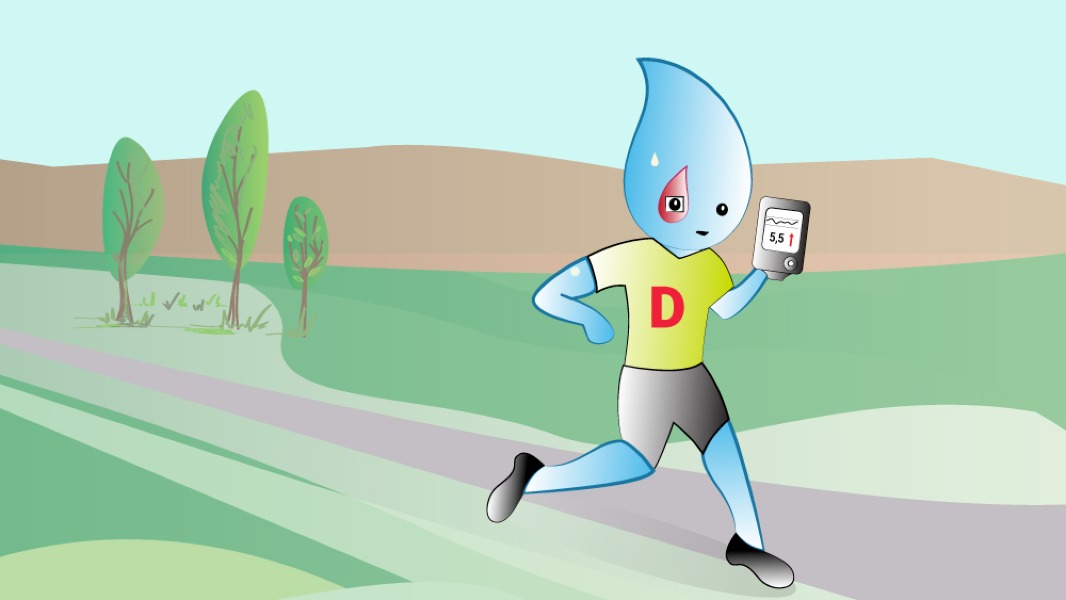
How to train and compete safely during remission and protect long-term glucose control
During the early “honeymoon” phase of type 1 diabetes, many newly diagnosed individuals require very small amounts of insulin, and some may temporarily manage without it. Regular and well-planned physical activity can support insulin sensitivity, reduce inflammation, and help preserve remaining beta-cell function. This guide explains how to train safely during remission and how to maintain stable glucose control while staying active.
Understanding the Honeymoon Phase
The honeymoon phase refers to a period shortly after diagnosis when the pancreas continues to produce small amounts of insulin. This phase may last from several months to a few years.
Complete remission (normal HbA1c without insulin) is rare. Partial remission—defined as HbA1c ≤ 7% with insulin requirements ≤ 0.5 U/kg/day—is more common, especially in adolescents and young adults.
Early insulin therapy reduces “glucotoxicity,” allowing stressed beta cells to recover temporarily. Reduced inflammation, improved insulin sensitivity, and stabilised immune activity contribute to this phase.
Regular physical activity supports these processes by improving glucose uptake, lowering insulin resistance, and reducing metabolic stress.
Why Physical Activity Matters During Remission
Exercise provides several important benefits during the honeymoon phase:
- Improves insulin sensitivity by 20–60% with structured training
- Supports immune regulation
- Helps prevent rapid post-diagnosis weight gain
- Reduces glucose variability
- Promotes long-term cardiovascular health
Consistent aerobic and resistance exercise helps prolong metabolic stability and reduces early progression to higher insulin needs.
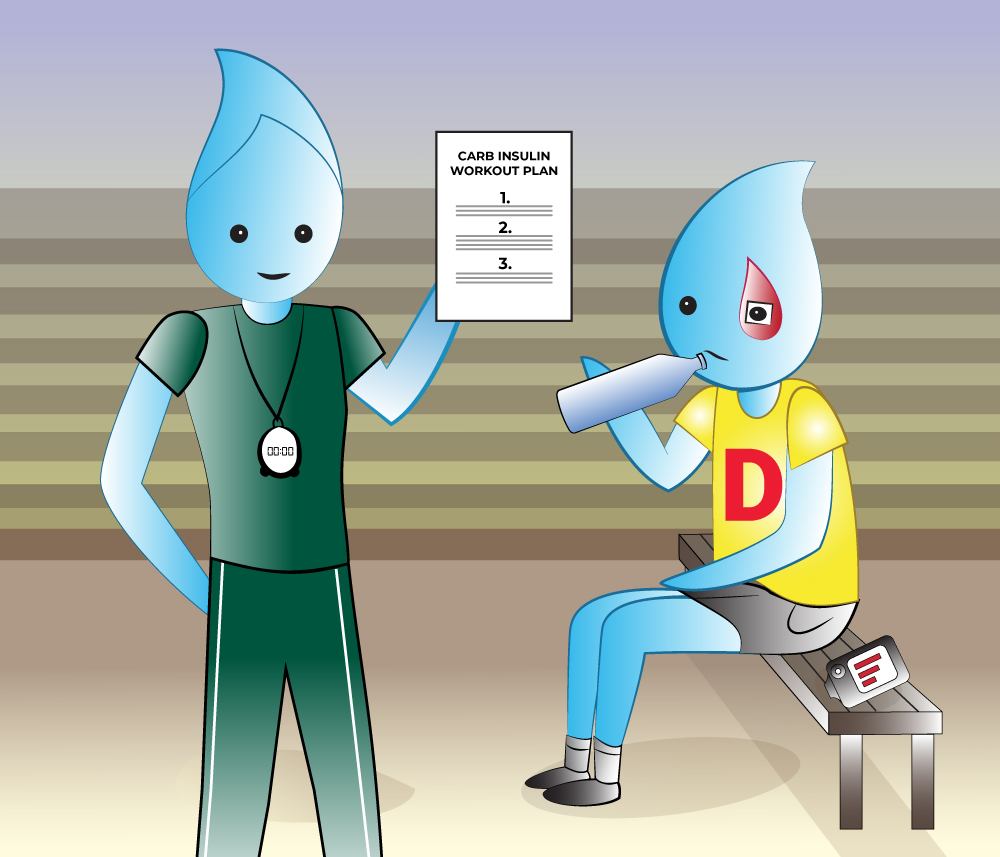
Training Safely During the Honeymoon Phase
Start Gradually
Begin with low- to moderate-intensity activities such as walking, cycling, or swimming three times per week. Gradually increase duration and intensity to reduce glucose fluctuations.
Combine Cardio and Strength Training
A balanced programme including aerobic and resistance exercise supports muscle mass, endurance, and glucose stability.
Monitor C-Peptide and CGM Trends
Falling C-peptide levels or rising insulin needs may indicate declining remission.
- Review CGM patterns regularly
- Discuss changes with your healthcare team
- Adjust training and insulin targets when needed
Match Carbohydrates to Activity
Use carbohydrate counting to fuel longer or more intense sessions. Avoid under-fuelling, which increases hypoglycaemia risk.
Treat Hypoglycaemia Correctly
During remission, natural glucagon responses are often preserved.
- Use 15 g of fast-acting carbohydrates
- Wait 15 minutes
- Recheck glucose
- Avoid overtreatment
Overtreatment may cause rebound hyperglycaemia.
Special Considerations
Frequent Hypoglycaemia
Repeated low blood sugar episodes may weaken counterregulatory responses. If hypoglycaemia becomes frequent, review training intensity and insulin dosing.
Medications and Weight Changes
Corticosteroids, rapid weight gain, or new medications may shorten remission. Inform your healthcare provider of any major changes.
Metformin and Insulin Sensitivity
Some studies suggest metformin combined with exercise may support insulin sensitivity in insulin-resistant youth. This should only be considered under medical supervision.
Future Technology
Dual-hormone and advanced hybrid closed-loop systems that deliver both insulin and glucagon may reduce post-exercise hypoglycaemia in active individuals as insulin needs increase.
Long-Term Planning
As remission gradually fades, insulin requirements usually increase. This is a normal progression.
Helpful strategies include:
- Maintaining daily physical activity
- Reviewing glucose targets every 3–6 months
- Sharing training plans with coaches
- Adjusting insulin as training load changes
- Considering genetic testing if remission lasts unusually long
Regular follow-up supports smooth transitions and continued performance.
Building Confidence During Remission
With consistent monitoring, balanced nutrition, structured training, and close medical support, people in the honeymoon phase can remain active and competitive.
Exercise during remission supports long-term metabolic health and prepares individuals for future diabetes management challenges.
Related Articles
2-3-2 Hypo Unawareness in Type 1 Diabetes
When low blood sugar happens without warning signs
3-6-1 How Diabetes Affects Energy, Endurance, and Recovery
Understanding fuel use, performance, and recovery in active people with diabetes
5-4-2 Beyond Insulin: How Hormones Shape Blood Glucose in Type 1 Diabetes
Understanding hormonal changes that affect glucose control during sport and daily life
4-6-2 Reducing Hypoglycaemia During Exercise
Practical insulin and fueling strategies to prevent low blood glucose in sport
1-1 Understanding diabetes basics: A Quick Guide for Active Living
Essential knowledge for safe and confident physical activity
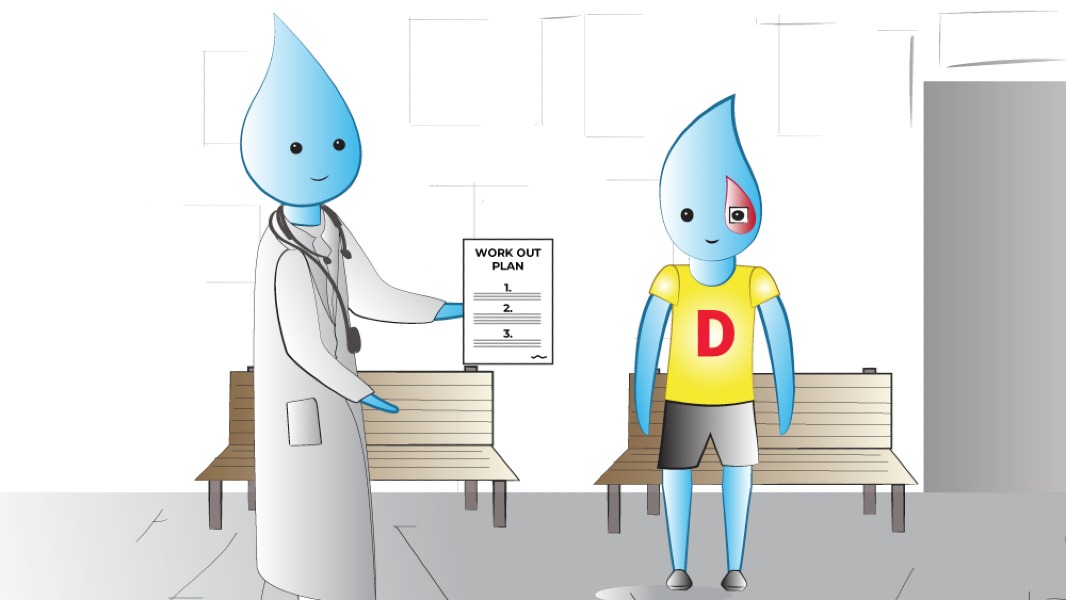
4-1-3 Starting or Returning to Sport with Diabetes: Talking to Your Healthcare Professional
How to prepare for a safe and personalised exercise plan
