6-1-4 Coping Strategies for People Living with Type 1 Diabetes
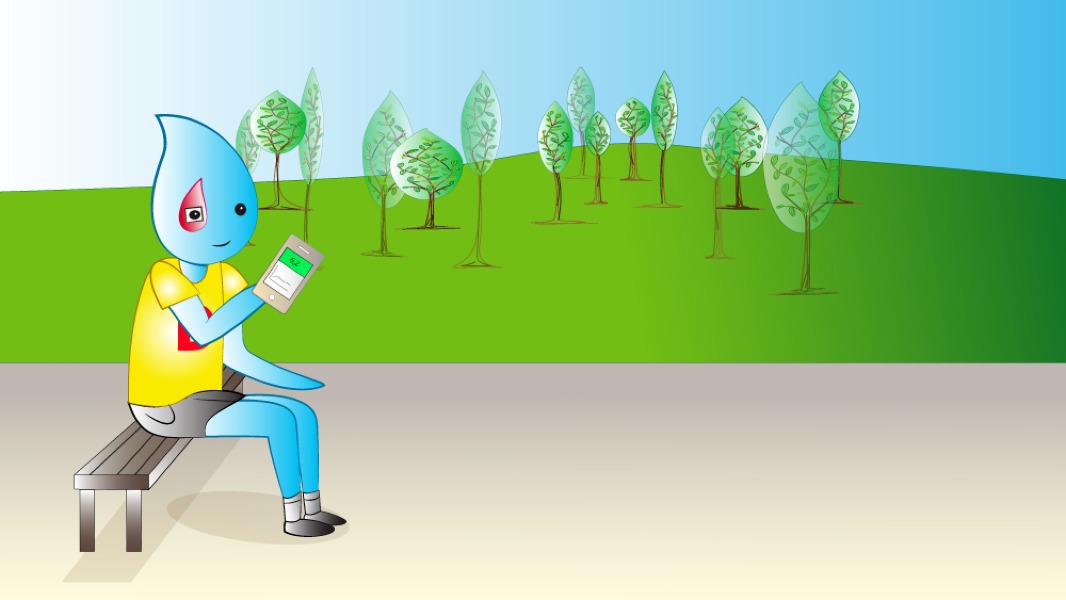
How to build confidence, emotional resilience, and a positive mindset after diagnosis
Living with type 1 diabetes can feel challenging, especially after diagnosis or during periods of change. Learning to manage blood glucose, insulin therapy, and daily routines takes time and emotional energy. With the right coping strategies and support, people with diabetes can build confidence, protect their mental wellbeing, and lead active and fulfilling lives. This article explores practical ways to manage both the emotional and physical aspects of diabetes.
Learning to Cope with Type 1 Diabetes
Being diagnosed with type 1 diabetes can feel overwhelming. Many people experience frustration, sadness, fear, or anger in the early stages. Learning to manage blood glucose, insulin injections, devices, and lifestyle changes may affect confidence and social life.
These feelings are normal and valid.
It is important to remember that diabetes does not define who you are. With time, education, and support, it becomes possible to regain a sense of control and live fully.
You are not alone, and help is always available.
Practical Emotional Coping Strategies
Talk to People You Trust
Share your thoughts and emotions with family members, close friends, or peer support groups. Open communication reduces emotional burden and strengthens relationships.
Educate Yourself About Diabetes
Understanding how diabetes works increases confidence and independence. Learning about glucose patterns, insulin action, and self-care empowers better decision-making.
Address Fear of Hypoglycaemia
Fear of low blood glucose is common and may lead to overcorrection or avoidance of activity.
Talk to your healthcare team about:
- Prevention strategies
- CGM alert settings
- Safe exercise planning
Building knowledge reduces anxiety.
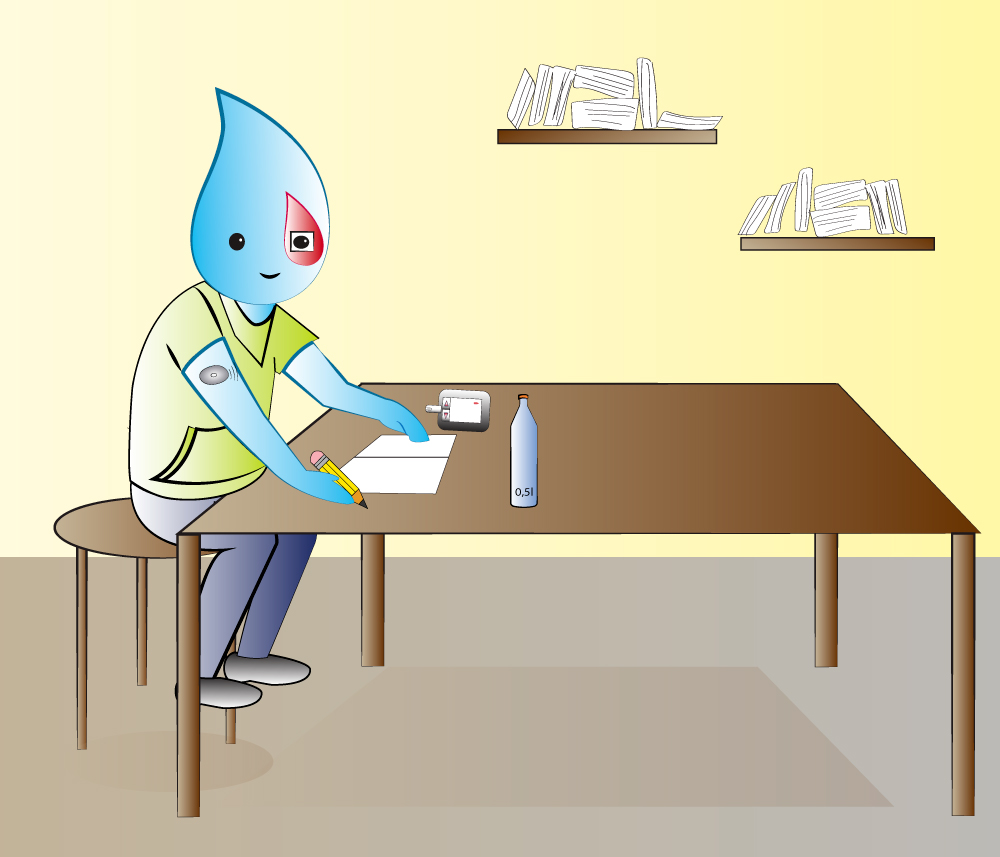
Building Self-Confidence and Healthy Habits
Focus on Positive Self-Image
Diabetes may affect body image and self-esteem. Remind yourself regularly of your strengths, achievements, and personal qualities.
Writing down positive thoughts can help counter self-doubt.
Speak Up About Eating Concerns
If you experience restrictive eating, binge eating, or guilt around food, seek professional support early.
Nutrition and mental wellbeing are equally important parts of diabetes care.
Stay Active and Do What You Love
Physical activity supports both glucose control and emotional health. Sports, dance, walking, and hobbies all contribute to wellbeing.
Diabetes should not stop you from pursuing your goals.
Accept Diabetes as Part of Your Life
Acceptance does not mean giving up. It means learning how to work with diabetes rather than fighting against it.
A positive and realistic attitude supports long-term resilience.
Be Yourself — No Need to Prove Anything
You are more than your diagnosis. Your interests, talents, friendships, and dreams matter.
You do not need to justify your condition or meet anyone’s expectations.
Find Joy in Everyday Life
Travel, socialise, learn new skills, and enjoy meaningful moments. Diabetes management is part of life, but it should never replace living.
Creating a Strong Support System
A reliable support network improves emotional health.
This may include:
- Family members
- Friends
- Coaches or teachers
- Healthcare professionals
- Peer mentors
Reaching out is a sign of strength, not weakness.
With self-compassion, education, and supportive relationships, people with type 1 diabetes can develop strong coping skills and emotional resilience.
Taking care of mental wellbeing is just as important as managing blood glucose
Related Articles
1-5 Inspirational Story: Diagnosed with Diabetes – and Still Moving Forward
A personal journey of resilience, rediscovery, and returning to sport with type 1 diabetes

6-4-3 How to Support a Friend
Being understanding, respectful, and supportive in everyday life
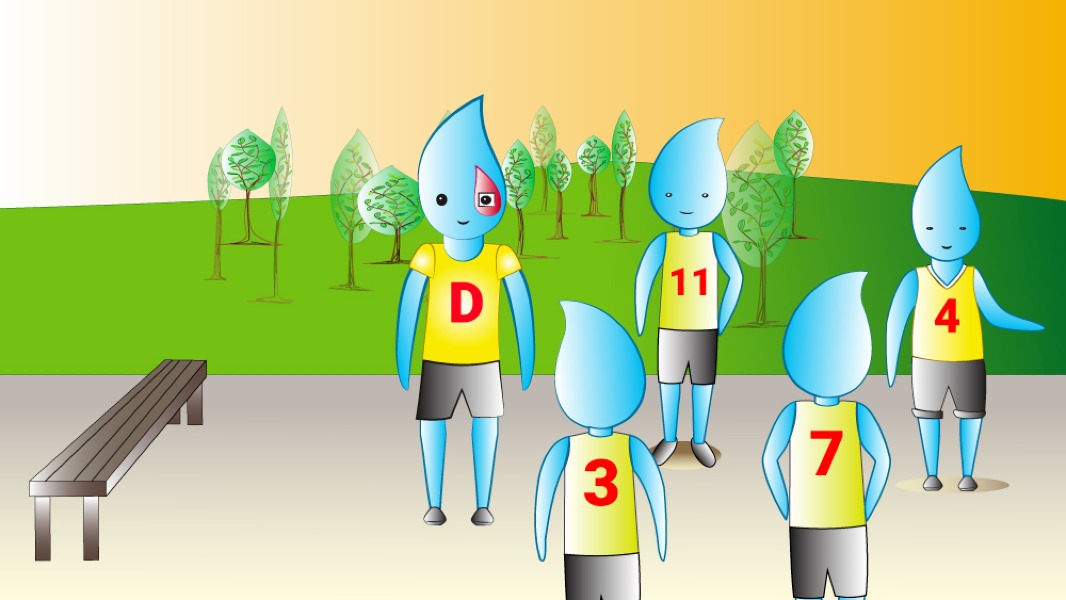
6-1-1 Talking to Teammates and Friends
How to communicate your needs with confidence and build supportive relationships
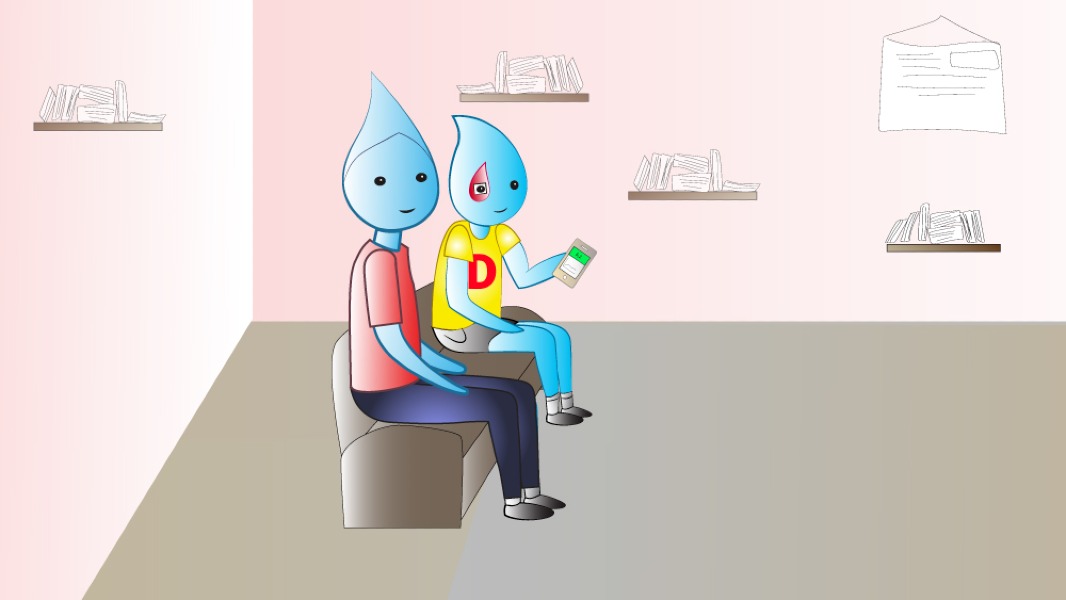
6-3-2 How to Talk to Your Child
Building trust, confidence, and emotional resilience through open communication
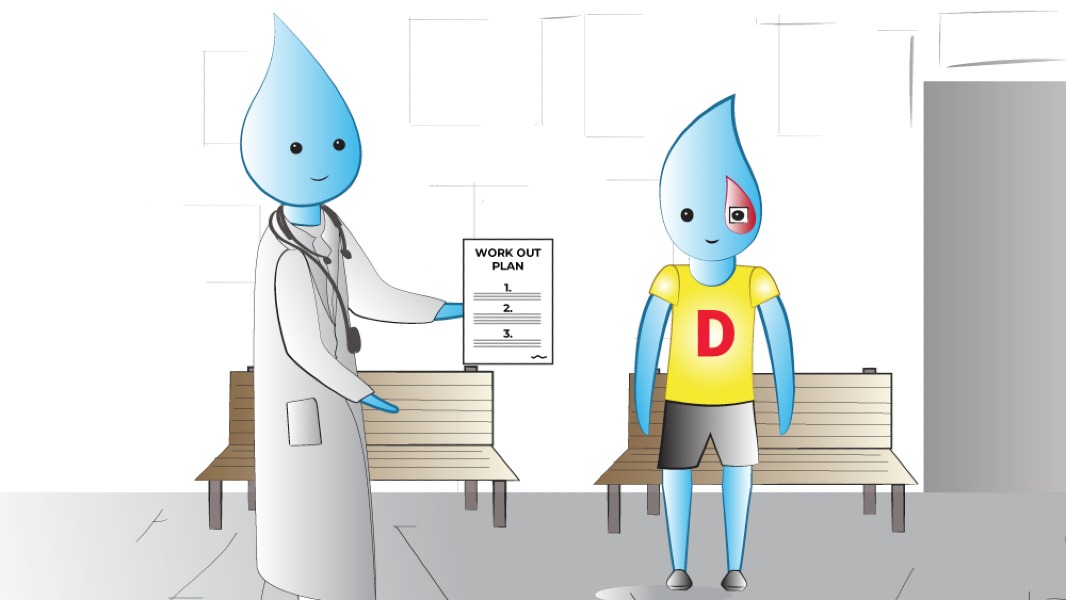
4-1-3 Starting or Returning to Sport with Diabetes: Talking to Your Healthcare Professional
How to prepare for a safe and personalised exercise plan
