1-5 Inspirational Story: Diagnosed with Diabetes – and Still Moving Forward
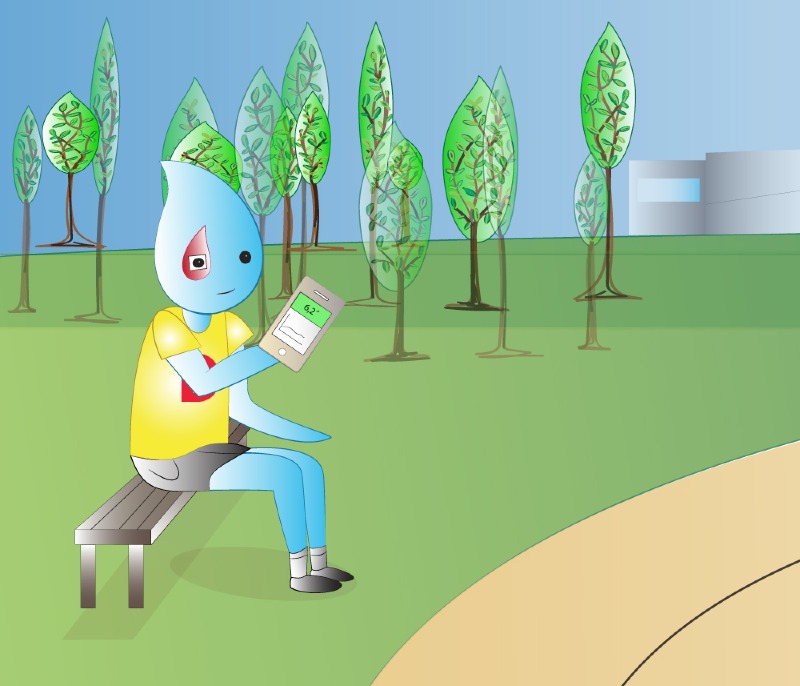
A personal journey of resilience, rediscovery, and returning to sport with type 1 diabetes
At age twelve, I was a rising track and field athlete – until a Type 1 diabetes diagnosis changed everything. My coach, unsure and uninformed, pulled me from competitive training. I stopped all sports for years. Only much later, through the online diabetes community, did I find my way back. This is a story about missed chances, regained courage – and why we need tools that support not just people living with T1D, but their coaches too.
I was twelve when I received the diagnosis: Type 1 diabetes. Back in 1996, that meant finger pricks, handwritten logs, and a lot of uncertainty. Especially for the people around me – like my coach.
At the time, I trained in a competitive track and field squad. I was ambitious, determined, and full of dreams. But when my coach found out about my diagnosis, he said: "I’ve got no experience with this. I don’t want to do anything wrong."
And just like that, I was out of the group. I was moved to recreational training. It was a crushing experience – not just physically, but emotionally. Bit by bit, I lost motivation. Eventually, I stopped training altogether. For years, I did no sport at all.
What I lacked wasn’t just medical tools – it was information, support, and someone to tell me: You can still do this.
Years later, thanks to the online diabetes community, I slowly began to believe again. I read stories of others who trained, competed, and thrived despite their diabetes. I realized: It’s possible.
If only there had been an app back then – something to show my coach how to support me. With clear, accessible info and lived experiences. Maybe I would have stayed on track. Literally.
That’s why person-centered projects matter. When tools are developed not just for, but with us, they change lives. They give us back power, confidence, and possibilities.
So, here’s what I want to say: Don’t give up. Talk to your coaches. Share the knowledge that exists today. Use the tools. Find your community. And most of all: believe in yourself. It’s worth it. Truly.
Related Articles
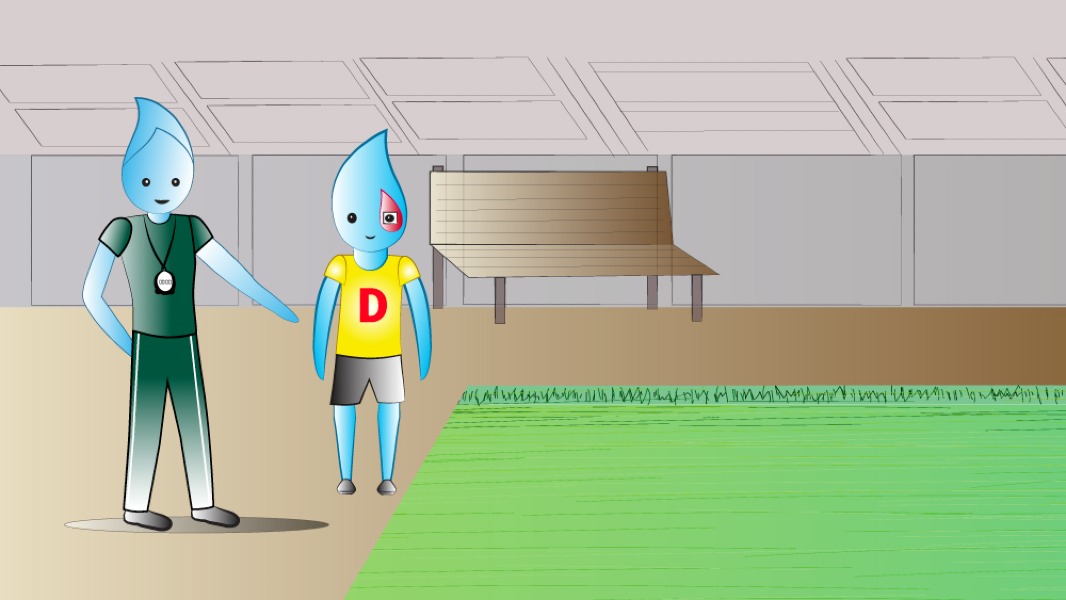
6-1-3 Talking to Coaches
How to communicate your needs and stay safe while training and competing
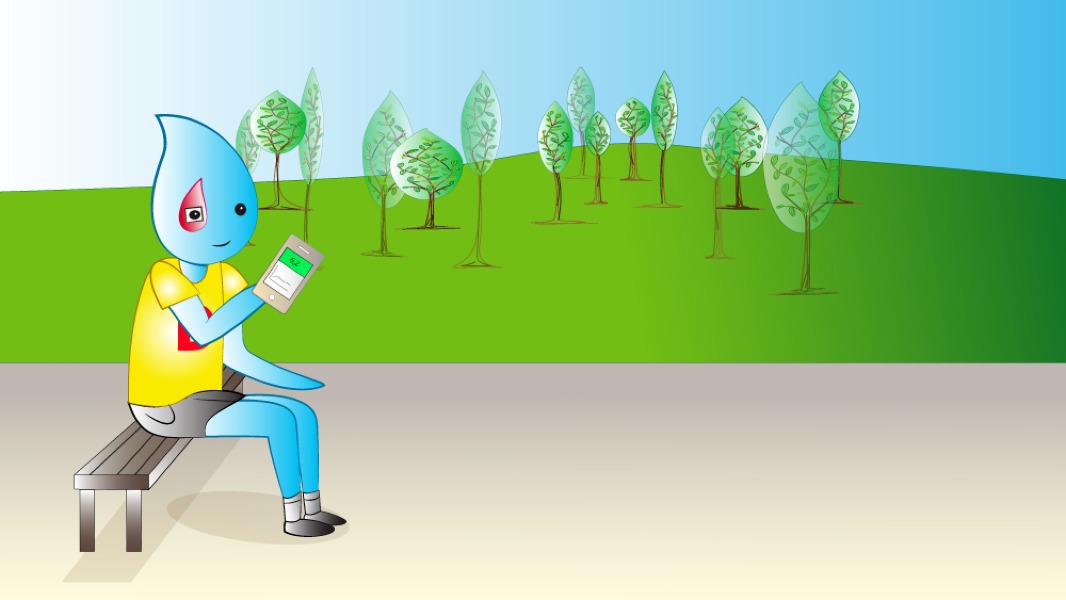
6-1-4 Coping Strategies for People Living with Type 1 Diabetes
How to build confidence, emotional resilience, and a positive mindset after diagnosis
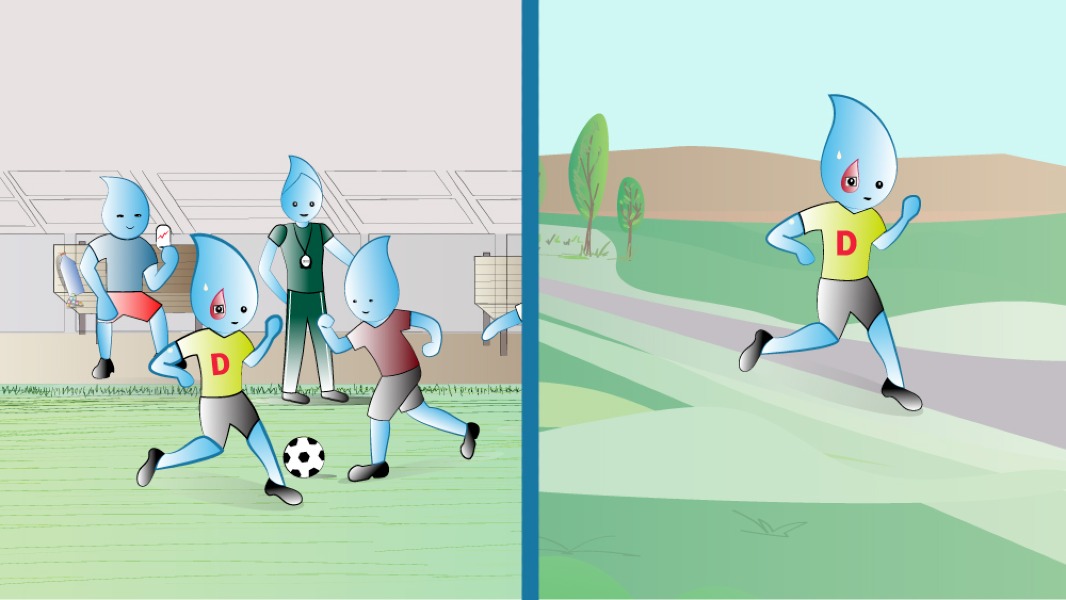
3-5-4 Individual and Team Sports with Diabetes
How to choose the right activity for your health, confidence, and glucose control
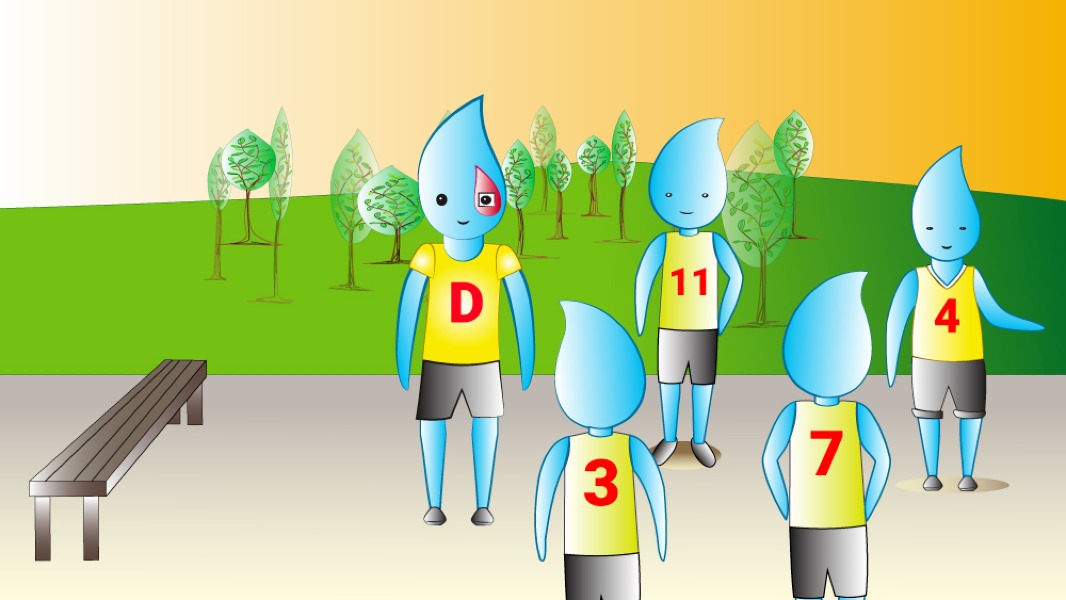
6-1-1 Talking to Teammates and Friends
How to communicate your needs with confidence and build supportive relationships
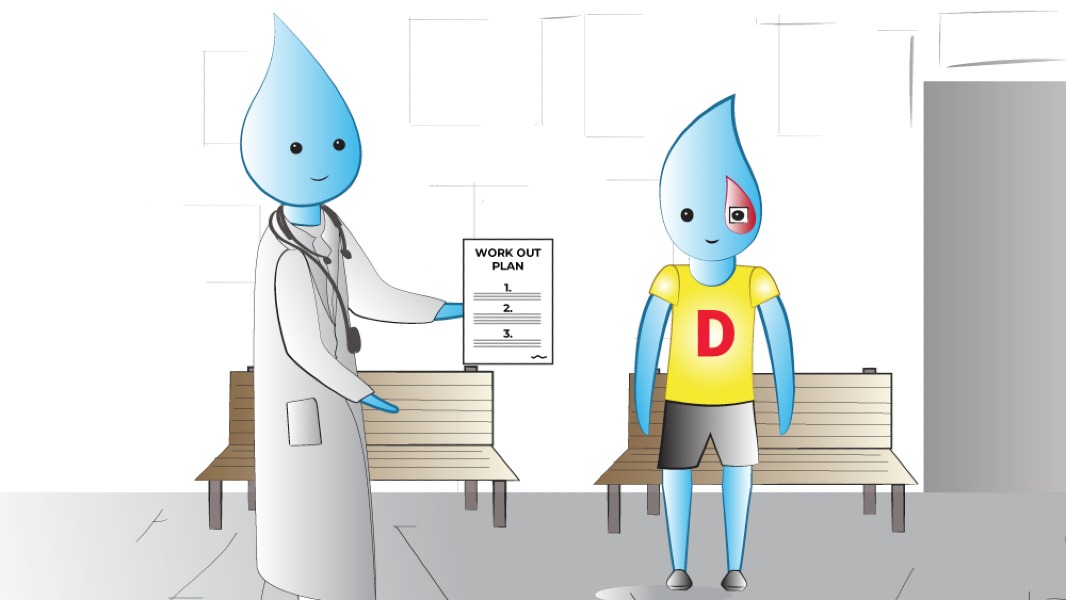
4-1-3 Starting or Returning to Sport with Diabetes: Talking to Your Healthcare Professional
How to prepare for a safe and personalised exercise plan
