2-1 What is Diabetes and How to Manage it?
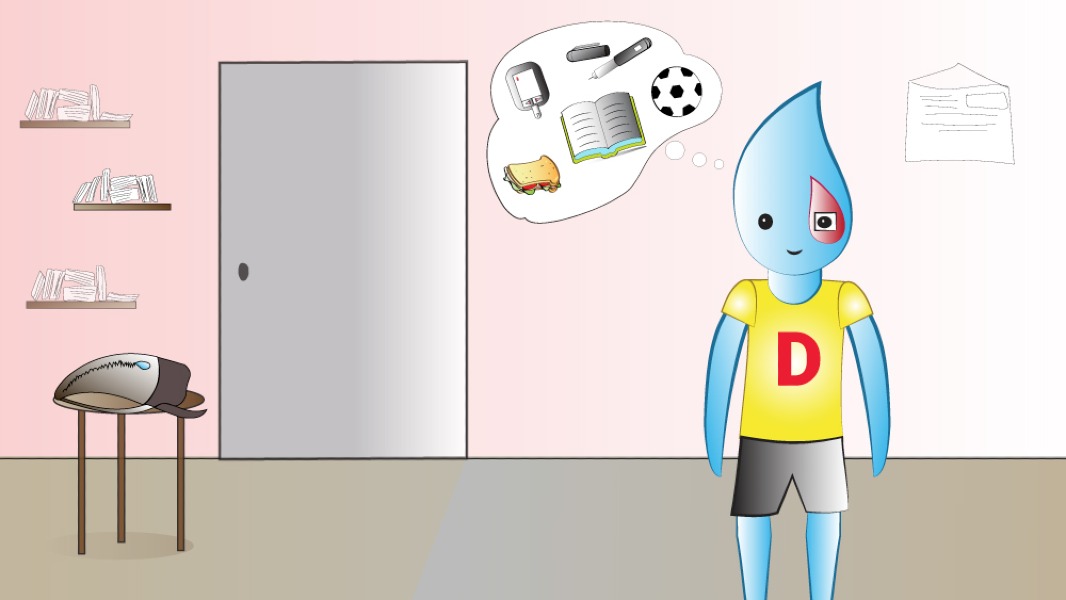
Understanding diabetes, treatment, and active living
Diabetes is a complex condition, but with the right management, people with diabetes can lead active lives and participate in sports. This article explores the facts about diabetes, how it's treated, and how individuals, especially children, can stay active and healthy while managing their condition effectively.
What is Diabetes?
People with diabetes have too much glucose (sugar) in their blood. There are 14 different types of diabetes, but the most common ones are Type 1 diabetes (T1D) and Type 2 diabetes (T2D). T1D is an autoimmune condition that usually develops in children and adolescents, though it can occur later in life. It cannot be prevented.
Around 90% of people with diabetes have T2D, which develops due to a mix of genetic and lifestyle factors such as diet, physical inactivity, and obesity. It primarily affects middle-aged and older adults, but cases in younger individuals are rising.
How is Diabetes Treated?
People with T1D need to take insulin daily because their pancreas does not produce it. Insulin helps regulate blood sugar levels and keeps the body functioning properly. The amount of insulin needed depends on several factors, including food intake, physical activity, and other health conditions.
For T2D, management often includes lifestyle changes, oral medications, and sometimes insulin to keep blood glucose within a healthy range.
Managing Diabetes During Sport
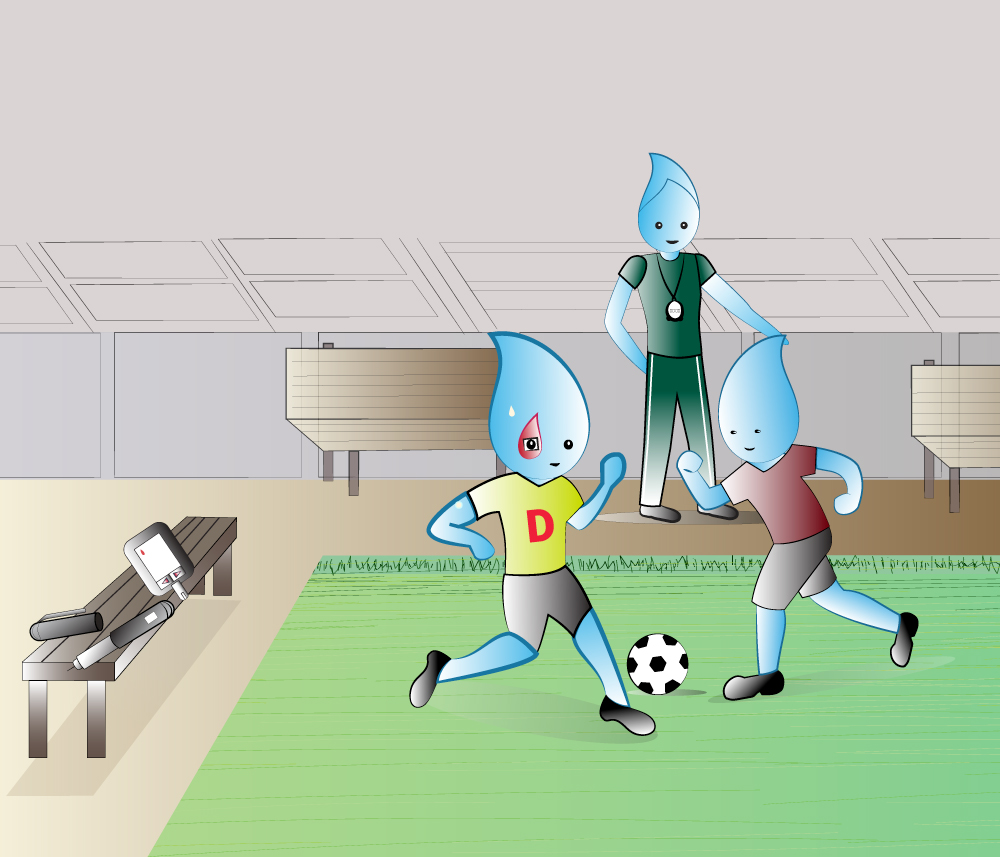
Every person responds differently to exercise, and blood glucose levels can change based on several factors, such as the type of exercise, timing, intensity, and duration. Aerobic exercises, such as running, usually lower blood sugar, while anaerobic activities, like weightlifting, may cause it to rise.
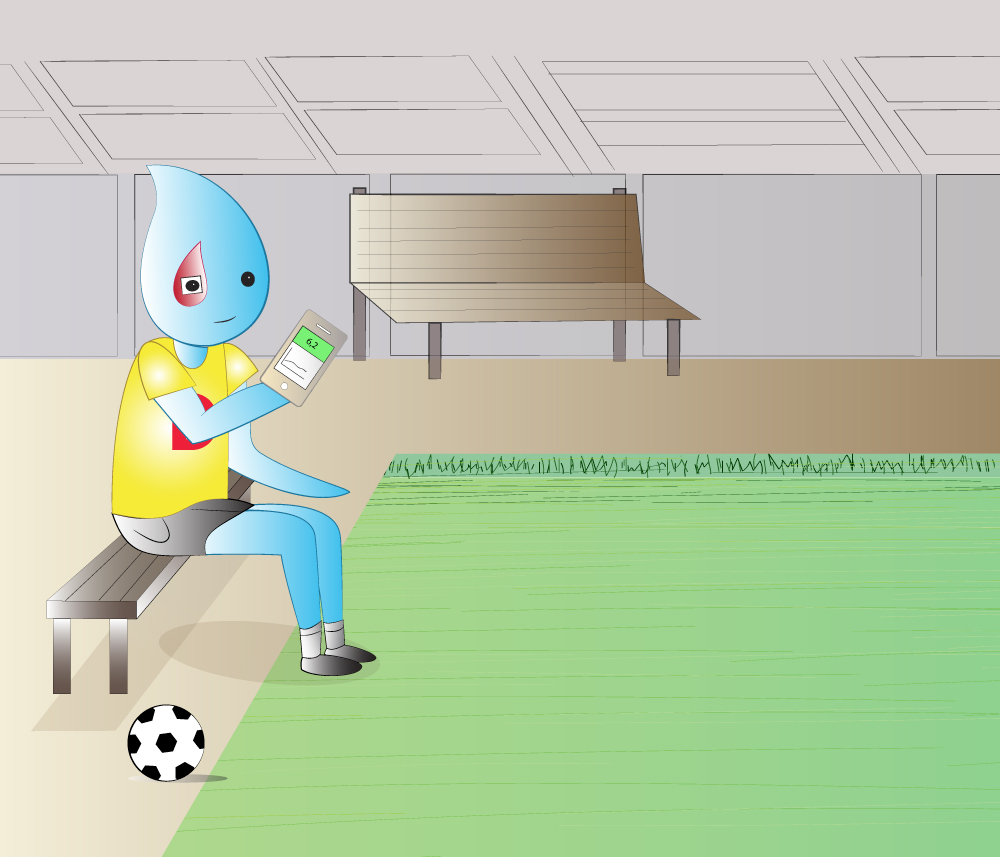
To stay safe, it's important to monitor blood sugar levels before, during, and after exercise. Learning how their body reacts to physical activity helps children find the right balance of insulin and carbohydrates.
Hypoglycemia and Hyperglycemia Risks
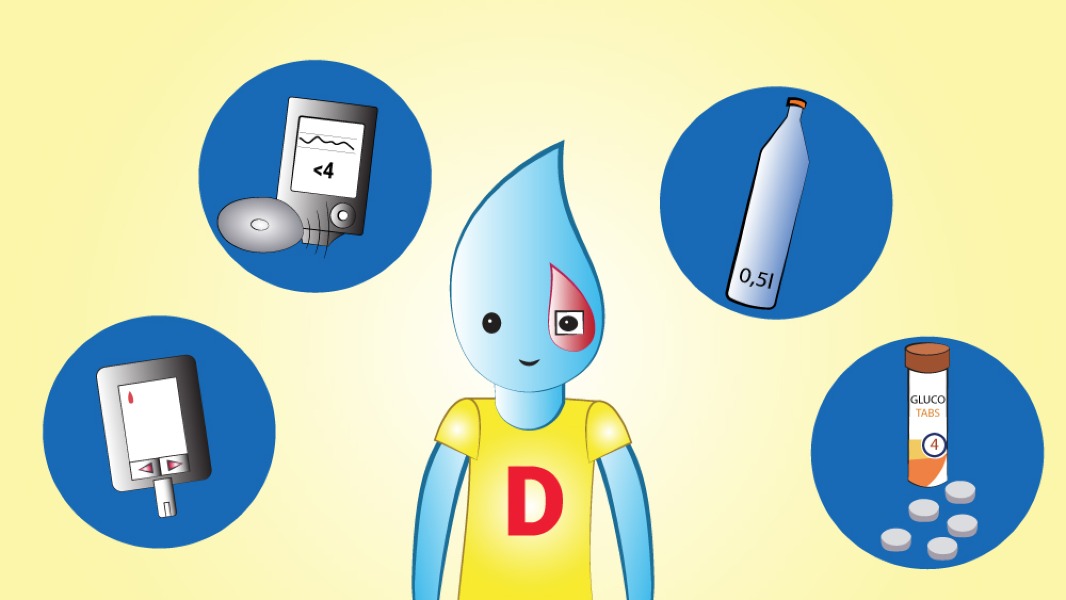
One of the most common concerns for individuals with T1D during sports is hypoglycemia (low blood sugar). Symptoms can include shakiness, sweating, and dizziness. To prevent this, children should carry fast-acting carbs, such as glucose tablets or juice.
Hyperglycemia (high blood sugar) can also occur if insulin levels are not properly adjusted. Understanding how different sports affect blood sugar and staying in regular communication with a healthcare provider can help avoid these issues.
Related Articles
1-1 Understanding diabetes basics: A Quick Guide for Active Living
Essential knowledge for safe and confident physical activity
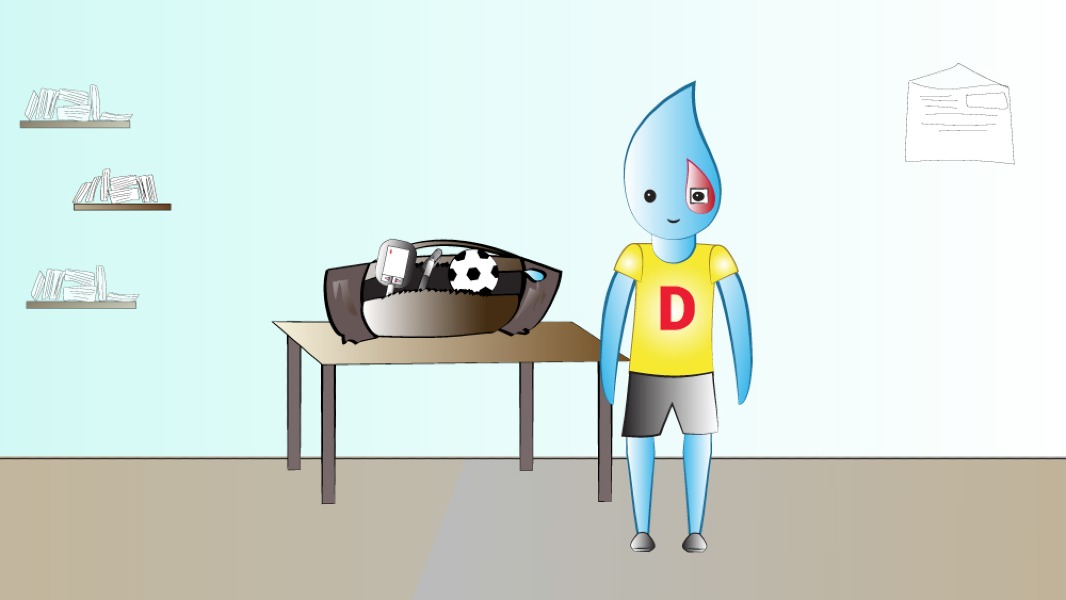
2-2 Busting Myths About Diabetes and Sports
Separating facts from fiction for active living with diabetes
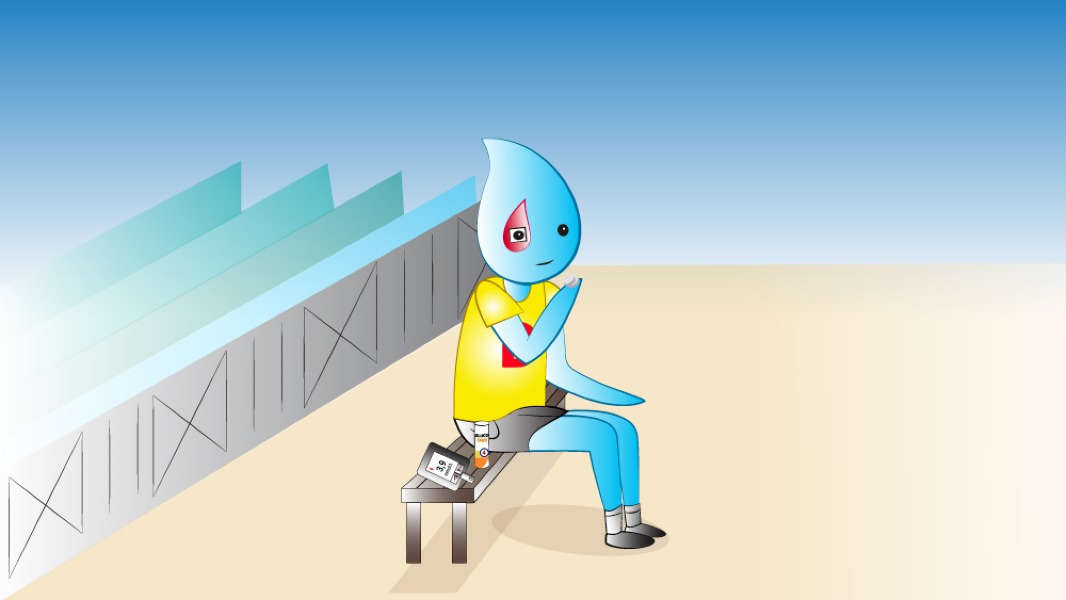
2-3-1 What is Hypo and How to Manage It?
Recognising low blood sugar and staying safe during physical activity
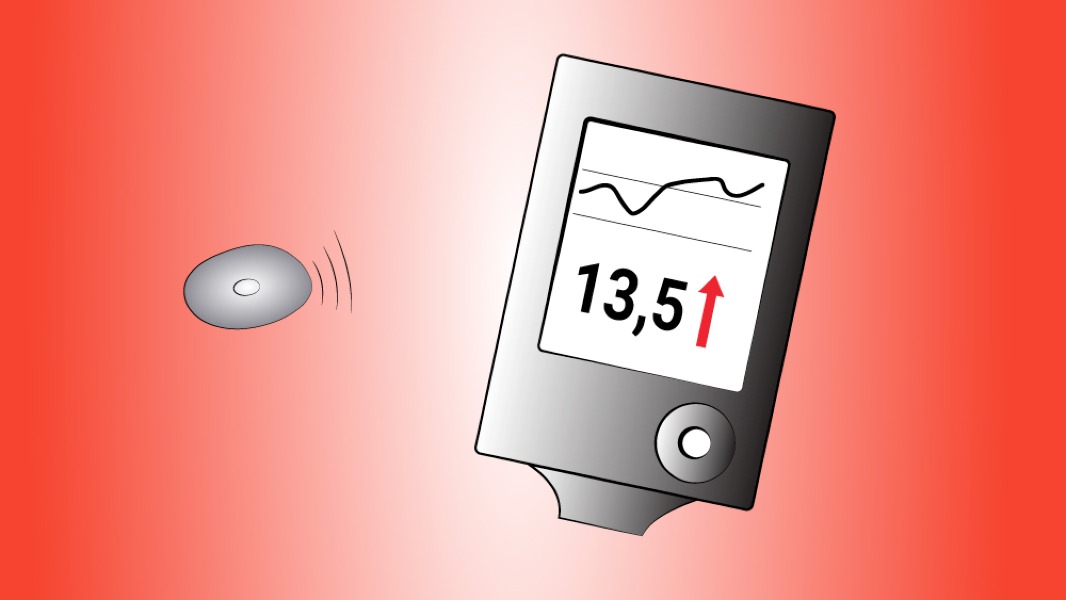
2-4-1 What is Hyper and How to Manage It?
Understanding high blood sugar and staying safe during physical activity
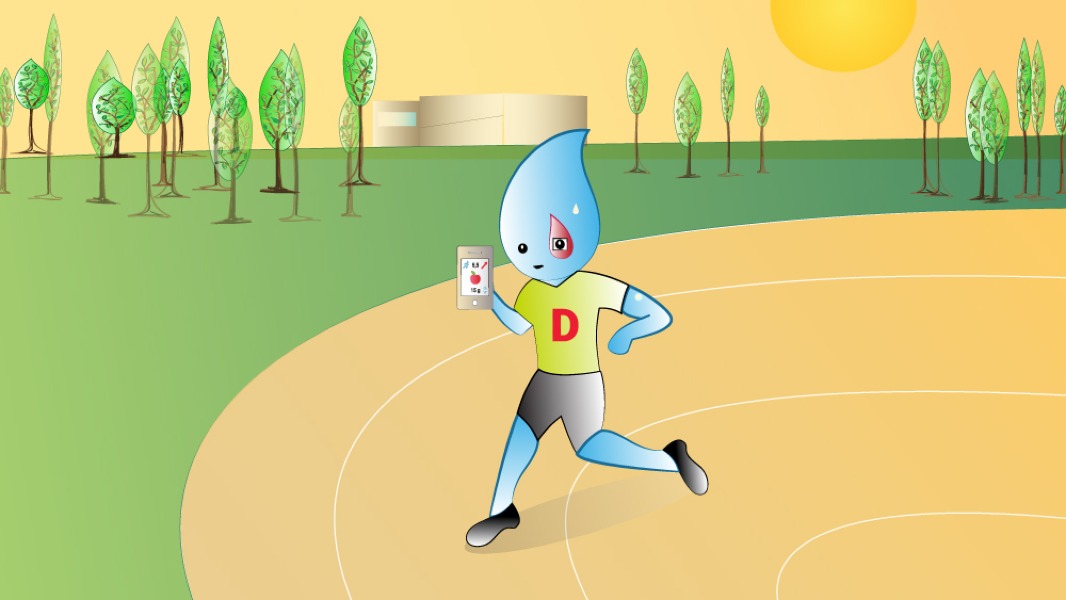
2-5 Diabetes Technology in Sports: Gear That Keeps Your Glucose GameReady
How modern diabetes devices help athletes stay safe, focused, and confident
